Loyalty Gamification: 3 Examples To Learn From
Which loyalty software supports real-time rewards or gamification? Three types of solutions handle this: event-based, API-first loyalty engines that can trigger a reward the instant a qualifying action happens (like White Label Loyalty's Loyalty Engine); gamification-native point solutions built around one mechanic, such as badges or leaderboards; and generic points platforms with gamification features bolted on afterward.
The difference that matters for "real-time" is whether rewards fire on an event as it happens, or on a batch process that runs later: see our comparison of loyalty APIs for developers for how that plays out across platforms.
Gamification is one of the most effective ways to increase engagement in a loyalty program. The global gamification market was valued at $36.86 billion in 2025 and is projected to reach $308.85 billion by 2034, according to Fortune Business Insights, a sign of just how widely businesses are adopting it, not just in loyalty but across training, sales and customer engagement.
Below, we break down what gamification actually is, three well-known examples to learn from, how real-time rewards work under the hood, and which mechanics to consider for your own program.
What is the idea of gamification?
Gamification refers to the incorporation of game elements and mechanics into non-game settings such as websites, online communities, learning management systems, or business intranets. The primary objective is to enhance user participation and engagement.
By leveraging game-inspired elements like challenges, rewards, and interactive features, gamification encourages consumers, employees and partners to collaborate, share knowledge and interact actively, fostering motivation and enjoyment that drives engagement and business outcomes.
Three loyalty gamification examples
These three brands show loyalty program gamification working in three very different ways, turning a routine purchase, a daily run, and a language lesson into something people come back for.
Nectar: scratch and win
Nectar, the largest UK loyalty card scheme, uses its mobile app to generate higher engagement through a "Scratch and Win" mechanic: on top of collecting points for every purchase at a partner venue, users are occasionally prompted with a virtual scratchcard offering a chance to win bonus points.
The mechanic replicates the small thrill of a scratch card while adding tangible value, creating a psychological relationship between the user and the brand that supports higher retention.

Want to see other ways to reward loyal customers?
Strava: competitions and leadership boards
Strava, the social network and fitness tracking app for runners and cyclists, has grown significantly in the past year. This is not surprising considering it does a great job engaging its users, connecting them together and encouraging repeat use.
More importantly, gamification has helped to create the success of this venture. Not only does Strava create a sort of social media for fitness aficionados, it also encourages competition among its users. Runners and cyclists can earn badges and score on leadership boards based on local common circuits. Such competitive nature of the app feature sits well with the target audience and prompts users to beat their as well as others’ score. This increases use frequency and helps to grow the user base.
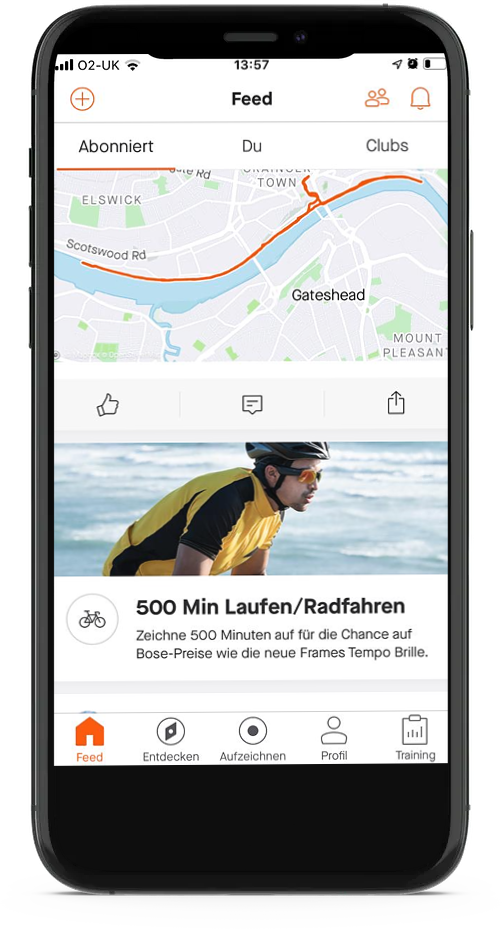
To make things even more interesting, Strava also hosts ad hoc special challenges and competitions, such as the below in which users enter for a chance to win if they run or cycle for 500 mins in total. The reward system remains the same - users get better value rewards for being an active member. The benefit of promoting frequency of use lies within product competitiveness. Making a member use the app or the program often enough will create a barrier for switching to an alternative brand.

Personalise your loyalty program & boost customer engagement!
Duolingo: points, lives and rewards
Duolingo, the mobile language learning app, took gamification to the next level. For Duolingo, gamification lies at the heart of their product offering. The app uses lives, rewards, collectables, points and much more. Importantly however, they use them in a clever, business-savvy way.
As Duolingo works on a freemium business model, they designed all their gamification elements in a way to encourage users to upgrade. For instance, a free user only gets 5 hearts (lives) each day. This limits the language learner’s ability to use the app unrestrictedly when they make mistakes (and lose lives). On the other hand, users are encouraged to upgrade to a paid Duolingo Plus version, in which there is no such restriction in place.
This is a brilliant example of how to use loyalty gamification to drive specific actions and reach for a specific business goal. When designing your gamified loyalty program, remember what you are trying to achieve and make sure that the mechanics work in your favour.


Comparing the three examples
| Brand | Mechanic | Business goal | Best for |
|---|---|---|---|
| Nectar | Scratch-and-win bonus points | Increase engagement per transaction | Retail/loyalty programs with frequent, small transactions |
| Strava | Badges, leaderboards, challenges | Increase usage frequency and switching cost | Community-driven, activity-tracking programs |
| Duolingo | Lives, streaks, collectables | Convert free users to paid | Freemium products where gamification drives upgrade decisions |
Which loyalty software supports real-time rewards or gamification?
Not every loyalty platform handles gamification the same way, and the difference often comes down to whether rewards are event-driven or processed later.
| Solution type | Example | Real-time capability | Best for |
|---|---|---|---|
| Event-based, API-first loyalty engines | White Label Loyalty | Rewards trigger instantly when a qualifying event occurs (a purchase, a check-in, a milestone) | Businesses that want custom gamification mechanics (badges, tiers, challenges) built on their own event data |
| Gamification-native point solutions | Purpose-built badge/leaderboard tools | Often real-time within their own mechanic, but limited outside it | Businesses that want one specific mechanic (e.g. leaderboards) without building a full loyalty program |
| Generic points platforms with gamification bolted on | Traditional points-and-tiers software | Frequently batch-processed rather than event-triggered | Simpler programs where instant feedback isn't a priority |
A real client example: Biscuit Rewards, built on White Label Loyalty's API, gamifies dog walking to encourage healthier pet-owner habits. Within nine months of launch, the app reached over 50,000 users, logged more than 950,000 miles walked, and holds a 4.6-star App Store rating, a real-world result of pairing an event-based engine with a gamified mechanic.

How real-time rewards actually work
"Real-time" means a reward fires the moment a qualifying action happens, not hours or days later in a batch job. In practice, this requires the loyalty platform to treat every customer interaction — a purchase, a check-in, hitting a mileage milestone, as an event it can react to instantly.
That's what powers mechanics like Nectar's scratch card appearing right after a purchase, or a badge unlocking the second a runner crosses a distance threshold in Strava. White Label Loyalty's Loyalty Engine is built on this event-based model specifically so gamification mechanics can respond instantly rather than on a delay.
Gamification mechanics compared
As the three examples show, there are several different ways to introduce gamification into a loyalty program.
| Mechanic | What it does | Best for |
|---|---|---|
| In-app currency | Replaces generic points with a brand-specific currency | Programs wanting more ways to earn and spend than simple points |
| Badges | Awards honorific recognition for milestones or activities | Programs where a sense of accomplishment drives repeat engagement |
| Competitions | Time-bound challenges tied to the program | Testing gamification before a full rollout |
| Leagues and scoreboards | Users compete against each other | Programs wanting a community feel |
| Personal best | Users compete against their own past performance | Programs where individual progress matters more than competition with others |
Not sure which one is right for you? With White Label Loyalty's event-based loyalty engine, any of these mechanics can be built on real-time event data. Get in touch with our loyalty specialists to talk it through.
Learn from best practices on how to use game mechanics to boost customer engagement here.
Not sure which one is for you? Don’t worry. With White Label Loyalty’s event-based loyalty engine, you can unlock any type of gamification. Get in touch with our loyalty specialists, who will be able to assist you.
Gamifications are a great way to enhance your existing loyalty program. Don’t have a loyalty scheme yet but keen to get started? Read our Loyalty Programs 101 Guide filled with all the information you need.
Recommended Posts
If you enjoyed this article, check out these relevant posts below.
Share this Article
Kristyna Efferoth
Marketing Manager
Kristyna is our Marketing Manager. She helps White Label Loyalty reach the right businesses in need of a loyalty program and helps our clients' programs reach their full potential. She loves sharing her varied experience in marketing and loyalty by writing helpful resources on the blog from time to time for all loyalty novices and aficionados alike.