Best Loyalty Programs of 2026: Ranked by Results
The best-performing loyalty programs of 2026, measured by disclosed results rather than opinion, are: Ulta Beauty Rewards (more than 95% of total sales come from members), Marriott Bonvoy (75% of US and Canada room nights, 295 million members), and ARDEX/BAL's GivBax Rewards (a 73% engagement rate and 8.8% of UK sales running through the program).
Most widely cited "best loyalty program" lists publish no performance data at all.
Starbucks, Sephora and Nike get named year after year on the strength of brand recognition and a description of how the points work. Whether the programs actually perform, whether they move revenue, change purchase frequency, or retain anyone, goes unmentioned. It's a ranking of familiarity, not effectiveness.
So we built this list on a single rule: a program only qualifies if its operator has published a verifiable performance figure. Member counts, share of sales, engagement rates, repeat purchase rates. If there's no number, it's not here, however famous the brand.
The result is a much shorter, much more useful list.
How we selected these programs
Every program below meets three criteria:
- A published performance metric, sourced to an earnings call, regulatory filing, company press release or documented case study.
- The figure is current: 2025 or 2026 reporting, not a statistic that has been recycled through blog posts since 2019.
- The metric measures outcomes, not activity: share of revenue, engagement rate, repeat purchase rate and active membership count in, vague claims about "increased loyalty" out.
We've noted the source and date for every figure so you can check it.
The 9 best-performing loyalty programs of 2026
| Rank | Program | Sector | Headline published result |
|---|---|---|---|
| 1 | Ulta Beauty Rewards | Beauty retail | 95%+ of total sales from members |
| 2 | Marriott Bonvoy | Hotels | 75% of US/Canada room nights; 295M members |
| 3 | GivBax Rewards (ARDEX/BAL) | B2B manufacturing | 73% engagement; 8.8% of UK sales |
| 4 | Chipotle Rewards | QSR | ~90% of digital transactions linked to rewards |
| 5 | MyMcDonald's Rewards | QSR | $40bn loyalty systemwide sales; 220M active users |
| 6 | Starbucks Rewards | Coffee | 35.8M 90-day active US members |
| 7 | Ravensburger loyalty program | Toys and games | 58% engagement; 20% repeat purchase rate |
| 8 | Hilton Honors | Hotels | 260M members, up 15% year on year |
| 9 | Wesleyan Rewards | Financial services | 68% redemption rate; 96% satisfaction |
1. Ulta Beauty Rewards: the highest sales penetration of any major program
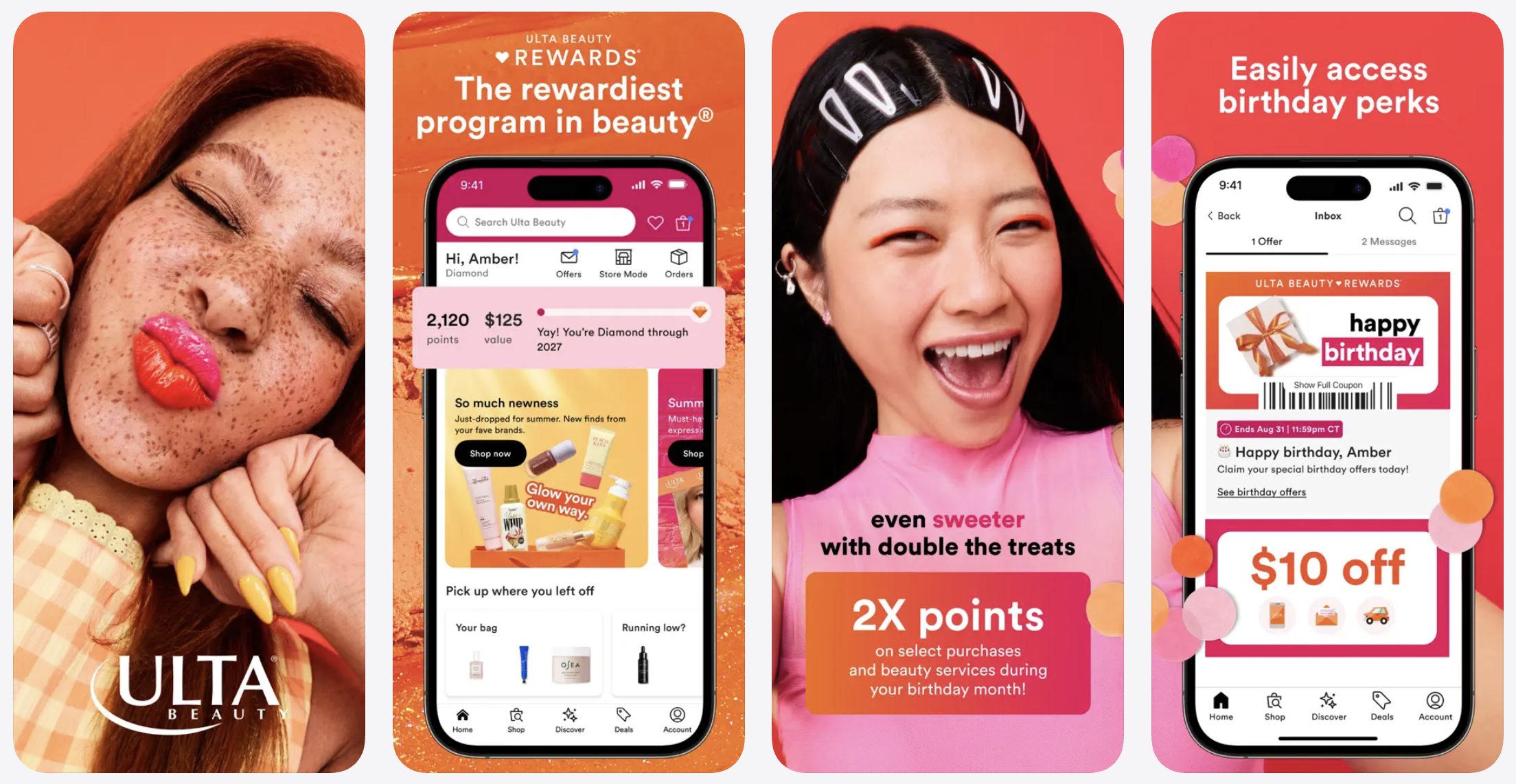
The result: More than 95% of Ulta's total net sales come from loyalty members, across a base of more than 46 million.
Source: Ulta Beauty SEC filings and Q1 FY2026 earnings call, June 2026.
No other retailer of Ulta's size reports anything close. The number matters because it changes what the program is: at 95% penetration, Ulta isn't running a loyalty scheme alongside its business, it's running its business through the loyalty scheme. Every transaction is identified, every basket is attributable, and personalisation runs on near-complete first-party data.
The lesson: sales penetration is the metric that actually matters, and almost nobody reports it. If you don't know what share of your revenue is identified, you don't know how good your program is.
2. Marriott Bonvoy: scale with proven channel control
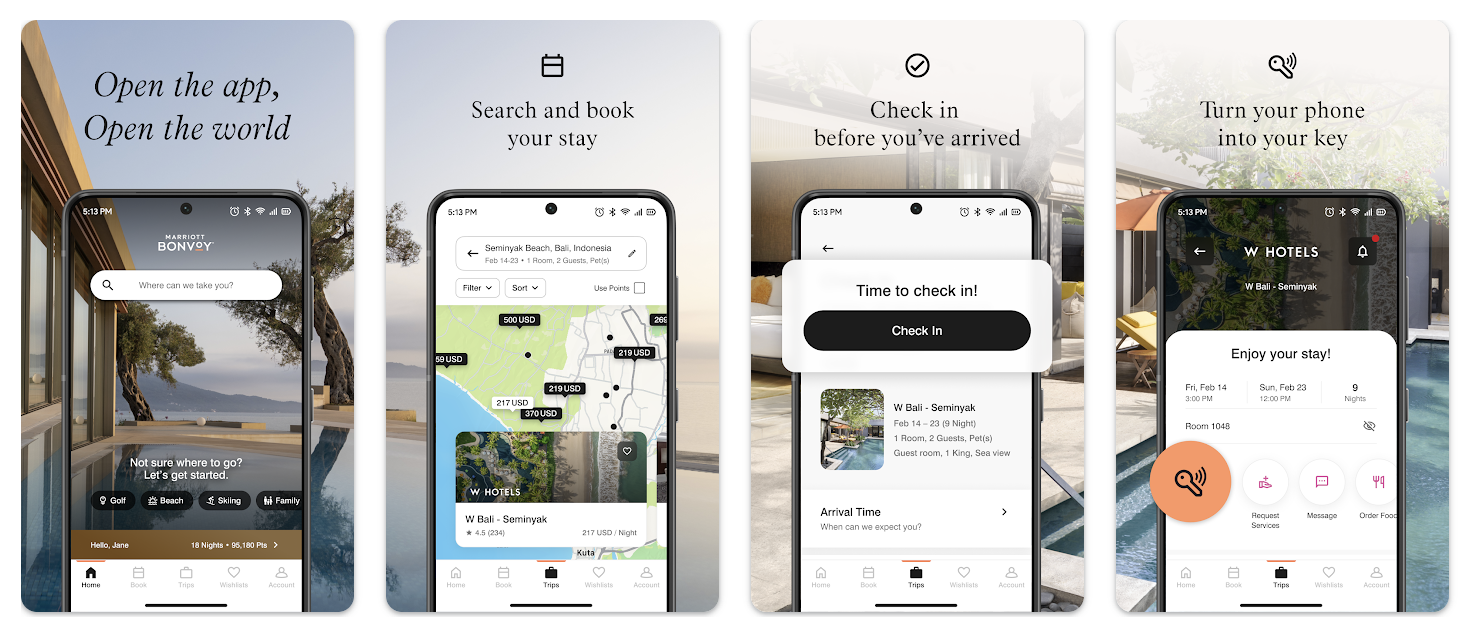
The result: 295 million members as of 30 June 2026. Bonvoy members booked 75% of Marriott's US and Canada room nights and 68% globally in 2025.
Source: Marriott earnings releases and FY2025 Form 10-K.
The room-night share is the number to watch, not the membership figure. It tells you the program is doing commercial work, pulling bookings away from online travel agencies and into direct channels where Marriott keeps the margin and owns the customer relationship.
The lesson: a program's job is often channel shift, not incremental spend. Measure accordingly.
3. GivBax Rewards (ARDEX/BAL): the strongest B2B result on this list
The result: A 73% engagement rate within six months of launch. 8.8% of ARDEX Group's UK sales now run through the program. Average spend per user transaction up 10%, with purchase frequency tripling inside six months.
Source: White Label Loyalty client data.
ARDEX manufactures flooring and tiling products sold through a distribution network, meaning the company had almost no visibility into which installers and contractors were buying its products, how often, or why. GivBax Rewards rewards installers for purchasing ARDEX and BAL products from any distributor, using receipt scanning to close the data gap.
A 73% engagement rate would be strong in consumer retail. In the B2B sector, where programs routinely stall below 20%, it's exceptional. And 8.8% of national sales flowing through a program that didn't exist three years ago is a materially different thing from a discount scheme.
The lesson: the highest-return loyalty opportunities are often in categories nobody associates with loyalty. Manufacturers selling through third parties have the biggest data gap and the least competition for attention.

4. Chipotle Rewards: near-total digital attachment
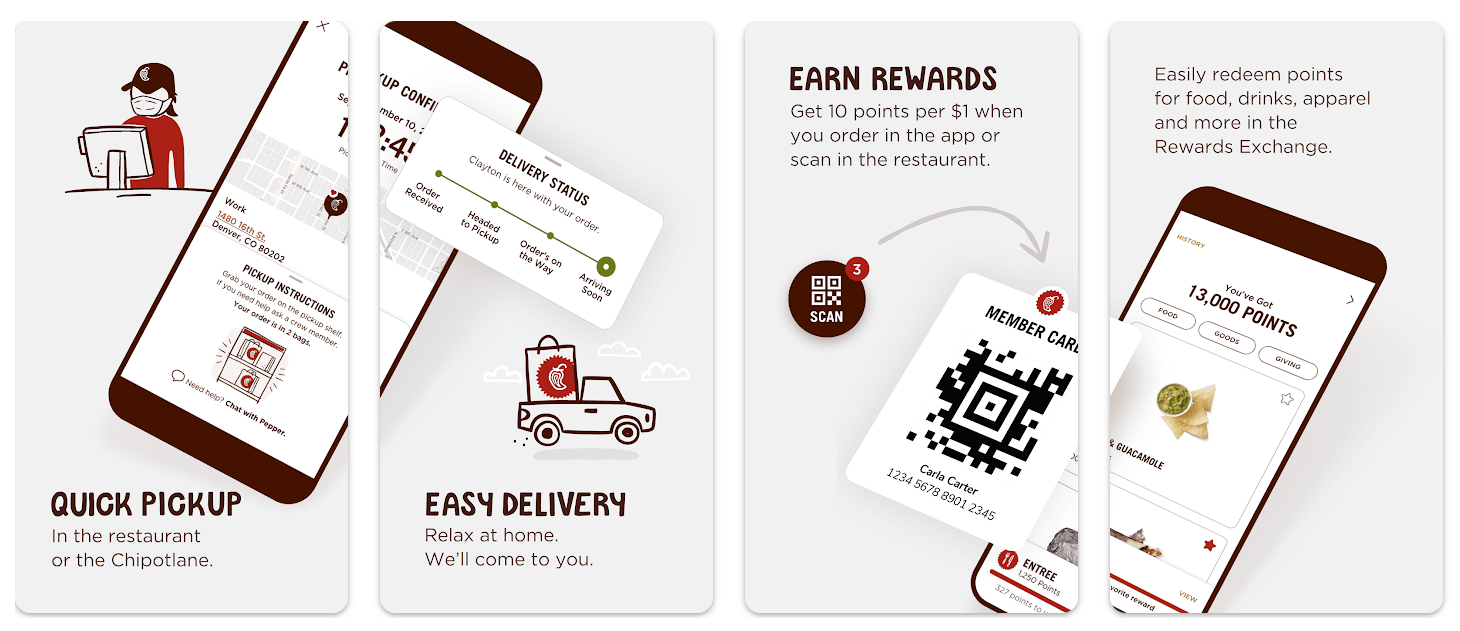
The result: More than 21 million active members. Approximately 90% of digital transactions are linked to the rewards program, but only around 20% of in-restaurant transactions.
Source: Chipotle press release, 13 April 2026, accompanying the "Rewards on Repeat" relaunch.
That gap between 90% and 20% is the most instructive single statistic in this article. Chipotle published it deliberately, and built its 2026 relaunch around closing it. The company's own framing is that the in-restaurant opportunity is the growth story, not the app.
The lesson: if your program only captures digital orders, you're blind to the customers walking in every week. Identification at the physical point of sale is usually the biggest available uplift.
5. MyMcDonald's Rewards: loyalty as a reported revenue line
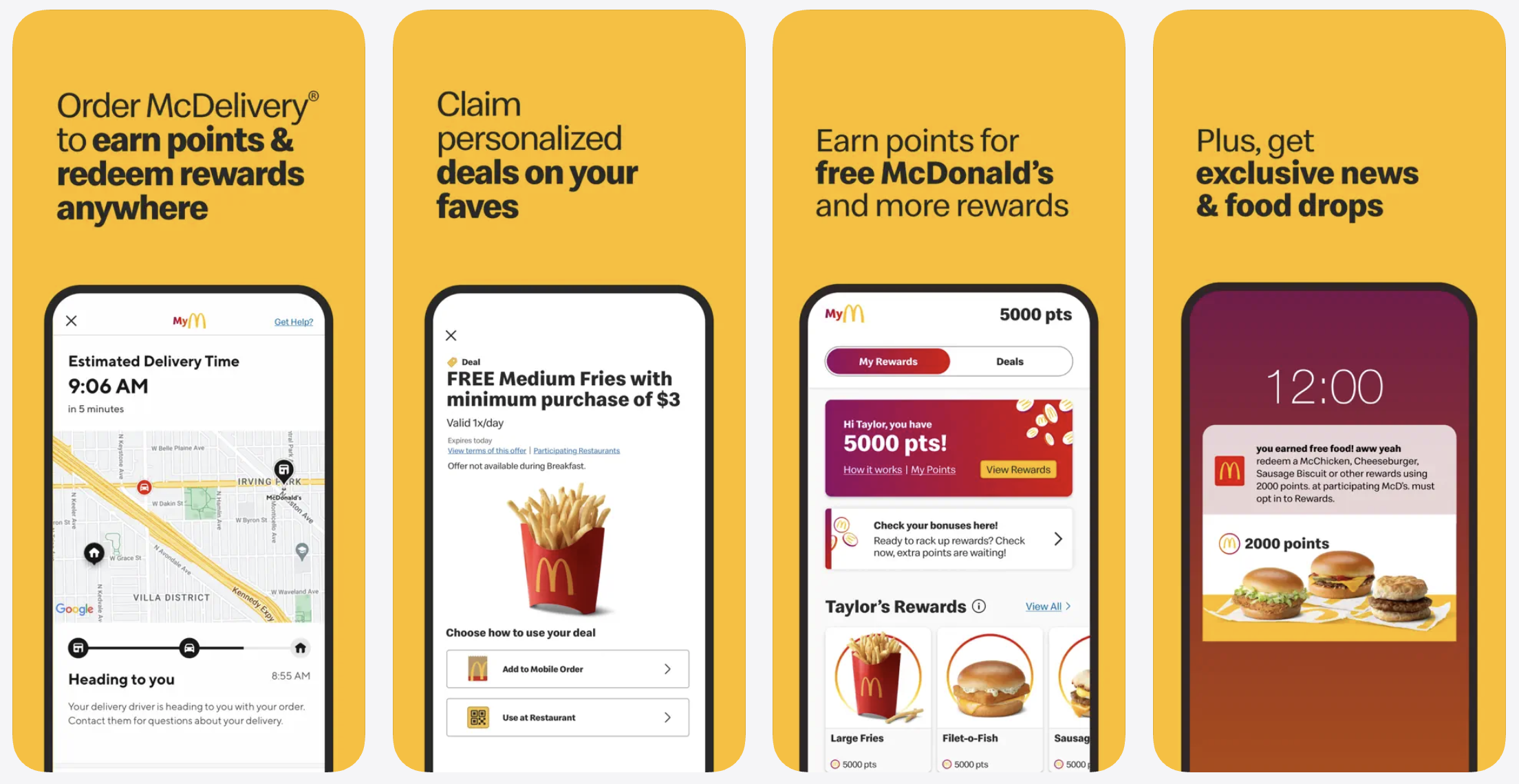
The result: Across 70 loyalty markets, systemwide sales to loyalty members rose more than 20% to $40 billion on a trailing twelve-month basis, with 90-day active loyalty users up 13% to nearly 220 million.
Source: McDonald's Q2 2026 results.
McDonald's leads its quarterly results with loyalty in dollars, not members, and publishes a precise definition of what the figure includes: sales to customers who self-identify as a member, aggregated across the prior four quarters, in markets with a live program. That definitional rigour is why the number is usable.
Both figures are also growing considerably faster than the business: over 20% and 13% respectively, against 5% systemwide sales growth in the quarter.
The lesson: how you report your program internally determines how it gets funded. Member counts get you a marketing budget; attributed revenue gets you a strategy seat.
6. Starbucks Rewards: the engagement benchmark
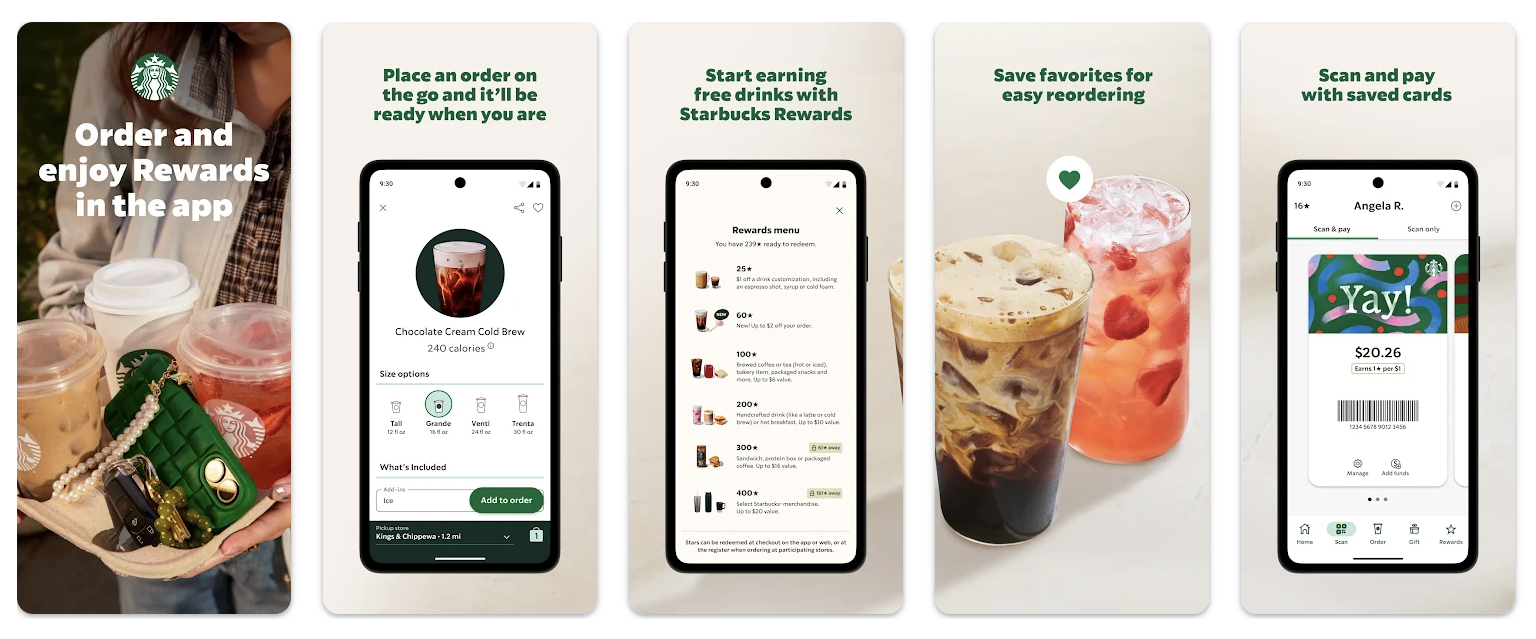
The result: 35.8 million 90-day active members in the US, growing both quarter on quarter and year on year.
Source: Starbucks Q3 FY2026 earnings call, August 2026.
Note the definition: 90-day active, not enrolled. Starbucks reports the harder number, which is why its figure is smaller than programs claiming hundreds of millions of members. It also disclosed that one in three members who used its "Free Mod Monday" benefit reordered that modification in subsequent weeks, a rare published example of a reward changing ongoing behaviour rather than just driving a single redemption.
The lesson: report active members, not sign-ups. The vanity number costs you the ability to see what's actually happening.
7. Ravensburger: the multi-market benchmark
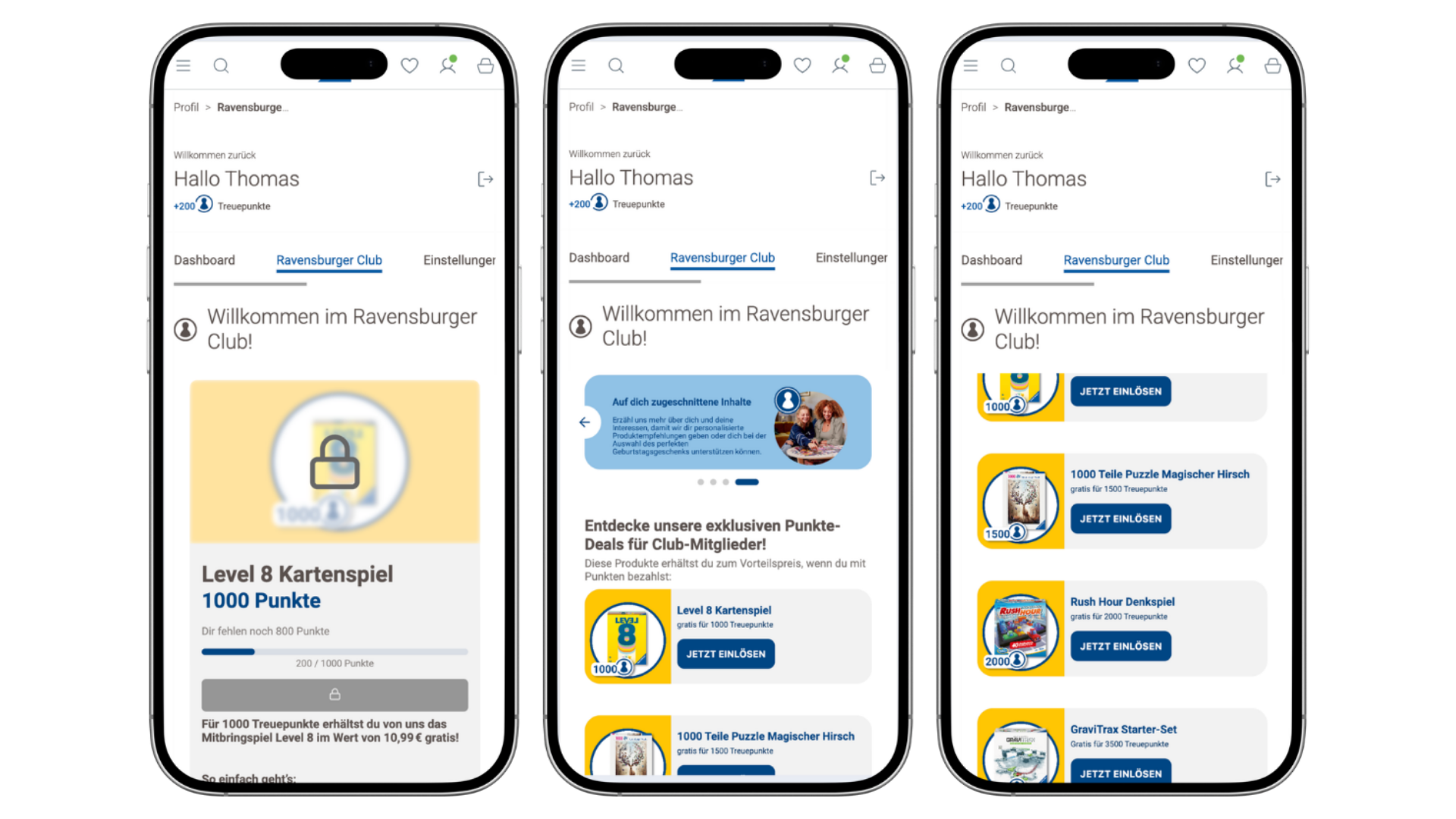
The result: 127,000+ registrations, a 58% engagement rate and a 20% repeat purchase rate in year one, across 11 markets launched in six months.
Source: White Label Loyalty client data.
Ravensburger relaunched its loyalty program across Europe and the US with a requirement that it feel genuinely local everywhere: country-specific reward catalogues, local-currency earning logic, translated microsites per market, and redemption working across both retail stores and the European online store. Four markets went live in March 2025, with seven more added by September. The program is now planned for 20 additional countries in 2027.
The 20% repeat purchase rate is the number worth dwelling on, because toys and puzzles are a low-frequency, gift-heavy category, exactly where repeat purchase is hardest to move.
The lesson: multi-market loyalty is an infrastructure problem before it's a marketing one. Brands that run eleven separate country programs get eleven separate datasets and no global view.
8. Hilton Honors: the fastest-growing large program
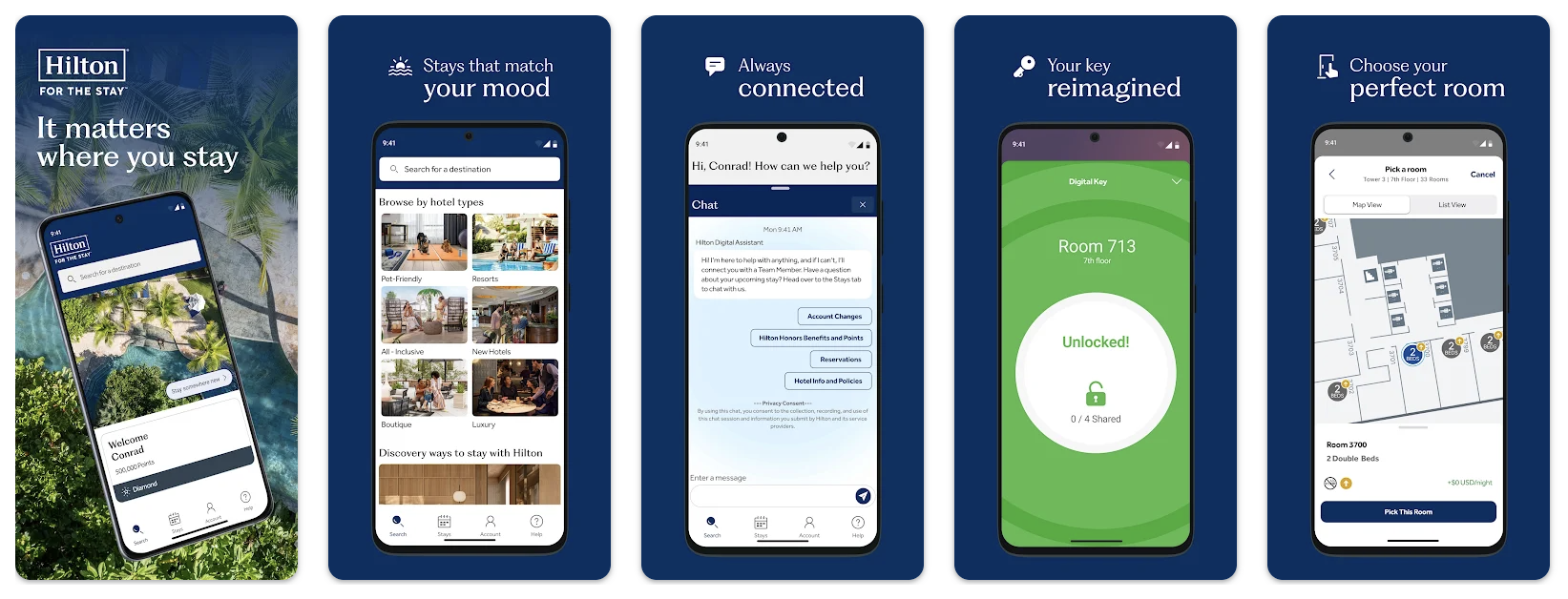
The result: 260 million members as of 30 June 2026, up 15% year on year, the fastest growth rate of any program on this list.
Source: Hilton Q2 2026 reporting.
Hilton's January 2026 overhaul lowered elite thresholds — Gold at 25 nights, Diamond at 50 — added a Diamond Reserve tier, and ended rollover nights. Making status easier to reach while adding a higher ceiling is a deliberate bet that attainability drives more revenue than exclusivity.
The lesson: attainability can be a growth lever in its own right. Hilton bet that more members reaching status would outperform keeping status scarce.
9. Wesleyan Rewards: the redemption benchmark
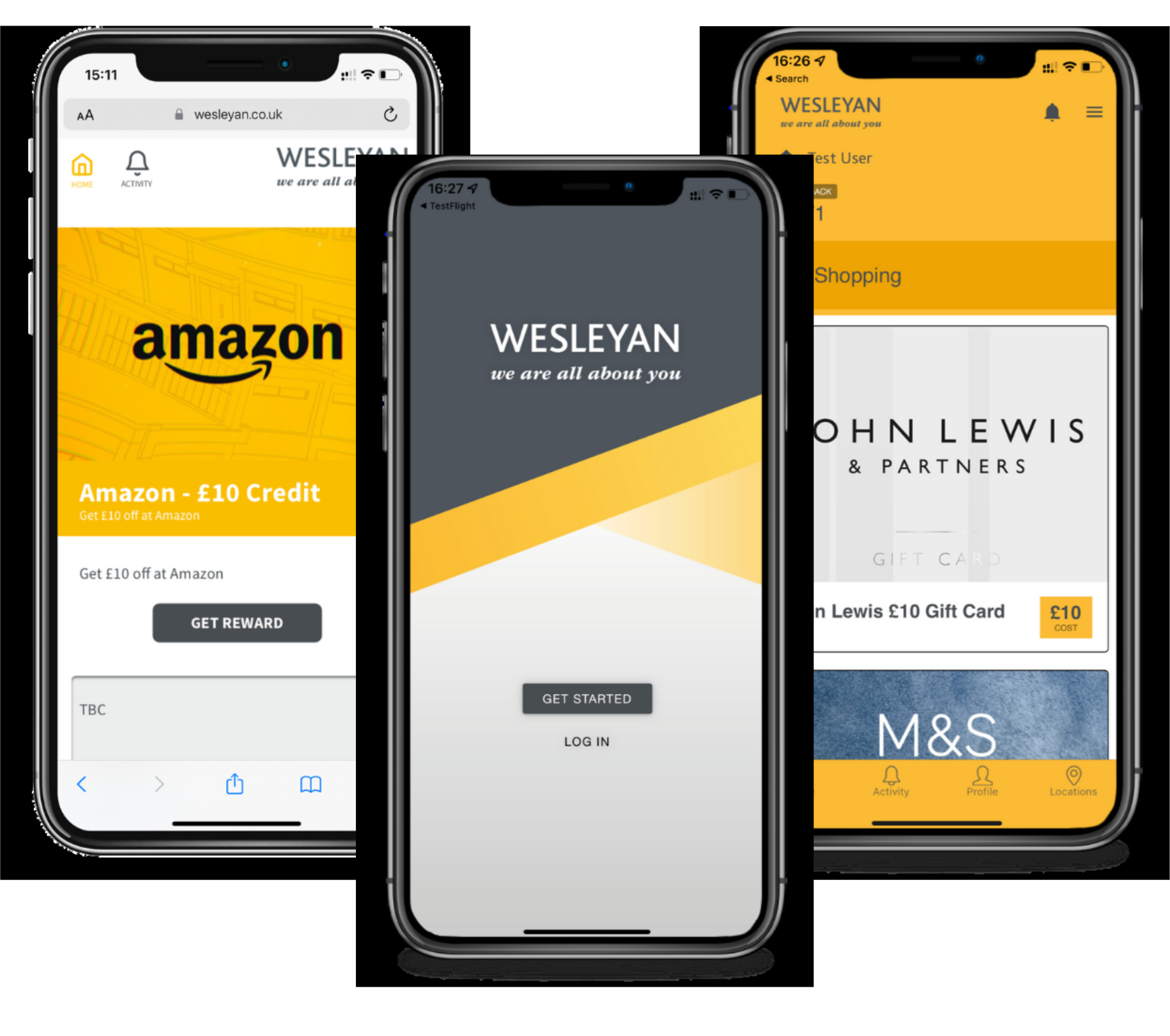
The result: A 68% redemption rate and a 96% customer satisfaction score within months of launch, with an average experience rating of 4.6/5.
Source: White Label Loyalty client data.
Wesleyan is one of the UK's oldest financial services companies, serving professionals in medicine, dentistry, teaching and law. Financial services is notoriously difficult loyalty territory: low interaction frequency, limited emotional connection, and products people buy once a decade. The program's answer was wellbeing-focused rewards tailored to those professions rather than generic cashback.
A 68% redemption rate is the standout. Industry redemption rates commonly sit far lower, and unredeemed points are a liability on the balance sheet and a signal that members don't value what's on offer.
The lesson: redemption rate is an underrated health metric. High issuance with low redemption isn't a successful program, it's a growing debt.
What the numbers actually tell you
Read across all nine and four patterns emerge that you won't get from a features comparison.
- Sales penetration is the real scoreboard. Ulta at 95% of sales, Marriott at 75% of room nights, McDonald's at $40 billion of member sales, ARDEX at 8.8% of UK sales. These are wildly different businesses, but they're all answering the same question: what share of our revenue can we see, attribute, and act on? Programs that can't answer it are flying blind.
- The physical-digital gap is the biggest unexploited opportunity. Chipotle publishing 90% versus 20% is unusually honest, but the gap isn't unusual. Most programs capture app and web behaviour well and in-store behaviour badly. Ravensburger's results came partly from connecting retail and online purchasing into a single view; ARDEX's came from receipt scanning in a channel with no direct POS access at all.
- B2B returns are disproportionate because expectations are low. A 73% engagement rate in manufacturing sits above what most consumer programs achieve, in a category where the competition for attention is minimal and the data gap is total.
- Definitions vary enormously, so compare carefully. Starbucks reports 90-day active members. Marriott and Hilton report cumulative enrolments, which is why hotel numbers run to hundreds of millions. Neither is wrong, but a 260-million-member program and a 36-million-member program may have similar numbers of people who actually used them last quarter. When you benchmark, match the definition first.
How to get results like these
The programs above share less in common on mechanics than on what their underlying platforms can do.
- Identify transactions everywhere, not just online. Chipotle's 70-point gap between digital and in-restaurant is the clearest published statement of the cost of partial capture. Receipt scanning, card-linking and POS integration all solve it; the right one depends on whether you control the point of sale.
- Reward behaviours, not just spend. Starbucks changing what customers order through a modification benefit, and ARDEX rewarding installers for purchases made at third-party distributors, both require an engine that treats any customer action as a trigger.
- Run one program across many markets. Ravensburger's 11 markets share a single platform with per-currency earning rules and localised catalogues. The alternative fragments your data exactly where you most need it joined up.
- Instrument for the metrics above from day one. You cannot report sales penetration, redemption rate or repeat purchase rate retrospectively if the data was never captured. Every figure in this article exists because someone designed the program to produce it.
White Label Loyalty's event-based Loyalty Engine is built for exactly this: rewarding any customer action, across any channel, in any market, with the analytics to prove what it returned. The ARDEX, Ravensburger and Wesleyan results above all run on it. Book a demo →
Frequently Asked Questions (FAQs)
Recommended Posts
If you enjoyed this article, check out these relevant posts below.
Share this Article

Sara Rabolini
Senior Content Marketing Executive
Sara is our Senior Content Marketing Executive. She shares engaging and informative content, helping businesses stay up-to-date with the latest trends and best practices in loyalty.
Post Tags