Best Loyalty Programs in Europe: Trends & Examples
From a Tesco Clubcard scan in London to a Payback swipe in Berlin, loyalty programs have become part of everyday shopping for millions of Europeans.
But "Europe" isn't one market, it's dozens of them, each with its own currency, regulatory regime, and consumer habits. What ties them together is a shared shift: loyalty is moving from a marketing add-on to a core part of how retailers, banks, and travel brands do business.
In this blog post, we'll look at the trends shaping loyalty across the continent, some of the standout programs leading the way, and what brands can learn from them.
If you want to learn more about a specific country, you can check out our related blog posts:
- The UK's Top Loyalty Programs
- The Best 5 Loyalty Programs in Germany
- Top 6 Loyalty Programs in France
- The Best 11 Loyalty Programs in Italy
- Top Loyalty Programs in Spain
- Top Loyalty Programs in Poland
- Top Loyalty Programs in the Netherlands
- Best Loyalty Programs in Switzerland
- Loyalty Programs in Slovenia
- Loyalty in Benelux
- Loyalty in the Nordics
The state of the European loyalty market
Europe's loyalty market has grown quickly over the past few years, and forecasts suggest that momentum isn't slowing down.
Recent market research values the region's loyalty programs market at roughly $18.8 billion in 2026, with projections putting it near $29.5 billion by 2030, a compound annual growth rate approaching 12%.
Growth has been driven by rising digital adoption, tighter household budgets pushing shoppers toward reward-bearing purchases, and a wave of brands embedding loyalty directly into checkout and payment flows rather than treating it as a bolt-on campaign.
Regulation also plays a bigger role in Europe than in most other regions. GDPR shapes how loyalty data can be collected and used, pushing brands toward transparent, consent-based personalization instead of the more freewheeling data practices seen elsewhere.
That's led to a market that, on the whole, favors clear value exchanges (discounts, cashback, early access) over opaque points systems.
Key trends shaping loyalty in Europe
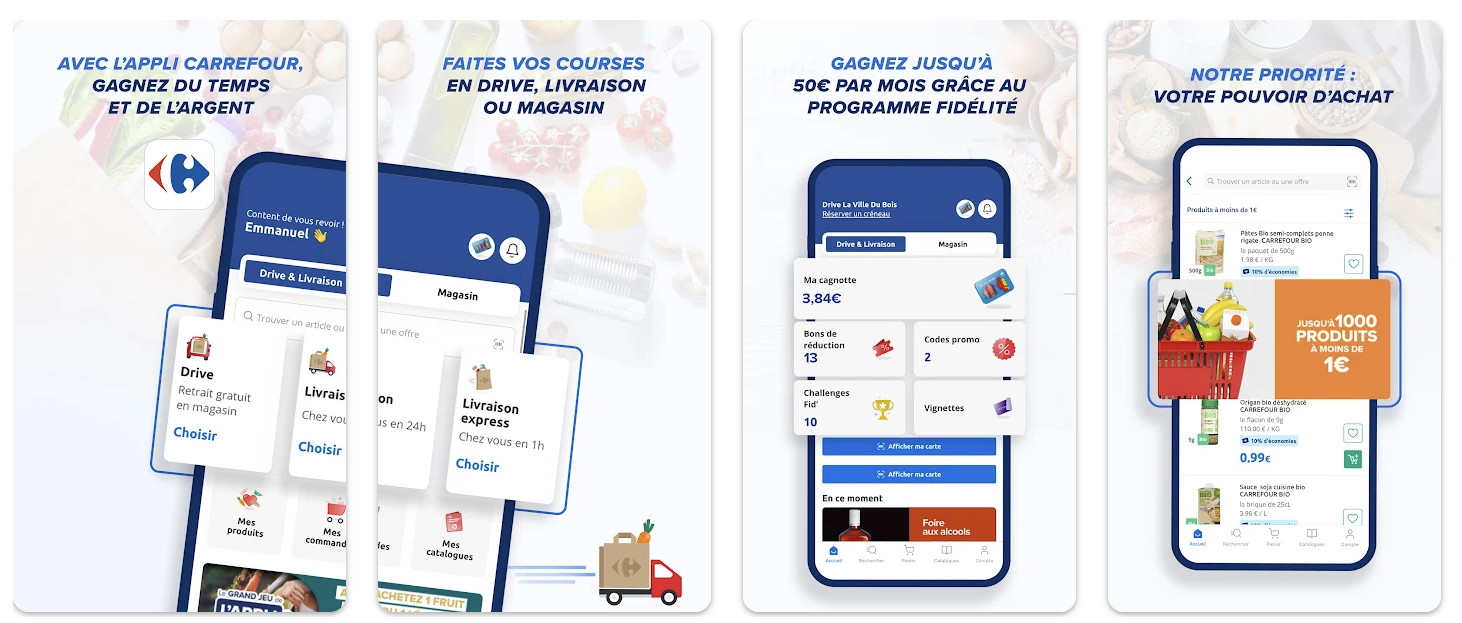
Loyalty is becoming part of the transaction, not a layer on top of it. Rather than sitting alongside checkout, more European loyalty programs are wired directly into it. Carrefour, for example, has folded its Club Carrefour benefits into the checkout experience itself in France, matching discounts and personalized pricing to identified customers at the point of sale.
💡 Tip: Look for ways to recognize and reward customers at the moment of purchase, not just after it, through card-linked offers, app-based checkout scans, or personalized pricing.
Coalition and ecosystem models keep growing. Single-brand programs struggle to earn daily relevance unless they're in grocery or fuel, so many European retailers and banks are leaning into shared, multi-partner ecosystems instead.
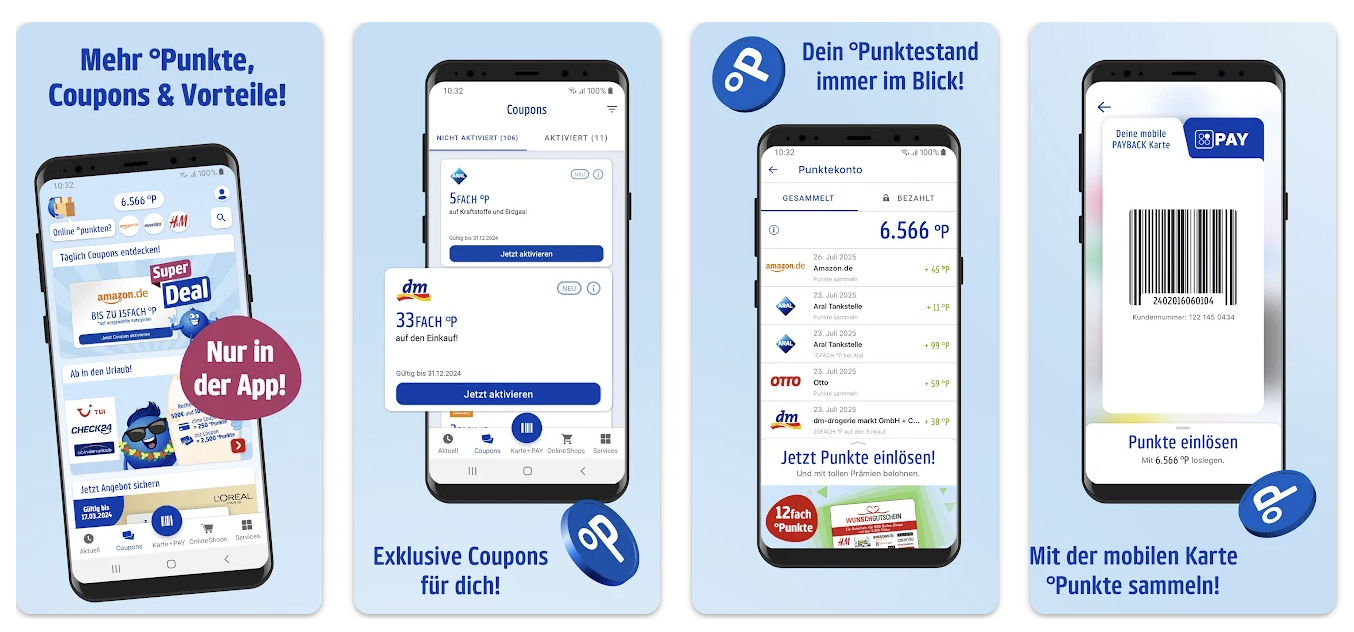
Payback remains a dominant coalition scheme across Germany and Austria, spanning grocery, fuel, and pharmacy spend, while in Italy, Nexi positions loyalty as a shared service layer that banks and merchants can plug into rather than build themselves.
💡 Tip: If your brand can't offer daily-use relevance on its own, a coalition or partner network can multiply the number of times customers interact with your rewards.
Instant value is replacing deferred rewards. With inflation squeezing household budgets across much of Europe, consumers have shown less patience for banking points toward a future reward. Programs are shifting toward instant rewards customers can use right away.
In Switzerland, Coop promotes redeeming points directly at checkout as a spendable balance rather than a future prize, and in Spain, El Corte Inglés has doubled down on card-linked benefits that apply at the moment of purchase.
💡 Tip: Where possible, offer at least one immediate-value option (an instant discount or checkout credit) alongside any points-based, delayed rewards.
Digital-first and mobile experiences are now the baseline. Across the region, loyalty has moved onto mobile apps and digital wallets.
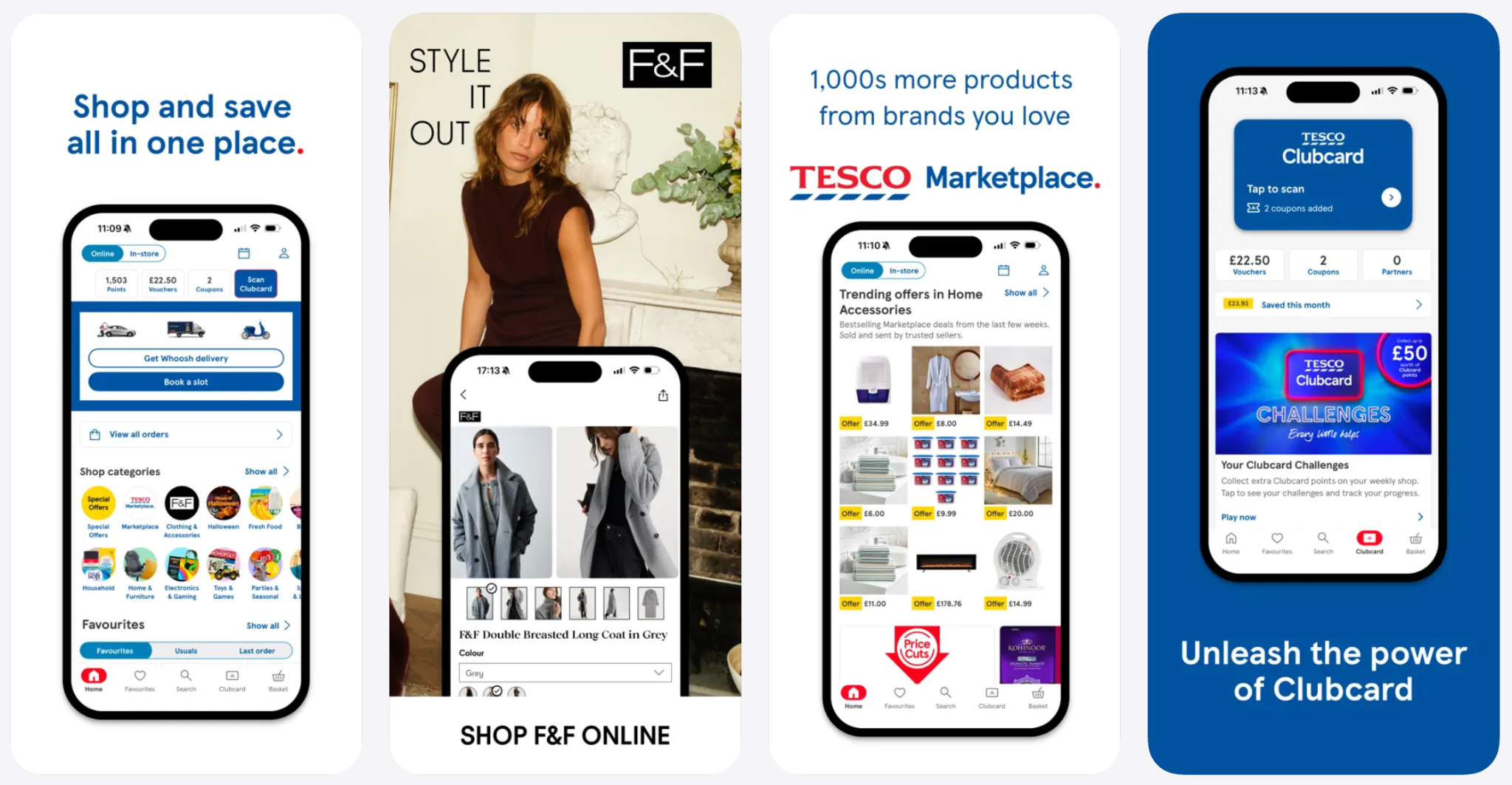
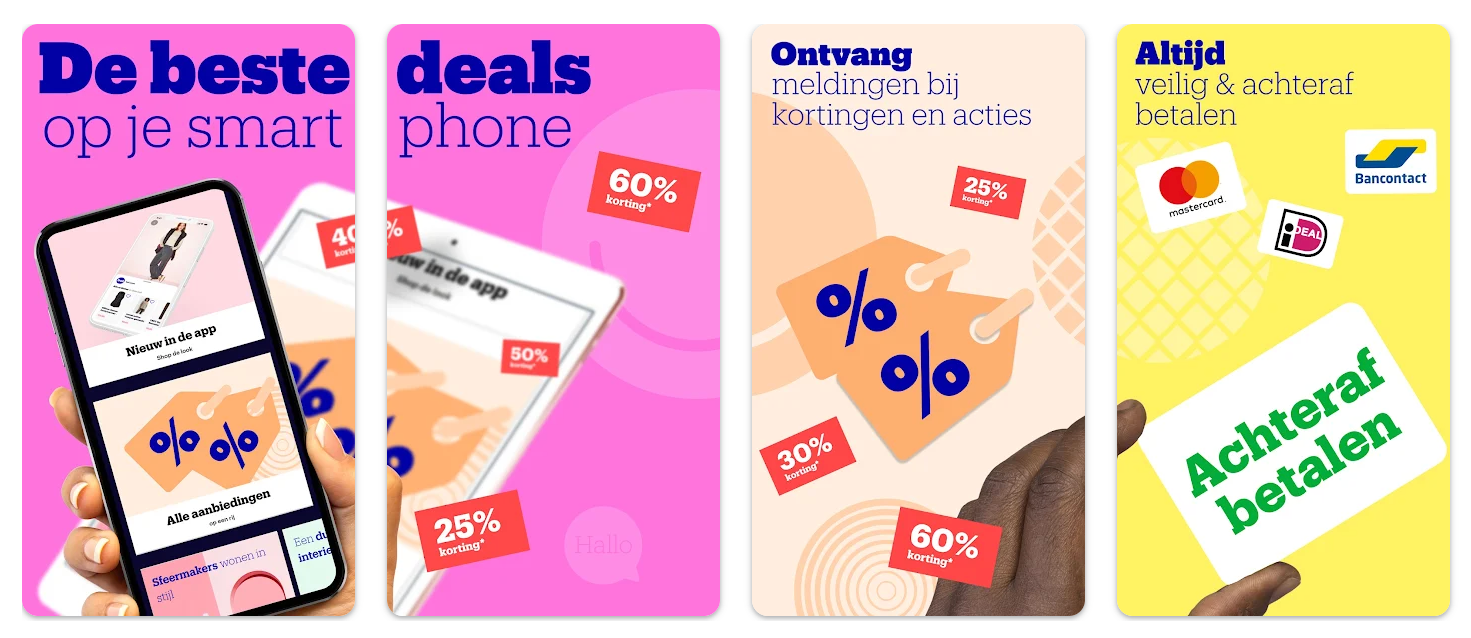
Tesco Clubcard in the UK pairs personalized pricing with app-based deals, Carrefour's MyClub app in France brings together discounts, rewards, and digital receipts in one place, and bol.com's Select subscription in the Netherlands ties loyalty benefits to e-commerce delivery perks rather than a traditional points model.
💡 Tip: A mobile-first loyalty experience isn't a differentiator anymore, it's table stakes for European markets, especially with younger, digital-native shoppers.
Sustainability and data-transparency are becoming genuine differentiators. European consumers, more than in many other regions, expect brands to align rewards with their values, whether that's sustainability-linked perks or a demonstrably transparent approach to how loyalty data is collected and used under GDPR.
💡 Tip: Framing loyalty benefits around sustainability or ethical sourcing, not just discounts, can help programs stand out in a crowded, discount-heavy market.
Top loyalty programs to know across Europe
Tesco Clubcard (UK) is one of the most established and data-driven loyalty programs in the world, offering personalized pricing on thousands of products alongside a large base of enrolled households. Its scale and the depth of its personalization have made it a reference point for grocery loyalty well beyond the UK.
PAYBACK (Germany & Austria) is one of Europe's largest coalition programs, letting members earn and redeem points across grocery, fuel, pharmacy, and other everyday categories through a single card or app. Its cross-category reach is what keeps it central to daily spending habits in both markets.
Carrefour Club / MyClub (France) combines in-store and online loyalty into one mobile-first experience, syncing digital receipts, personalized offers, and checkout-level discounts for one of France's largest supermarket chains.
Bol.com Select (Netherlands) takes a subscription approach rather than a traditional points model, bundling free delivery and exclusive deals for regular online shoppers, a model that mirrors the broader European shift toward paid membership tiers in e-commerce.
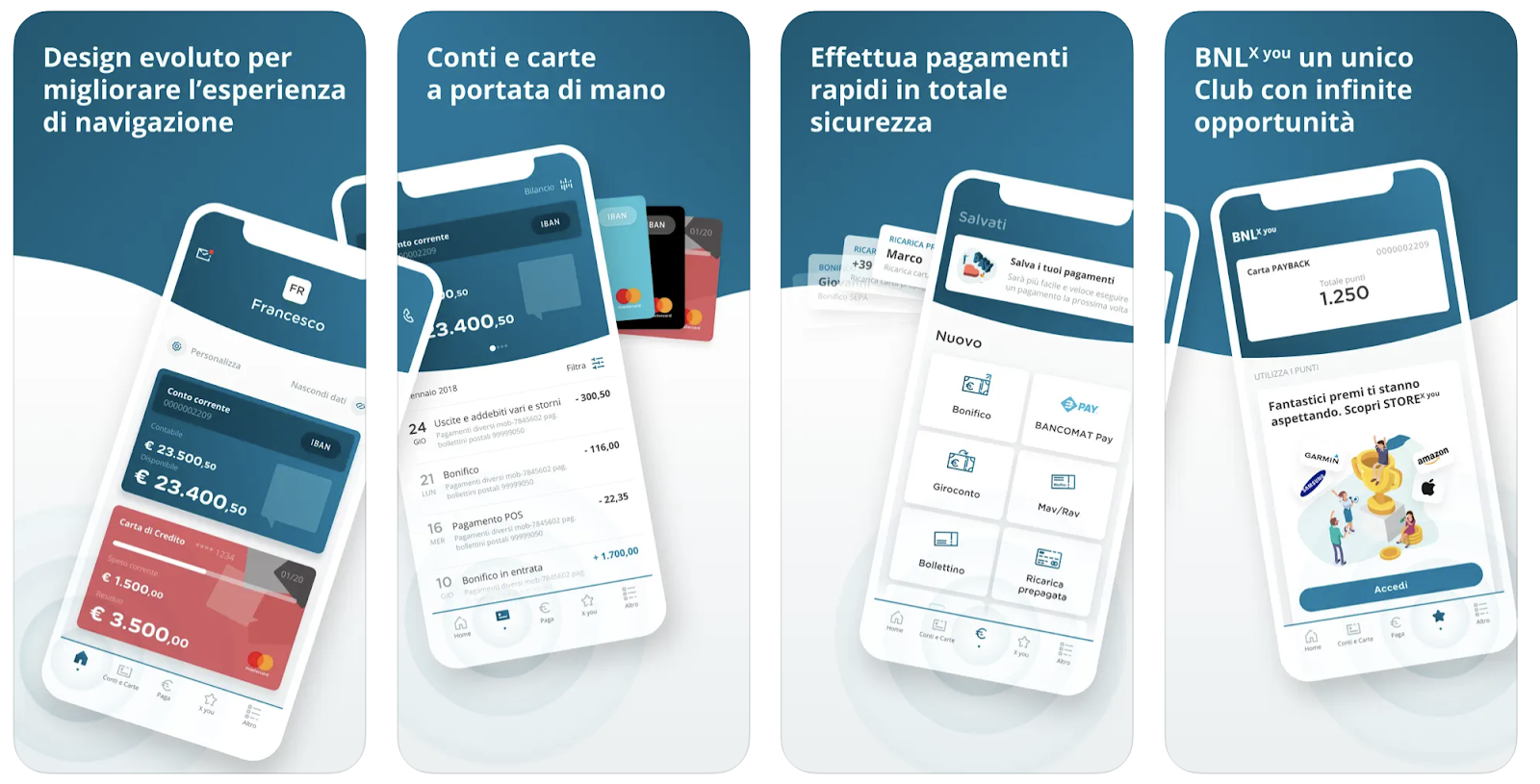
BNL X you (Italy) is Italian bank BNL's card-linked loyalty program, earning Payback points on everyday credit card spend and redeeming them through a dedicated online store for gift cards and products from partner brands. It's a strong example of how financial services brands use plugged-in coalition rewards, rather than a standalone scheme, to keep everyday card spend loyal.
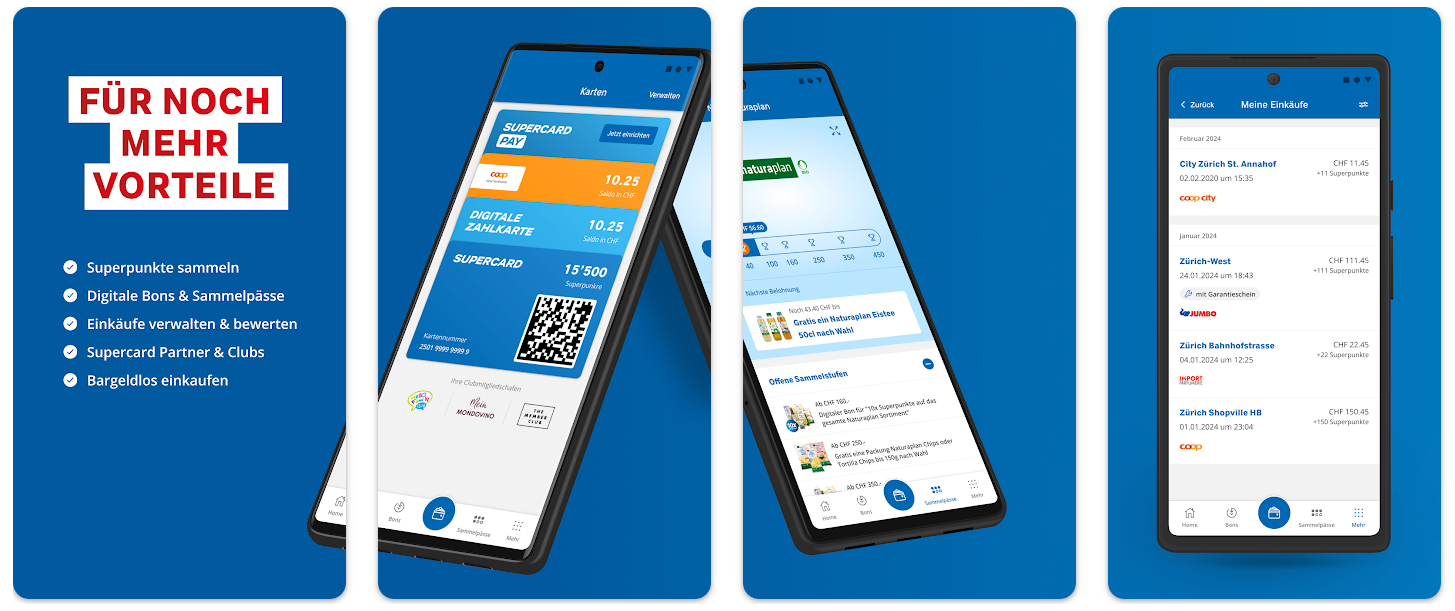
Coop Supercard (Switzerland) rewards everyday grocery spend with points that can be redeemed instantly at the till, reflecting the region's broader pivot toward immediate, spendable value over deferred rewards.
Best practices for brands building loyalty in Europe
Whatever market you're building for, a few principles hold true across the region:
- Design for GDPR from day one. Transparent consent and clear data use aren't just compliance boxes, they're part of what earns European consumers' trust in a loyalty program.
- Think coalition, not just single-brand. Partnering with complementary businesses can help a program earn a place in customers' daily routines faster than going it alone.
- Localize, don't just translate. Consumer expectations, payment habits, and regulatory nuances shift meaningfully from the UK to Germany to Italy to the Nordics; a one-size-fits-all program rarely performs well across all of them.
- Balance instant and long-term value. Give customers something they can use today, alongside the aspirational rewards that keep them engaged over time.
- Make mobile the default, not an afterthought. App-based tracking, digital wallets, and real-time offers are now the baseline expectation across most European markets.
Building a loyalty program that works across Europe
Europe's diversity is exactly what makes a flexible, modular loyalty platform so valuable here. A program built for the UK's data-driven personalization won't necessarily translate as-is to Germany's coalition-heavy market or Italy's bank-led loyalty infrastructure.
At White Label Loyalty, we help brands design loyalty programs that are:
- Modular: choose the features you need, from points and tiers to coalition-style partner rewards.
- API-first: integrate seamlessly with existing systems, whether you're a retailer, bank, or travel brand.
- Event-driven: reward any customer action, not just purchases, from app installs to sustainable choices.
- Data-powered: run personalized, GDPR-compliant campaigns backed by real behavioral data.
Want to learn how White Label Loyalty can help you launch a flexible, mobile-first loyalty program built for European markets? Get in touch with our loyalty experts today.
Recommended Posts
If you enjoyed this article, check out these relevant posts below.
Share this Article

Sara Rabolini
Senior Content Marketing Executive
Sara is our Senior Content Marketing Executive. She shares engaging and informative content, helping businesses stay up-to-date with the latest trends and best practices in loyalty.