Insurance Loyalty Programs: 6 Examples and How to Choose
Insurance loyalty programs fall into four working models: points and tiers, behavioural rewards, prevention and telematics, and automatic value such as cashback.
No single model is right for every insurer: the one that works for you depends on what your regulator allows you to give, how much developer capacity you have, and whether your customers interact with you more than once a year.
This guide covers the four models, seven programs worth learning from, how to choose between them, and whether to build or buy. The PDF version adds seven operational tips for getting a program live, including the measurement setup the majority of insurers only realise they need once it's too late.
Want to get all the exclusive content? Download this guide in PDF for later!
What is an insurance loyalty program?
An insurance loyalty program rewards policyholders for behaviour other than buying a policy: staying with the insurer, driving safely, completing a health check, installing a leak sensor, referring a friend, or handling admin digitally.
Considering a policy is bought once a year at most, these programs have to earn on non-purchase events. That is the structural difference from something like retail loyalty, and it shapes everything else.
If you are new to the mechanics themselves, our complete guide to loyalty program types covers the fundamentals.
Why does customer loyalty matter in insurance?
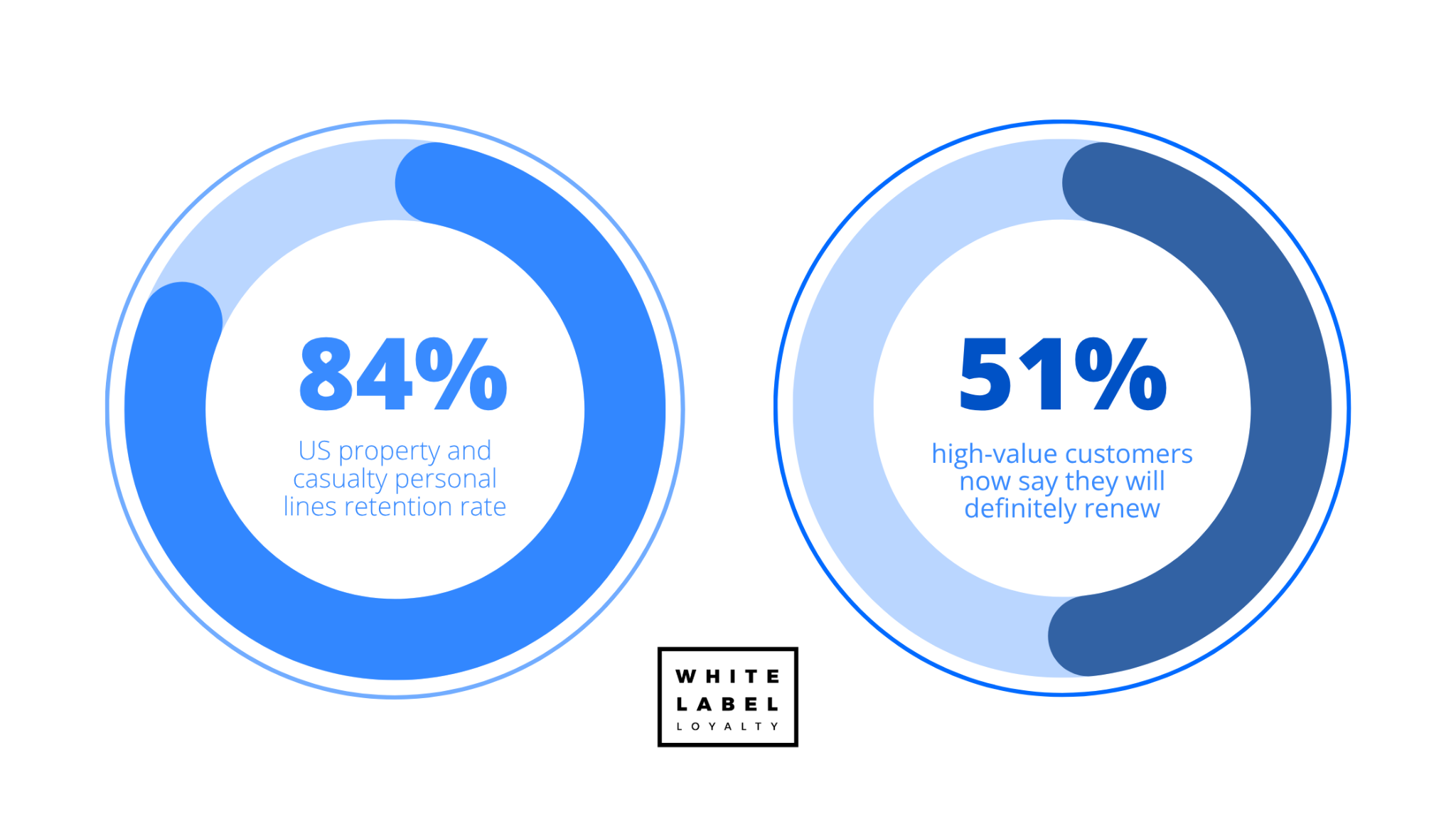
US property and casualty personal lines retention sits at roughly 84%, ahead of retail banking, but J.D. Power's 2026 insurance industry outlook found that 29% of insurance customers switched insurers during 2025, and that only 51% of high-value customers now say they will definitely renew.
High-value customers are the multi-policy holders insurers have historically treated as the safest part of the book.
Three further findings from the 2026 US Insurance Shopping Study:
- The share of US auto customers shopping their policy reached 57% in 2025 before easing to 53% in 2026.
- Shoppers now collect an average of 3.5 quotes, the highest in the study's history.
- Customers using AI tools during their insurance journey are more likely to switch, and more confident in the decision.
Why is loyalty harder in insurance than in retail?
Most loyalty advice assumes a retail relationship: frequent purchases, a basket to attach points to, and especially a customer who already enjoys shopping with you.
Insurance has none of those: the pain points below are the reason programs that work elsewhere stall here, and the reason the model you pick matters more than the rewards you put in it.
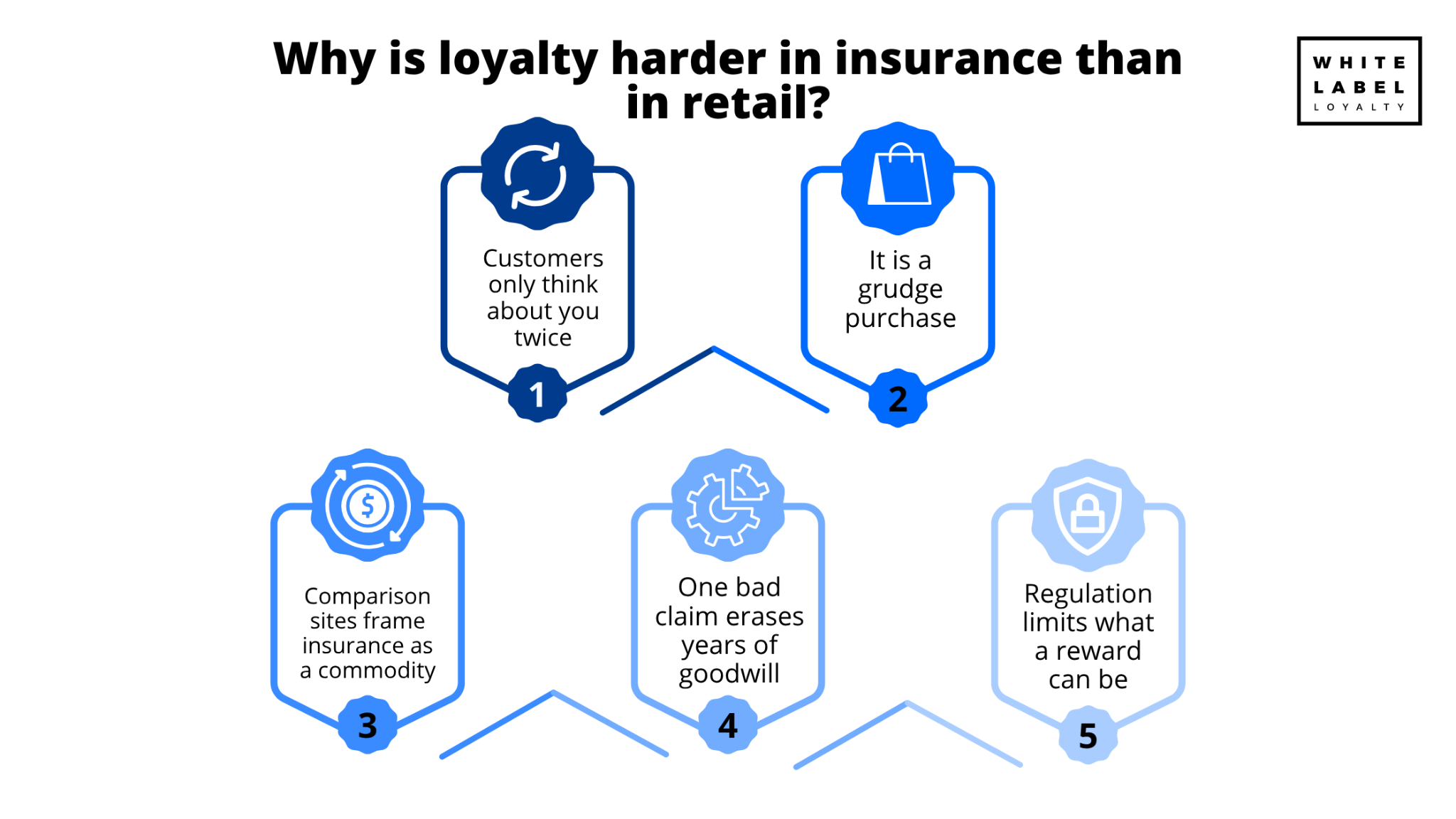
Customers only think about you twice
In most lines a policyholder goes years between claims, which makes the claim the only substantive contact in many relationships. Most insurer apps are used to check a policy and download documents, then closed.
A loyalty program needs events to earn on: insurance supplies very few, so the first design question is always which non-purchase behaviours you can credibly reward.
It’s a grudge purchase
Customers buy insurance hoping never to use it: unlike retail, there is no pleasure in the transaction to build on, so the reward has to create value the customer wants independently of the policy.
Comparison sites frame insurance as a commodity
In the UK motor market, price comparison websites grew from 60% to 66% of sales after 2022, according to FCA data. The channel gaining share is the one presenting insurance as an undifferentiated price list.
One bad claim erases years of goodwill
An Accenture survey of 8,000 home and auto customers across 14 countries found that 83% of those dissatisfied with claims handling had switched insurers or intended to. There’s no way to offset that with a rewards catalogue, which is why claims handling should be fixed before a loyalty program launches rather than after.
Regulation limits what a reward can be
This is the sector-specific constraint insurers underestimate most. Before choosing a mechanic, check what you are actually permitted to give:
- Cash is restricted for many regulated insurers, which pushes them toward points or in-kind rewards.
- Gift cards can count as taxable income in some jurisdictions, creating reporting obligations that fall on your finance team.
- Cashback models legal in one market may be prohibited in the next, even within the same region, so a group program cannot assume portability.
- Multinational groups often need legal sign-off per country entity, which is a schedule risk as much as a design one.
- Programs sitting on top of a third party's customers, such as an affinity or pension partner, usually need that partner's approval for every offer.
A platform that supports several reward types matters more here than in any other sector, because the type you planned may not pass compliance review.
The four models of insurance loyalty
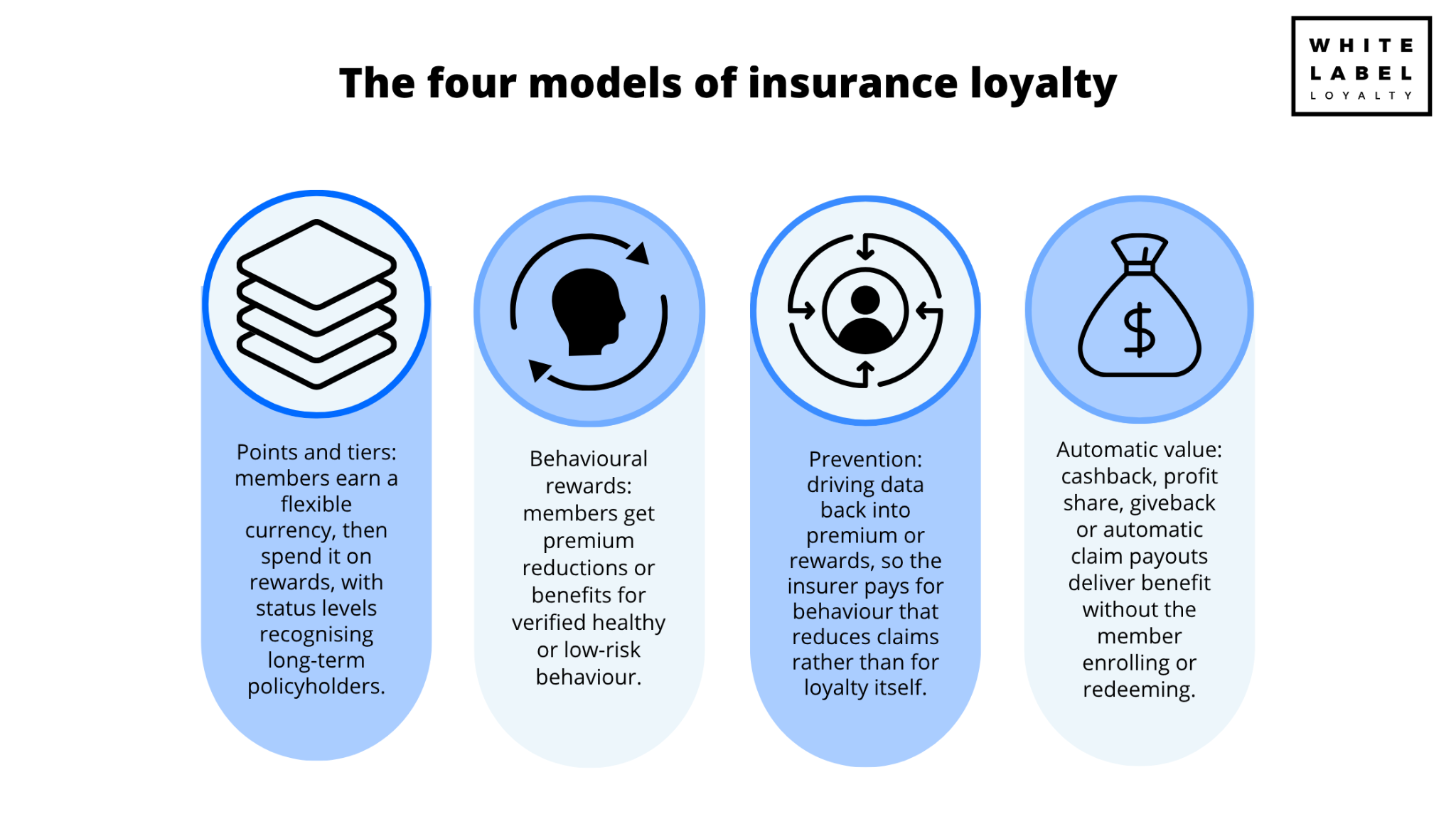
There is no standard template for insurance loyalty, but the programs that work tend to be variations on four models.
They differ in what they reward, what they ask of the customer, and what they cost you. Most insurers can rule out two of the four immediately once they know what their regulator permits and what data they hold.
Model | Rewards | Works best when | Watch out for |
| Points and tiers | Points for tenure, referrals, product holdings, app engagement, redeemable against rewards or premium | You need one flexible currency across products, and cash rewards are restricted | Points alone can produce low active usage; they need earning events beyond purchase to stay alive |
| Behavioural rewards | Benefits for verified healthy or low-risk behaviour | You have health, life or motor data and the actuarial capability to price the improvement | Longer build; needs evidence to justify the giveaway |
| Prevention and telematics | Premium reductions or rewards tied to driving, smart devices, maintenance | Motor and home, where behaviour measurably reduces claims | Consent and privacy sensitivity; uneven adoption across age groups |
| Automatic value | Cashback, giveback, profit share, automatic claim payouts | You want full participation without asking customers to do anything | Needs a capital position or business model that supports it |
Most working programs combine two: a points currency with a prevention mechanic underneath it is the most common pairing, because points give you a flexible unit and prevention gives you something worth rewarding.
If you are considering status levels, see our guide to building an effective tiered loyalty program.
How do you choose between them?
Four questions decide it in practice:
- What can you legally give? Start here, not with mechanics. If cash is out, points or in-kind rewards are your starting point rather than your fallback.
- What events can you observe? If the only data you have is renewal and claim, a behavioural program has nothing to run on yet. Tenure and referral rewards work from day one.
- Who is your customer? If you sell through brokers, agents or employers, you may be rewarding a distribution channel for selling rather than consumers for staying.
- Who will run it after launch? Covered in detail below, and it eliminates more options than anything else.
What do good insurance loyalty programs look like?
We've included insurtechs, mid-sized insurers and global carriers. The big carrier programs cost more than most insurers can spend, but the mechanics behind them work at any size.
Program | Company type | Market | Model |
| Wellabe Rewards | Mid-sized insurer | US, Medicare supplement | Points and tiers |
| VHV | Mid-sized mutual | Germany, motor | Telematics |
| YuLife | Insurtech | UK, group life | Behavioural, B2B2C |
| Lemonade Giveback | Insurtech | US and Europe, home | Automatic value |
| Vitality (Discovery) | Global carrier network | Global, health and life | Behavioural |
| Allianz SmartBenefits | Global carrier | Travel | Claims automation |
1. Wellabe Rewards (US, Medicare supplement)
Medicare supplement has a specific problem: a policy has to stay on the books long enough to reach profitability, so retention is an underwriting question as much as a marketing one.
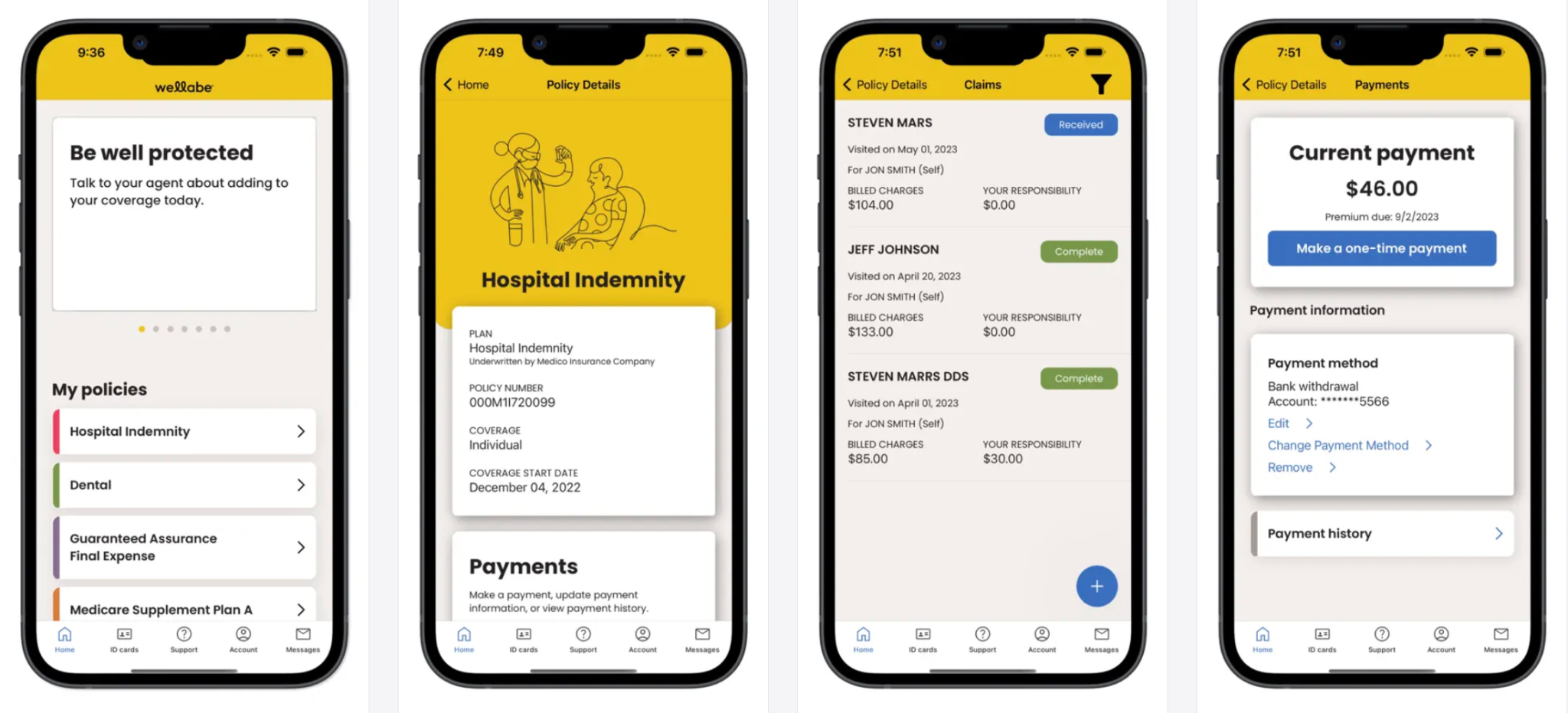
Wellabe Rewards gives members points for engaging with health and wellness content, on birthdays and policy anniversaries, and automatically for tenure. Points convert to grocery delivery, audiobooks and wellness subscriptions. Bronze, Silver, Gold and Platinum tiers recognise long-term policyholders, and a Snowflake integration moves data in real time. After a pilot, the program now reaches around 400,000 eligible policyholders. None of the earning events is a purchase.
Why it works: passive earning keeps the whole book in the program, so it doesn't depend on members who open the app. Content engagement gives the active minority something to do on top.
2. VHV (Germany, motor)
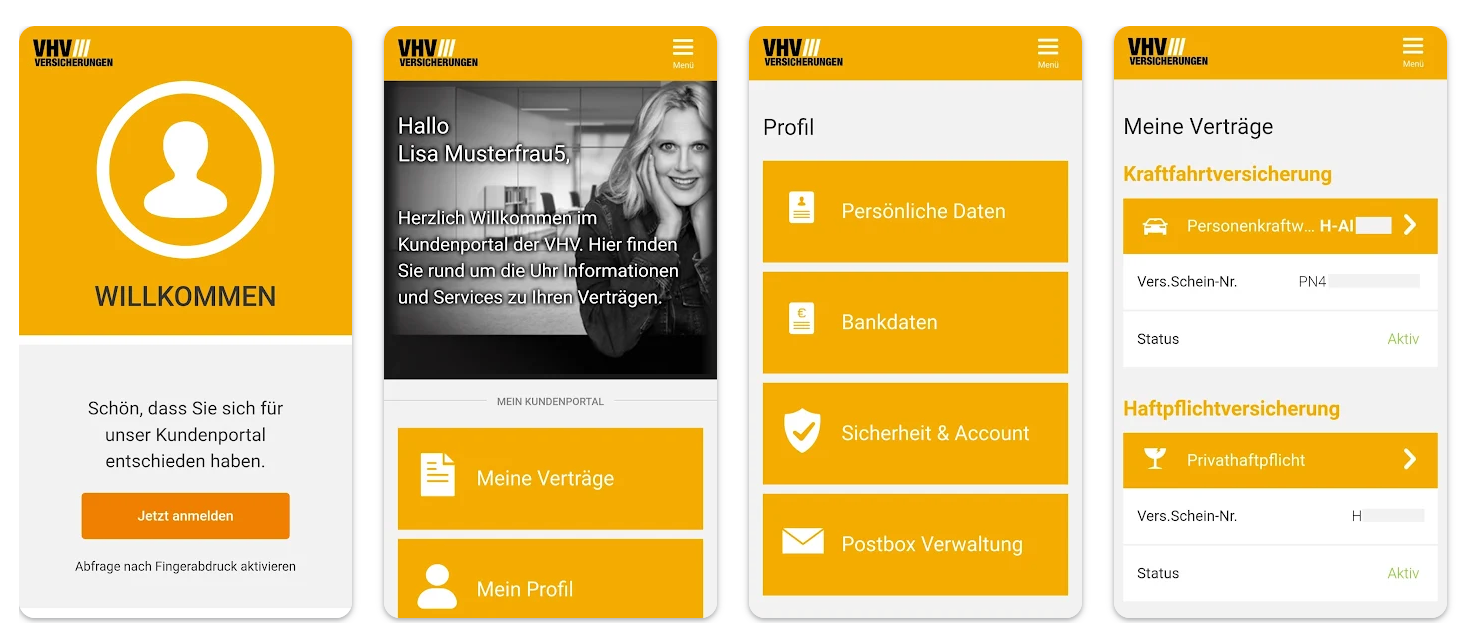
VHV is a German mutual with 2.5 million motor customers. Its telematics scheme has no points, no badges and no tiers. Drivers earn up to 30% off premium for driving well, and can qualify for the full discount inside their first 25 driving hours. Competing programs typically need 60 days or more.
Why it works: most telematics programs add a game layer to hold attention through a long assessment. VHV shortened the assessment instead.
3. YuLife (UK, group life insurance)
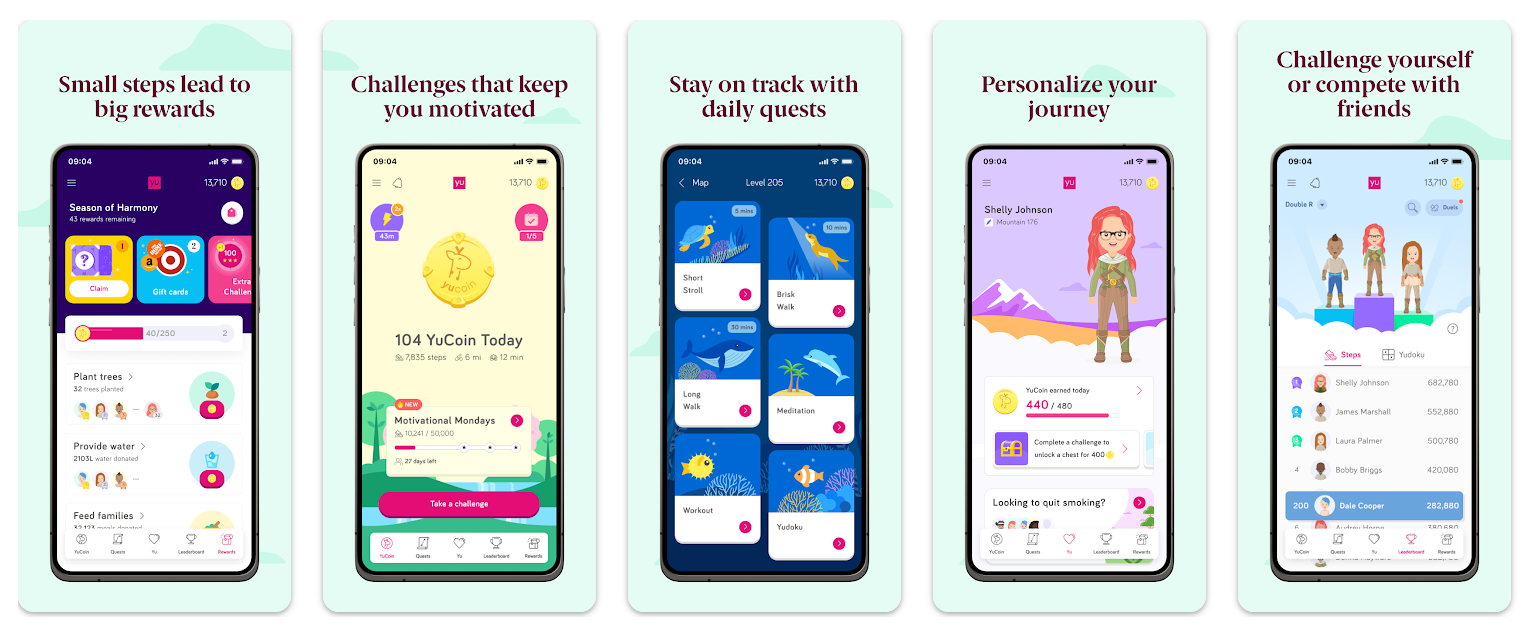
YuLife was founded in London in 2016 by the former CEO of Vitality Life. Members earn YuCoin, the company's wellbeing currency, for walking, cycling and meditating, working through more than 200 levels with challenges, bonus chests and head-to-head duels against colleagues. YuCoin converts into vouchers, Avios, charity donations or tree planting. The company now covers over 500,000 policyholders and more than $50bn of cover.
It's also B2B2C, with employers as the customer and employees as members, which is the same shape as a broker or agent program. Our guide to B2B2C loyalty programs covers how those mechanics differ.
Why it works: it gives people a reason to open the least-used product in insurance, and rewards the employer's members rather than the employer.
4. Lemonade Giveback (US and Europe, home and renters)
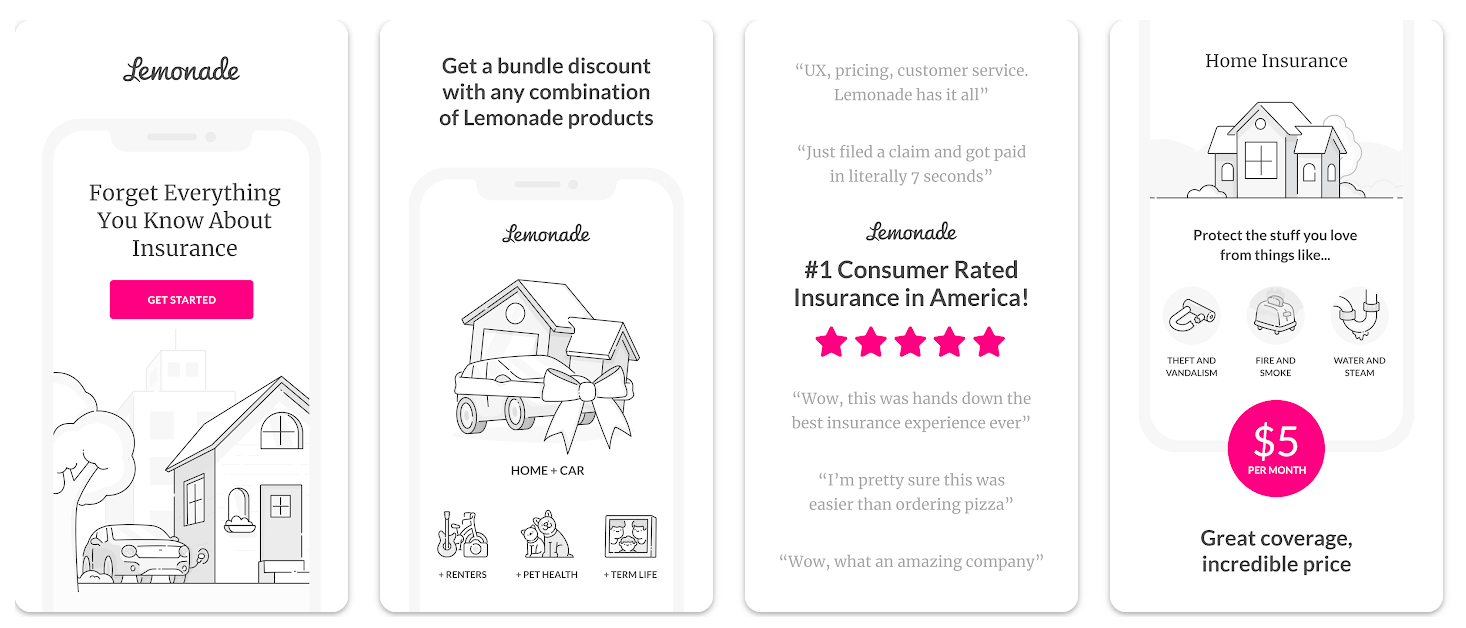
Lemonade takes a flat fee from premium, pays claims from the rest, and gives what's left to charities that members pick themselves. Since September 2016 that has come to over $8.1m, up from $50,000 in 2017 to more than $2m in 2023.
Why it works: no catalogue to source, no points to administer, nothing for the customer to do. The cheapest mechanic on this list to run.
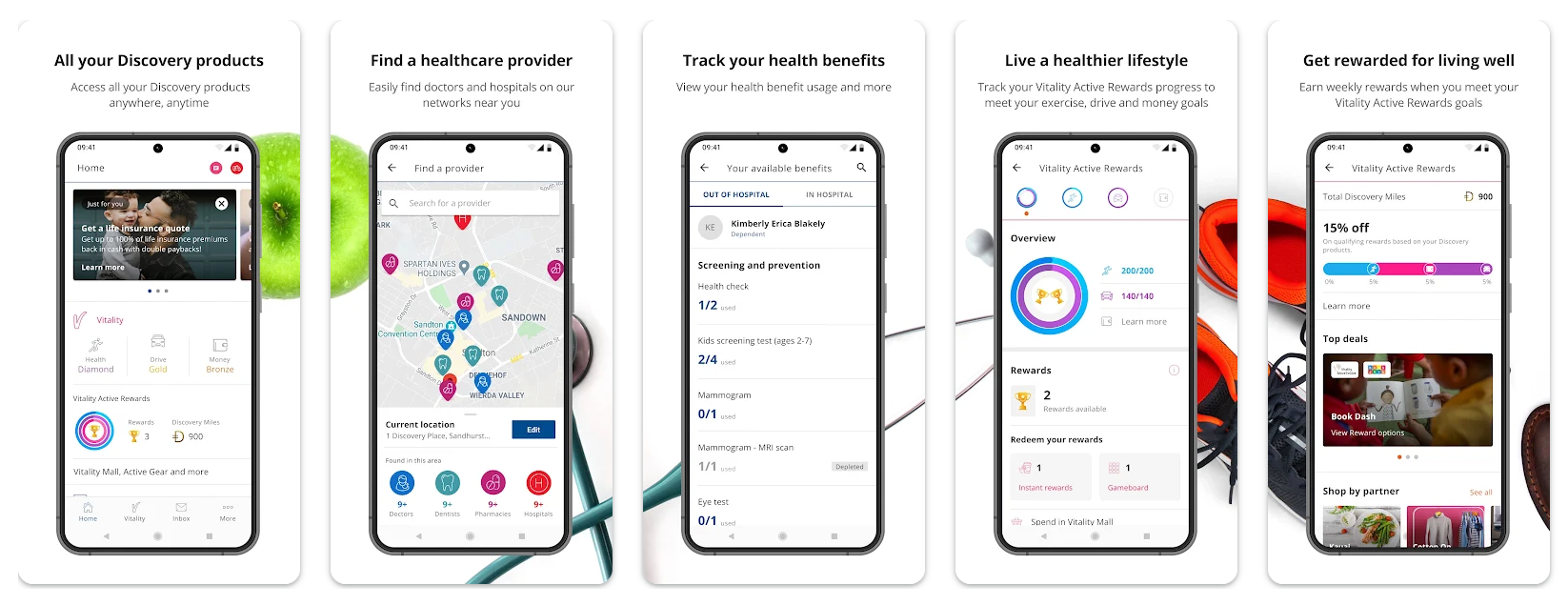
5. Vitality (Discovery and its global licensees)
Vitality started at Discovery in South Africa and now runs through John Hancock in the US, AIA across Asia, Generali in Germany and Manulife in Canada. Members get premium reductions and partner benefits for verified healthy behaviour.
What separates it from ordinary wellness marketing is the evidence. Research validated by RAND Europe found Vitality Active Rewards members were 34% more active on a sustained basis than a control group.
On the motor side, Discovery Insure reports engaged drivers with roughly 30% lower claim frequency and 34% lower claim severity. It's also one of the few loyalty programs people pay a membership fee to join.
Why it works: the rewards are funded by the risk they remove rather than by marketing budget. Reward only what improves your loss ratio, even if that's one behaviour.
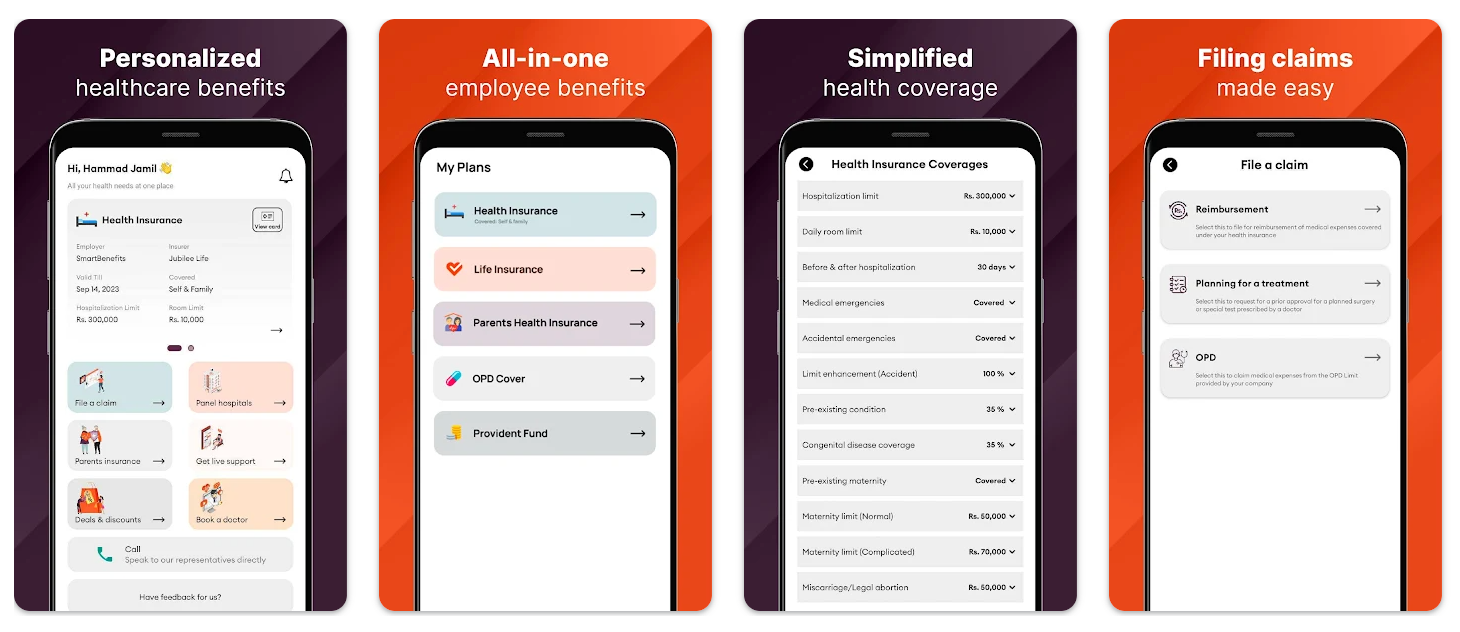
6. Allianz SmartBenefits (travel)
SmartBenefits pays travellers automatically when a flight is delayed, $100 per insured person per day, triggered by flight data they register before they travel. No form, no receipts, no phone call.
Why it works: in a line where the claim is the whole relationship, fixing the claim beats any rewards catalogue. Parametric payouts don't need Allianz's scale.
Should you build or buy?
Building in-house is the most common alternative to a platform, and for some insurers it is the right call. The honest comparison:
Build in-house | Managed platform | |
| Examples | Your own engineering team | White Label Loyalty |
| Time to launch | Longest: rules engine, wallet, tiering, reward fulfilment and admin tooling all built from scratch | Shortest: engine, rewards and fulfilment exist; work is configuration |
| Developer requirement | Continuous | Low: integration at launch, configuration thereafter |
| Who sources rewards | You | The vendor |
| Who runs it after launch | Your team, indefinitely | The vendor, if you want |
| Best fit | Insurers with spare developer capacity and a long roadmap | Teams without capacity to run a program, those needing a fixed launch date, or anyone whose earning rules will change after launch |
For a wider view of the market, see our ranked comparison of loyalty program software providers.
Two things usually decide it:
- The first is that a loyalty program is never finished: earning rules change after launch, and if every change needs a developer ticket, the program stops evolving.
- The second is reward sourcing and fulfilment, which is invisible in a build estimate and turns out to be most of the ongoing work.
One of White Label Loyalty’s insurance clients said:
"We didn't have the capacity to build anything in-house as technically capable as White Label. It's been seamless to set up and maintain, it's easy for my team to use, and I don't have to bother our engineers to make updates. I've had nothing but positive things to say. If we did it all over again, we'd pick White Label."
What should you check before choosing a loyalty platform?
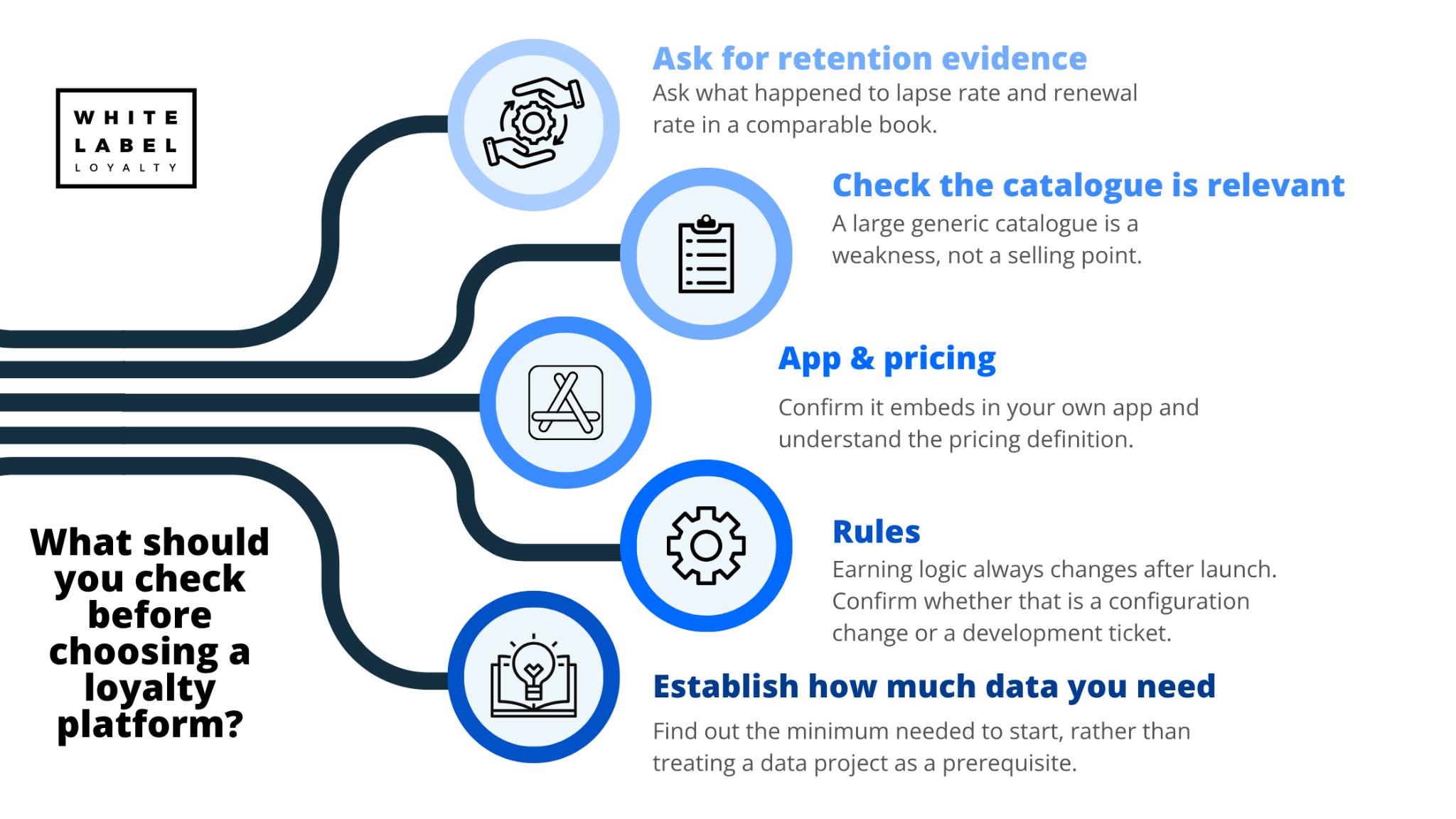
Six questions worth asking any vendor before you shortlist. Most of them only matter after launch, which is why they're easy to skip but very expensive to skip.
- Ask for retention evidence, not engagement evidence. Members enrolled and points issued are not outcomes. Ask what happened to lapse rate and renewal rate in a comparable book. Programs reporting only engagement often have low active usage underneath.
- Check the catalogue is relevant, not large. A pet insurer needs pet rewards; a health insurer needs health rewards; an expat insurer needs rewards redeemable anywhere. A large generic catalogue is a weakness, not a selling point.
- Confirm it embeds in your own app. Most insurers do not want customers leaving their app for a separate rewards site. Check whether the program runs headless behind your own front end.
- Check business users can change the rules. Earning logic always changes after launch. Confirm whether that is a configuration change or a development ticket.
- Understand the pricing definition. If pricing is per active user, establish exactly what counts as active. A program that credits points to every customer each quarter may make your entire base active by that definition.
- Establish how little data you need to launch. Many insurers hold customer data across several systems with no unified view. Find out the minimum needed to start, rather than treating a data project as a prerequisite.
How White Label Loyalty fits
White Label Loyalty is an event-based loyalty platform built for low-frequency categories like insurance, rated 4.8 out of 5 across all verified Capterra reviews. We power Wellabe Rewards, which reaches around 400,000 eligible policyholders.
Against the checklist above:
- Reward any event, not just purchases. Our loyalty engine triggers from renewals, claims, referrals, tenure milestones, content engagement or telematics scores. Wellabe members earn on birthdays, anniversaries and tenure without taking any action at all.
- Several reward types, so the program survives compliance review. Points, tiers, cashback, partner rewards and in-kind benefits, configurable per market.
- Runs behind your own app, API-first and headless, with 3,000+ integrations into systems you already use.
- We source and fulfil rewards matched to your members through a curated rewards marketplace rather than a generic catalogue: grocery delivery and audiobooks for a Medicare supplement book, not cinema tickets.
- Business users change the rules. Your team runs the program without engineering support.
- Live in weeks, with branded app or microsite, integrations and ongoing support handled.
- Multiple brands and markets on one platform via multi-tenanted architecture, with localised reward catalogues.
Conclusion
There is no single best loyalty model for insurance. There is a model that fits what your regulator allows, what data you hold, and who will run it six months after launch.
Work in that order: insurers that start with the mechanic and discover the constraints later tend to rebuild, those that start with the constraints usually launch something smaller than they first imagined, and it usually works.
If you want to talk through what would fit your book, get in touch with our experts.
Frequently Asked Questions (FAQs)
Recommended Posts
If you enjoyed this article, check out these relevant posts below.
Share this Article

Sara Rabolini
Senior Content Marketing Executive
Sara is our Senior Content Marketing Executive. She shares engaging and informative content, helping businesses stay up-to-date with the latest trends and best practices in loyalty.
Post Tags