Complete Guide to Loyalty in the Automotive Industry
Automotive loyalty runs on three main types of systems: OEM-built branded apps (like Ford Rewards or Nissan's owner program), enterprise API-first platforms built to integrate with dealership, CRM and service data (like White Label Loyalty), and ecommerce-first plug-and-play tools designed for direct-to-consumer retail rather than multi-touchpoint car ownership.
The right choice depends on how much of the customer journey your brand actually controls (direct sales versus a dealer network) and how deeply the system needs to connect to existing dealership and service infrastructure.
We'll break down how those systems differ, what to look for when choosing one, and how five leading automotive brands put loyalty into practice.
Don’t have time to read? Download this guide in PDF for later!

Why is customer loyalty important in the automotive industry?
Customer loyalty in the automotive industry is about more than repeat sales. It's a measurable retention metric that automakers track closely, and it's one of the clearest signals of brand health in a market where switching costs are high and purchases are infrequent.
- It's directly measured and reported. According to LexisNexis Risk Solutions' third annual U.S. Automotive Brand Loyalty Study, overall U.S. vehicle brand loyalty held at 51.4% in 2025, meaning just over half of new-car buyers purchased from the same brand they already owned. Ten brands beat that industry average. S&P Global Mobility's data for the same period puts the figure at a similar 51.1%, with mainstream brands (51.8%) outperforming luxury brands (48.0%).
- Cost savings. Retaining an existing customer costs less than acquiring a new one, and a loyal base reduces reliance on high-cost incentive spending to win back lapsed owners.
- Positive word-of-mouth. Loyal customers refer others, which matters more in automotive than in most categories given the size of the purchase decision.
Main challenges of brand loyalty in the automotive industry?
Creating loyalty in the automotive industry isn’t a smooth ride. Automotive brands face the following obstacles:
1. A complex purchasing journey
Buying a car is a rare, high-stakes decision. With few touchpoints and long gaps between purchases, manufacturers struggle to build lasting relationships across the ownership cycle.
2. Limited customer data and understanding
Automotive companies rely on intermediaries (dealerships, independent garages, online platforms) to interact with customers. This makes it hard to build a full picture of buyer preferences, behaviours and expectations.
Deloitte's 2026 Global Automotive Consumer Study found that consumers in markets including the UK, US and Germany place more trust in the dealership where they service their vehicle than in the manufacturer itself, which reinforces just how much of the relationship sits outside the brand's direct control.

3. Low influence over purchase decisions
The decentralised automotive industry weakens brand loyalty, as third parties have more influence over the customer journey. While manufacturers invest in innovation and marketing, final purchasing decisions often slip from their control.
Customers easily shift loyalty due to dealer recommendations, advice from independent garages, online reviews, and word of mouth. To bring customers back to the main brand for purchases and maintenance, strategies are needed to bypass these influences and reinforce loyalty directly.
Which loyalty systems are designed for automotive brands?
Not every loyalty platform is built to handle the way people actually buy and own cars: long gaps between purchases, multiple touchpoints (dealership, service centre, app), and data that's often owned by a third party rather than the brand itself. Systems built for automotive typically fall into three categories.
| System type | Examples | Best suited for | Limitation |
|---|---|---|---|
| OEM-built branded apps | Ford Rewards, Nissan's owner rewards program, Tesla's owner app | Manufacturers with strong direct brand recognition who want a single, fully-owned app experience | Built for one brand only; not designed to extend to dealer networks, partners or coalitions |
| Enterprise API-first loyalty platforms | White Label Loyalty | Automotive groups with dealer networks, multiple venues/locations, or a need to integrate with existing CRM/ePOS/service systems | Requires more setup than an out-of-the-box tool, though this is what enables deep integration |
| Ecommerce-first plug-and-play platforms | Smile.io, LoyaltyLion, Yotpo | Retail and parts/accessories ecommerce arms of automotive businesses | Built around single-checkout ecommerce flows, not multi-location, multi-touchpoint vehicle ownership |
For a full breakdown of enterprise, ecommerce and small-business loyalty platforms across industries, see our ranked comparison of loyalty program software providers.
Build vs. buy: what an OEM app actually costs
The OEM row in the table above looks straightforward (a manufacturer builds and owns its own app) but "build" carries costs that don't show up until after launch. It's worth weighing them against the alternative of licensing a platform.
| Build (OEM in-house app) | Buy (licensed platform) | |
|---|---|---|
| Time to launch | Longer: data pipes, rewards logic, tiering and UI are built from scratch | Shorter: core loyalty engine, tiering and rewards marketplace already exist; the work is configuration, not construction |
| Who maintains it | An internal team, indefinitely: engineering, legal and finance all stay involved as the program evolves | The vendor handles uptime, compliance and platform updates |
| Ongoing changes | Frequent re-tuning is normal, not a failure state: Ford moved from FordPass Rewards to Ford Rewards and devalued its Welcome Reward in 2026, while Tesla overhauled its referral and loyalty terms in March 2026, cutting cash discounts in favour of Full Self-Driving trials. Both required internal engineering, legal and product work each time | Program changes (new reward types, new tiers, new partners) are typically configuration changes rather than rebuilds |
| Best fit | Direct-to-consumer manufacturers with the engineering resource to own the roadmap long-term | Brands selling through dealer networks or coalitions, or without a dedicated in-house team to maintain a program indefinitely |
The Ford and Tesla examples aren't cited here as failures (both are large, well-resourced OEMs) but they show that an in-house program is never really "finished." It's an ongoing engineering and legal commitment, not a one-off build. That's the real cost of "build" beyond the initial launch, and it's worth weighing honestly against your team's capacity before deciding.
What features should a loyalty system have for automotive brands?
Given the challenges above, a loyalty system built for automotive needs to do more than issue points. Look for:
- Multi-location/venue support: the ability to run and measure loyalty by physical location, such as individual dealerships, so underperforming regions or sites can be identified and addressed directly.
- First-party data capture that doesn't depend on the dealer: a way to build a direct relationship with the end customer even when the sale or service happens through an intermediary.
- Integration with existing CRM, ePOS and service systems: so loyalty data connects to the systems the brand already uses, rather than sitting in a silo.
- Support for non-transactional rewards: the ability to reward behaviours beyond purchase, such as service visits, referrals or app engagement, since purchases happen too rarely to sustain a points program on their own.
- Coalition or partner-network capability: the option to extend rewards across dealerships, garages and partner brands, not just a single manufacturer storefront.
How to choose a loyalty system for your automotive brand
The right system depends on how your business actually reaches customers:
- Direct-to-consumer manufacturers (no franchised dealer network) have more flexibility to build a single branded app, since they own the full customer relationship already.
- Brands selling primarily through dealer networks generally need a platform that can operate across multiple locations and integrate with systems the brand doesn't fully control: this is where enterprise, API-first platforms tend to fit better than an OEM-style single app.
- Coalition or multi-brand groups (manufacturer plus dealership plus service partners) need a system built to support multiple tenants under one scheme, rather than a single-brand app.
- Budget and technical resource matter too: white-label loyalty programs fail more often than they should (one commonly cited industry estimate puts loyalty program failure at 75%) and a system that's too complex for the team running it is a common cause.
How can technology help build customer loyalty in the automotive industry?
1 - Personalisation for Precision
Start by leveraging loyalty programs to gather vital customer data. This information fuels personalised experiences, ensuring each interaction resonates with individual preferences. From tailored communications to customised incentives, it's about delivering the right message, to the right people, at the right time.
2 - AI Insights
Integrate AI technology with your loyalty program to unlock deeper customer understanding. Through advanced analytics, AI identifies behavior patterns, predicts churn, and highlights preferences. Armed with these insights, you can proactively address issues and anticipate needs, cementing long-term loyalty.
3 - Rewarding Loyalty, Building Bonds
Rewards shouldn't just be for newcomers. Treat existing customers like VIPs with personalised perks and exclusive offers. By fostering a sense of appreciation and value, you strengthen the bond between customers and your brand, making it more likely that they will return to you.
4 - Seamless Engagement Across Channels
Omnichannel engagement is key to staying connected with customers. Whether through a mobile app or a website, ensure a consistent and convenient experience across all touchpoints.
5 - Location-based loyalty management
White Label Loyalty’s 'venues module' allows car brands to measure and manage loyalty schemes by physical location, such as dealerships.
For instance, if data reveals that a significant portion of customers in the north region do not return to the manufacturer for services or maintenance advice, the 'venues module' can segment rewards to specific venues.
By delivering personalized incentives based on customer behavior and location, brands can effectively tailor their offerings to meet the unique needs of different regions or customer segments.
Seizing the Opportunity
With almost half of new car buyers uncertain about their next purchase, there's a prime chance to influence their loyalty. Utilising technology-driven loyalty programs can establish your brand as the top choice, turning indecisiveness into commitment.
In essence, technology isn't just a tool; it's your partner in cultivating automotive loyalty. By tailoring experiences, leveraging AI insights, and incentivising behaviour, you can create lasting bonds with your customers, and keep your brand ahead of the competition.

Best practices for loyalty programs in the automotive industry
- Subscription-based loyalty programs
The premise of a membership-based loyalty program (also known as a VIP or paid loyalty program) is that a particular brand is offering rewards so exclusive that customers must pay for them. Members aren't offered rewards in exchange for points, but their membership itself allows for access to exclusive content.
While the majority of loyalty programs offer complimentary rewards, a membership-based loyalty program focuses on the value of the rewards offered: if the loyalty program offers something that is highly desirable for members, they will be willing to pay a fee to be a part of the program.
This loyalty program type can be a powerful choice for the automotive industry: membership benefits may include priority roadside assistance, free maintenance, priority service, vehicle health alerts, and many more.
- Varied rewards through partners
This brings us to the second best practice for customer loyalty in the automotive industry: brands should offer a great variety of valuable and effective rewards, also available through partners.
The key is convenience: members of the loyalty program should be able to enjoy benefits like a free treat or drink at their favourite location, get a discount on car parts at a body shop, or even receive a free car wash instead of paying for extra maintenance.
- Coalition loyalty programs
Another great type of loyalty program for car brand loyalty is a coalition loyalty program. Uniting several brands under one singular reward scheme can allow manufacturers, dealerships, car rentals, repair or bodywork garages to all work together in creating the best experience for their customers.
Customers can earn points by purchasing services at any of the locations and from all the connected brands, and can then be spent at all of the partners’ stores and locations too.
Using the right loyalty infrastructure, a large number of different sites can easily join one loyalty platform, allowing administrators to manage data and marketing.

- Continuous engagement
Car brands that want to achieve true loyalty should stay in touch with customers through various touchpoints, such as post-purchase follow-ups, incentivising them to have their car services at the branded garage and choosing branded services with personalised rewards.
The right loyalty technology gives you access to first-party data so you can have a closer look at consumer behaviour and preferences, through many different touchpoints.
- Personalised incentives
Here are some reward ideas for customer loyalty in the automotive industry:
- Free car wash: redeem points for a free car wash with a business partner.
- Brand events: invitations to exclusive brand events, such as the presentation of a new car model.
- Free maintenance: free (or discounted) maintenance is a great way for your customers to redeem points while still being associated with your brand.
- Discounts for extending warranty or insurance: vouchers for these services are a powerful tool to get customers to stick to your brand. If you're offering valuable rewards, why would they look for something else?
- Priority service: this works especially well if you are running a tiered loyalty program, effectively incentivising customers to choose branded services to climb up the tiers and get exclusive rewards and offers.
- Discounts on car fares: if you're a car rental service, reward your most active customers with discounts on future journeys, effectively increasing customer lifetime value.
- Free trials: use free trials as a reward, for example offering something like enhanced driving assistance for a period to active members.
The top 5 examples of best loyalty programs in the automotive industry
1. Volkswagen
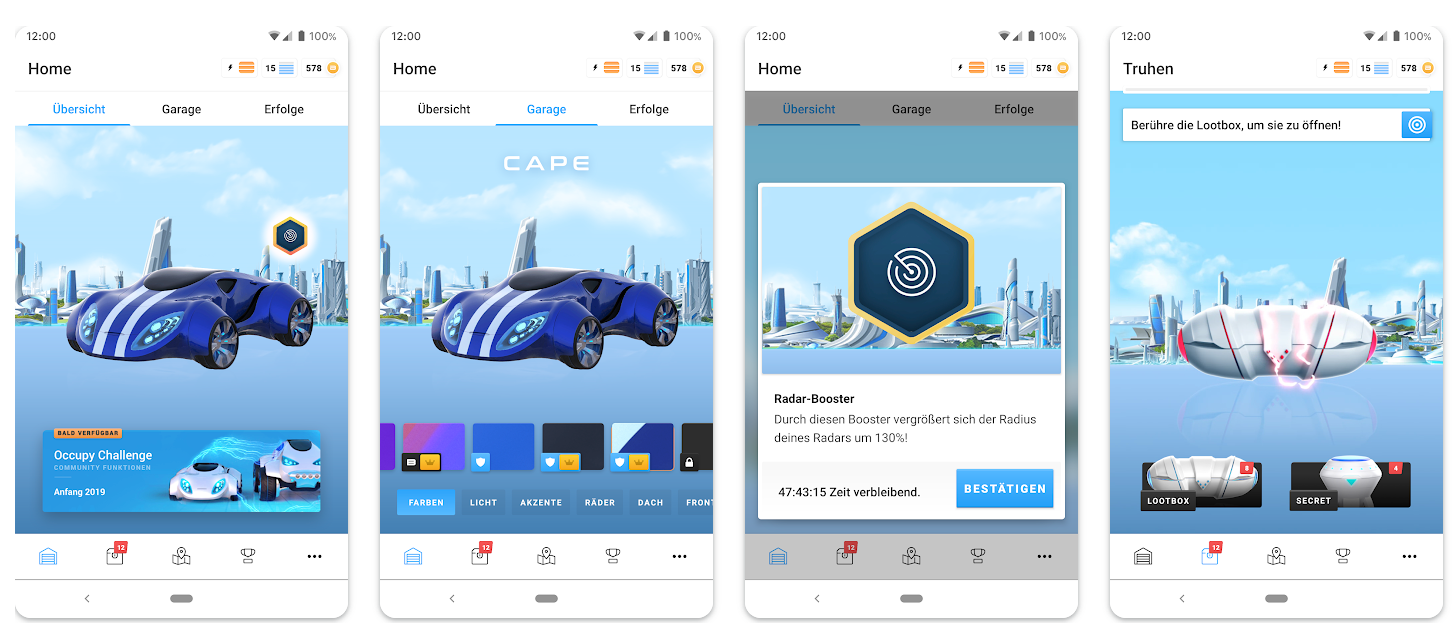
Volkswagen’s BONEO program uses gamification (challenges, loot-box-style rewards and a digital car avatar called a "Carvatar") to keep members engaged with the app well beyond the initial purchase.
Perks included free car cleaning, drinks, VIP event tickets and use of an elite Porsche model. BONEO was run as a Volkswagen Group loyalty pilot; brands considering a similar gamified approach should confirm current availability and scope directly with Volkswagen, as pilot programs of this kind can evolve or wind down over time.
2. Nissan
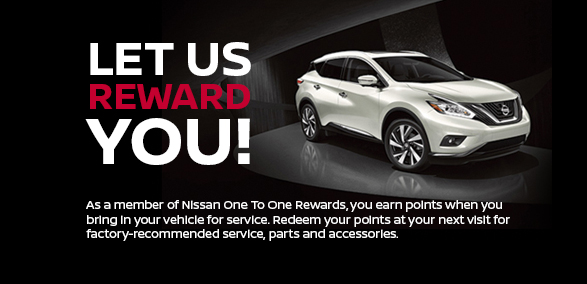
Nissan's loyalty program allows members to earn rewards for actions they would’ve done already, like taking care of their vehicle, and to apply their rewards at their dealership of choice.
Members can earn points not just for buying a new vehicle (but they can earn points by doing so - receiving a whopping $250 discount for the next vehicle purchase), but also for spending money on vehicles, parts and services.
Points can then be redeemed for services of your choice like oil changes and tire rotations, but also exclusive access to special offers and savings on service and new vehicle purchases.
3. Tesla
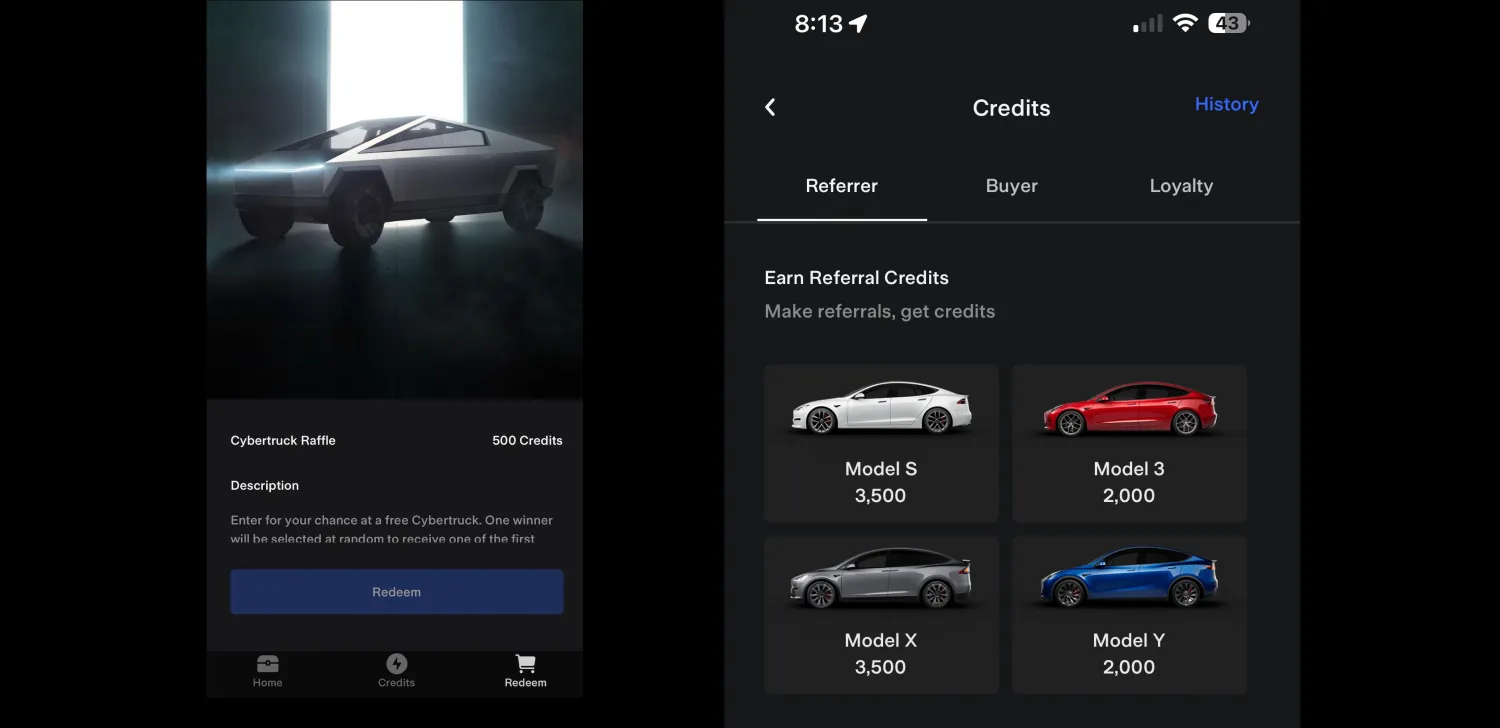
Tesla's referral and loyalty program has changed substantially and repeatedly, most recently in a March 2026 overhaul: cash discounts for Model 3, Model Y and Cybertruck referrals were replaced with three months of Full Self-Driving (Supervised), and the existing-owner loyalty discount was cut. Model S and Model X were removed from the program entirely ahead of their production end.
Tesla's approach illustrates a different lesson than the others on this list: a loyalty program tied closely to a single evolving product strategy will change often, and specifics should always be checked at the time of writing rather than assumed static.
4. Ford
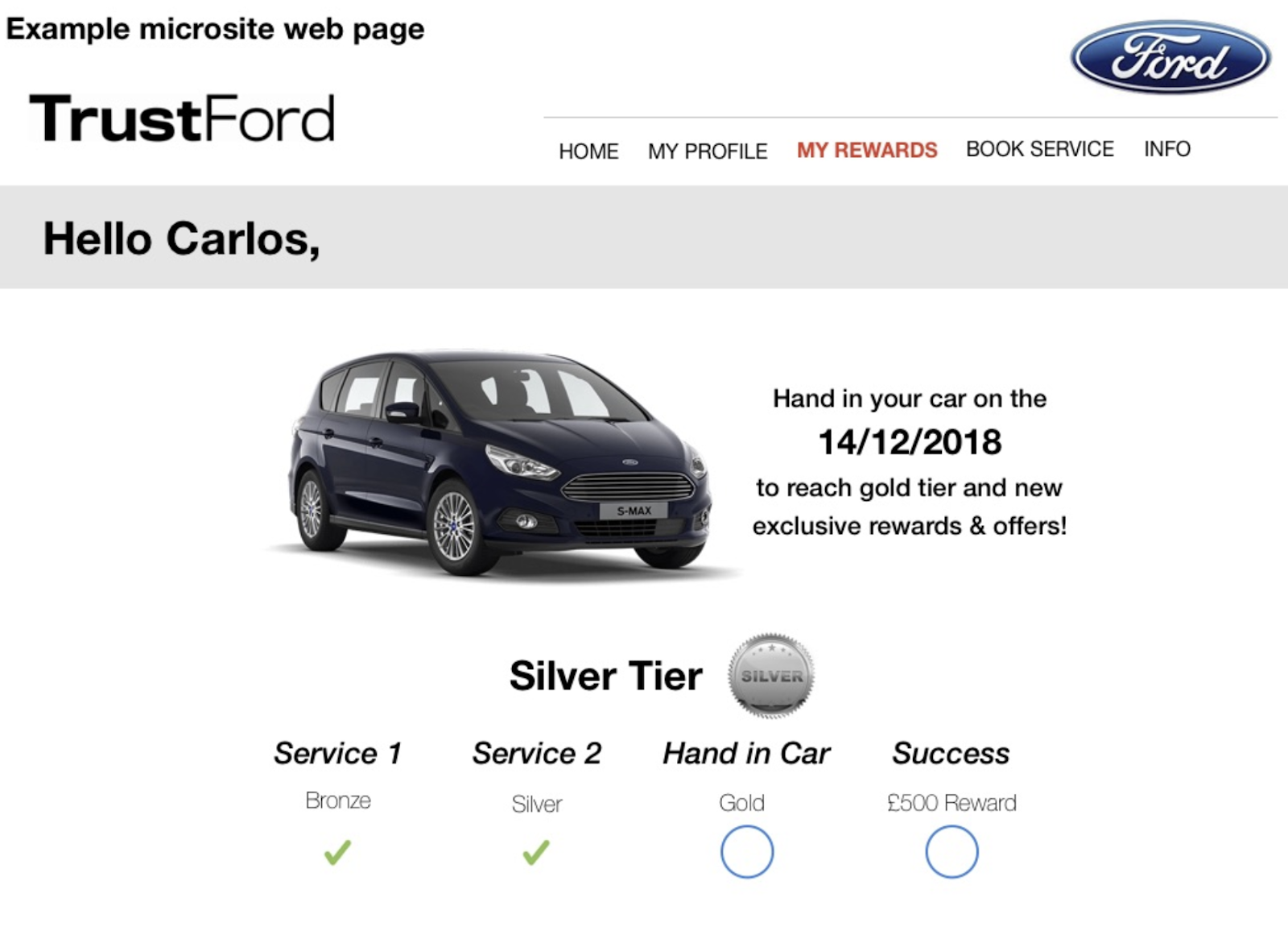
Ford Rewards (rebranded from FordPass Rewards) lets owners earn points on service, parts, accessories and vehicle purchases, redeemable for future service, parts or a next vehicle.
The program runs on a Bronze–Silver–Blue tier structure, with the "Welcome Reward" for new purchases adjusted downward in 2026 as part of a broader program devaluation, and Ford's earlier co-branded rewards credit card replaced with a new Ford Rewards Visa Signature Card offered through Bread Financial. It's a clear example of how OEM loyalty programs are actively tuned over time, not set-and-forget.

5. Europcar
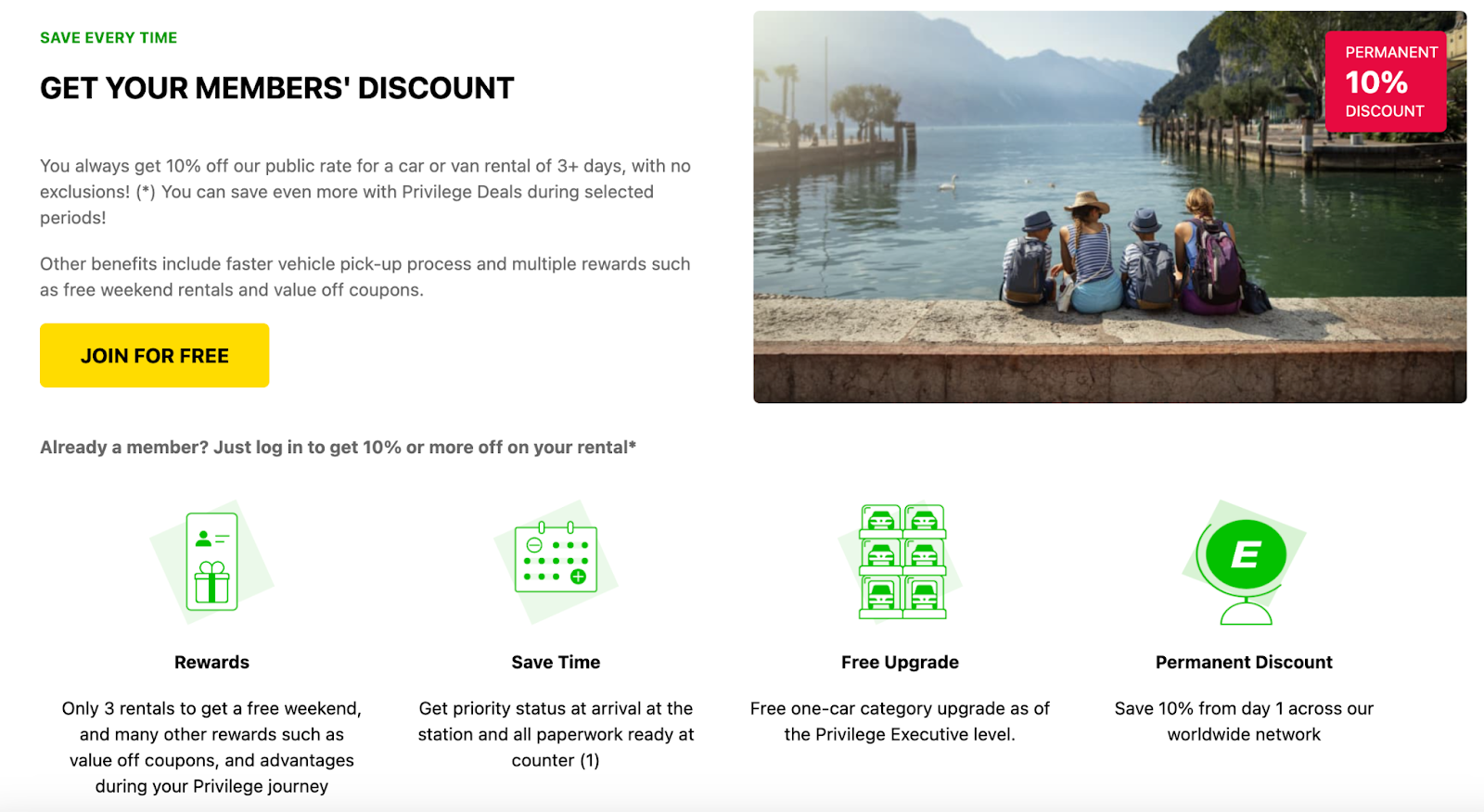
One of the best car rental loyalty programs is Europcar's hybrid model, combining permanent perks and tiers to reward long-term loyalty.
The loyalty program offers members 4 tier levels based on the number of rentals or rental days with Europcar over a 24 months period.
Top-tier members can get a one-year Priority Pass membership for airport lounges and a double complimentary car upgrade as part of the tiered program.
All members can receive a 10% off the public rate for a car or van rental of 3+ days, priority service and a free one-car category upgrade.
Europcar also has a separate program dedicated to business executives, effectively targeting multiple demographics at once.
Conclusion
In the race for automotive loyalty, technology fuels success by overcoming obstacles and helping you become the brand of choice.
A successful loyalty program in the automotive industry helps brands drive customer retention and acquisition, boost brand advocacy, increase customer referrals and contribute to long-term business growth.
If you’re ready to start your loyalty journey, get in touch with our experts.
Recommended Posts
If you enjoyed this article, check out these relevant posts below.
Share this Article

Sara Rabolini
Senior Content Marketing Executive
Sara is our Senior Content Marketing Executive. She shares engaging and informative content, helping businesses stay up-to-date with the latest trends and best practices in loyalty.