Loyalty Programs in Oceania: Trends & Top Examples
Oceania may be one of the world's smallest continents by population, but when it comes to loyalty programs, it punches well above its weight.
Australia and New Zealand have developed some of the most mature and innovative loyalty ecosystems in the Asia-Pacific region, and together, they offer a compelling blueprint for brands looking to build lasting customer relationships in digital-first, value-driven markets.
In this article, we take a continent-level view: unpacking the loyalty trends shaping Oceania, highlighting the standout programs from both countries, and identifying the opportunities brands shouldn't miss.
If you want to learn more, you could also check:
- Top Loyalty Programs in Australia: A Comprehensive Guide
- Top Loyalty Programs in New Zealand: Trends & Insights
- Loyalty Programs in South America: Trends & Examples
- Global Customer Loyalty Report
The Oceania loyalty landscape: an overview
Oceania's loyalty market is defined by a handful of characteristics that set it apart from other regions:
- Exceptionally high participation rates. In New Zealand, 97% of consumers are members of at least one retail loyalty program. Australia tells a similar story, with airline, supermarket, and banking programs collectively reaching tens of millions of members.
- A duopoly at the top. In Australia especially, Qantas Frequent Flyer and Woolworths Everyday Rewards dominate market share, setting a high bar for program value and experience that smaller brands must contend with.
- A rapidly evolving digital layer. Both countries have seen legacy programs retire (Australia's original Fly Buys format, New Zealand's AA Smartfuel) and be replaced by more agile, app-first solutions. Consumers in Oceania have welcomed this shift.
- Cross-Tasman integration. Programs like Woolworths Everyday Rewards operate seamlessly across both Australia and New Zealand, reflecting the close economic and cultural ties between the two countries.
Key loyalty trends across Oceania
Oceania's loyalty market doesn't move in isolation. Shaped by high digital adoption, a strong travel culture, and consumers who are both savvy and demanding, the region has developed a set of loyalty dynamics that are distinctly its own.
Across Australia and New Zealand, several trends are converging, and together, they're raising the bar for what a great loyalty program looks like.
1. Digital-first acceleration
Loyalty cards are quickly becoming a relic of the past across Oceania, in favor of digital-first brands. Consumers in both countries now expect to manage their memberships, track points, and redeem rewards entirely through mobile apps, and brands that haven't made this shift are feeling the pressure.
McDonald's "Maccas Rewards" in New Zealand is a standout example: a fully gamified, app-based program that rewards purchases with points and interactive challenges, designed specifically for a mobile-native generation.
2. Travel as the ultimate loyalty currency
Unlike many markets where supermarket points dominate, Oceania's loyalty ecosystem is deeply intertwined with travel.
Air New Zealand's Airpoints program and Qantas Frequent Flyer function as everyday spending ecosystems where consumers earn points at the petrol station, the supermarket, and the wine merchant, then redeem for flights and upgrades.
This travel-aspirational dynamic gives loyalty programs in Oceania an emotional power that purely transactional schemes can't match.
3. Coalition and supermarket integration
The supermarket sector is a battleground for loyalty across Oceania. Woolworths Everyday Rewards, Flybuys (via Coles), and New World Clubcard in New Zealand all compete to become the default point-earning platform for daily grocery shopping.
What's interesting is how these programs connect outward: Woolworths points convert to Qantas miles, New World Clubcard lets shoppers choose between Airpoints or in-store credit. The result is a rich coalition-like experience built on everyday, high-frequency spending.
4. Proprietary programs on the rise
With coalition programs under consolidation and consumer data regulations tightening, more brands across Oceania are building proprietary loyalty solutions. Owning the customer relationship, and the first-party data that comes with it, is increasingly seen as a strategic advantage rather than an operational burden.
5. Sustainability as a loyalty lever
Younger Oceanian consumers, particularly in New Zealand, are increasingly choosing brands that reflect their values. Programs that reward eco-conscious behaviour, such as recycling, sustainable purchasing, or charity donations, are gaining traction.
Z Energy's Smiles program, for example, lets members convert points into charitable donations alongside traditional fuel discounts.
Top loyalty programs in Australia
Australia's loyalty landscape is anchored by three sectors: retail, airlines, and banking. Here are the programs defining the market.
Qantas Frequent Flyer
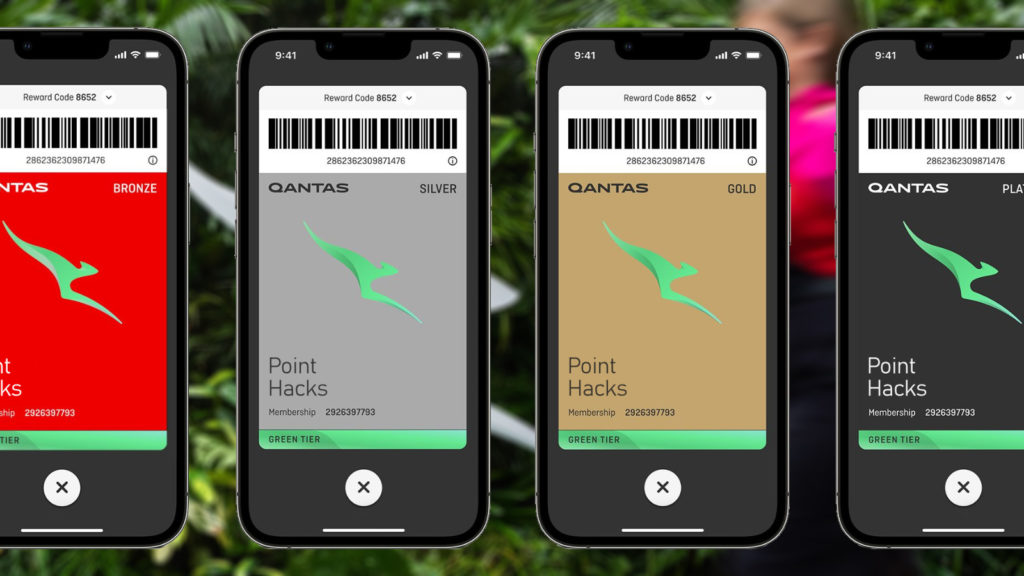
The undisputed giant of Australian loyalty, Qantas Frequent Flyer rewards members across flights, credit card spending, and a vast partner network.
Points can be redeemed for flights with Qantas and partner airlines, upgrades, hotels, car hire, and shopping via the Qantas Rewards Store. A tiered membership structure adds aspirational value, with higher tiers unlocking lounge access, priority boarding, and exclusive offers.
Why it works: About 65% of all Qantas points are now earned from non-flight activity, primarily credit card spending, making the program a true parallel currency in everyday Australian life.
Woolworths Everyday Rewards
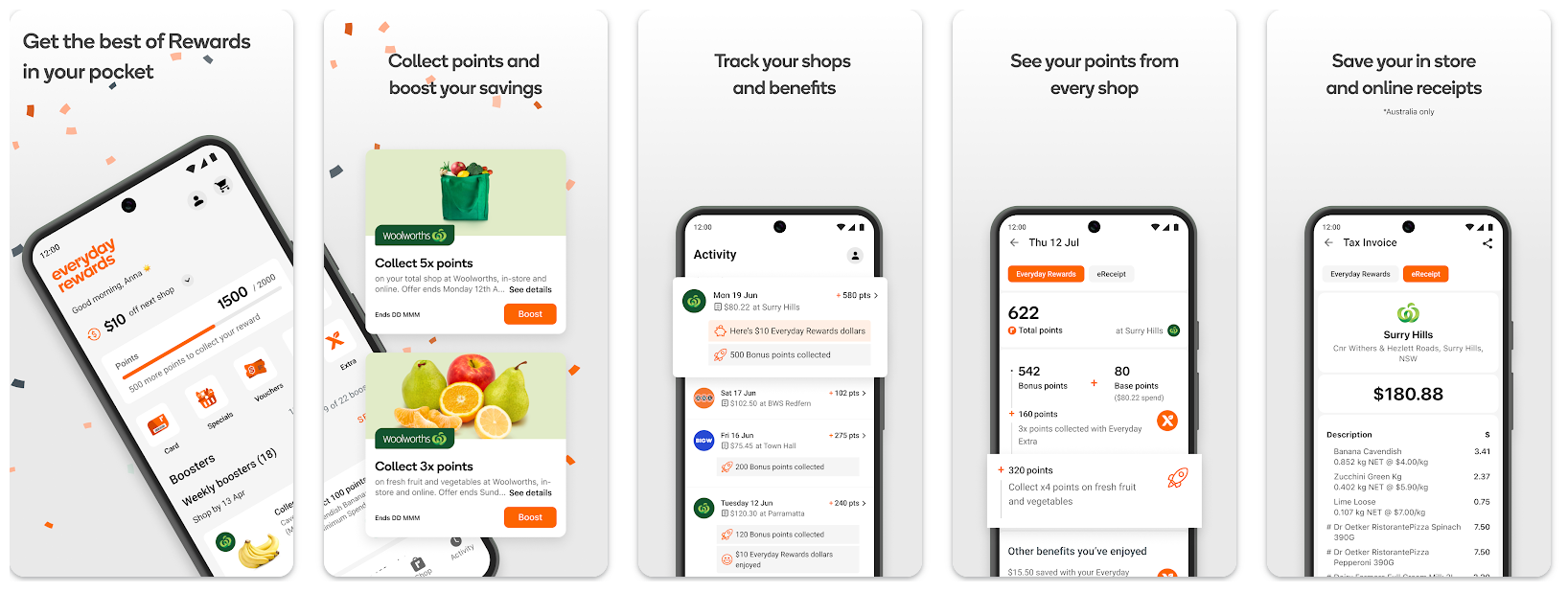
With members spanning both Australia and New Zealand, Woolworths Everyday Rewards is one of the most comprehensive supermarket programs in the region.
Members earn points on groceries, fuel, and purchases at Woolworths-affiliated stores, and can redeem them for discounts or convert them into Qantas Points. The addition of "Member Prices" (lower prices for loyalty members on selected products) has deepened engagement significantly.
Why it works: The program bridges daily utility (grocery savings) with aspirational rewards (travel), making it relevant to almost every type of Australian consumer.
Flybuys
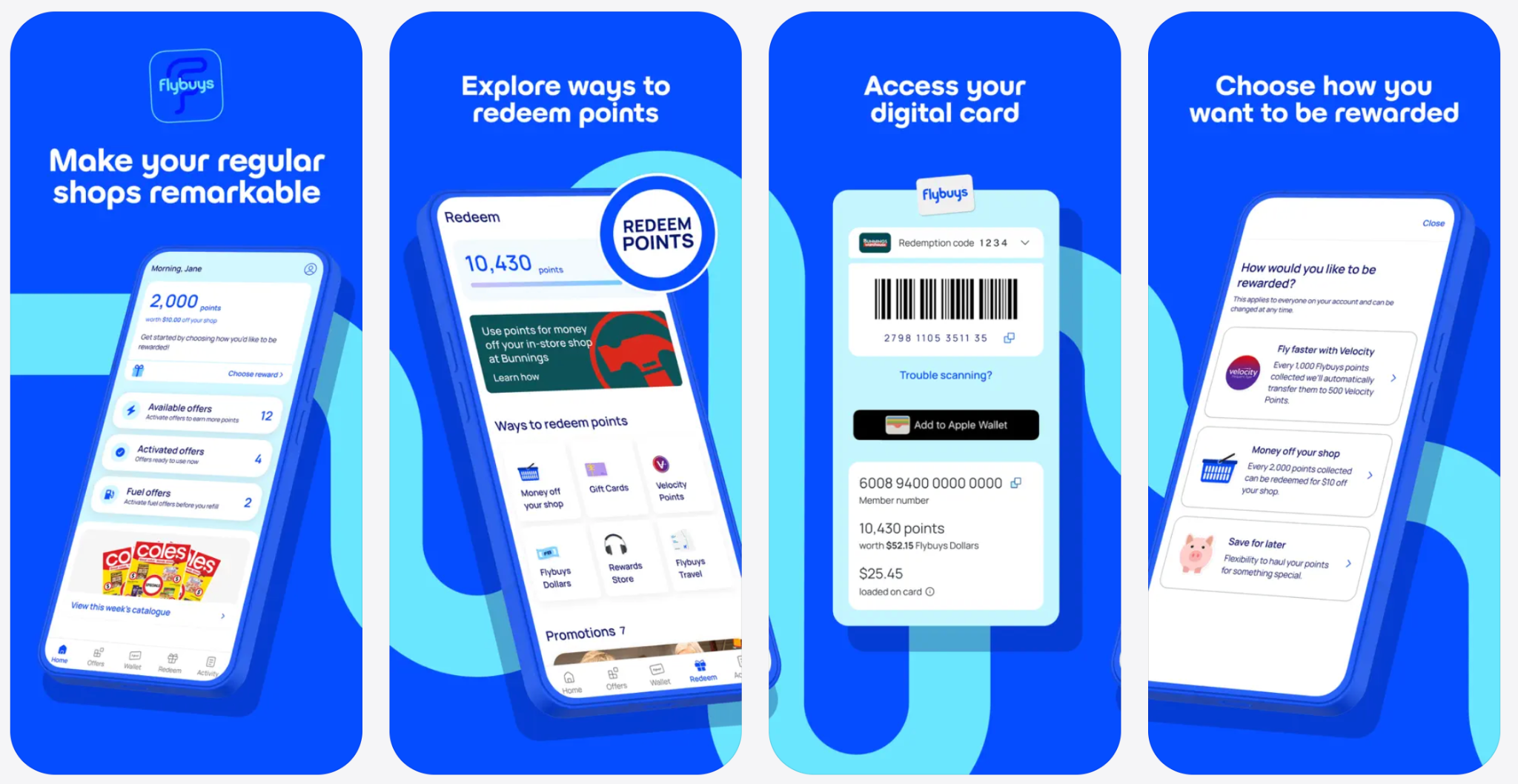
Australia's other major retail coalition program, Flybuys, partners with Coles, Kmart, Target, and Virgin Australia, among others.
The recent launch of Flypay, an online payment service that automatically earns Flybuys points at checkout, has moved the program closer to a card-linked loyalty model, reducing friction and boosting everyday engagement.
Why it works: Flybuys has successfully evolved with consumer behaviour, embedding itself in both physical retail and digital commerce.
Virgin Australia Velocity Frequent Flyer
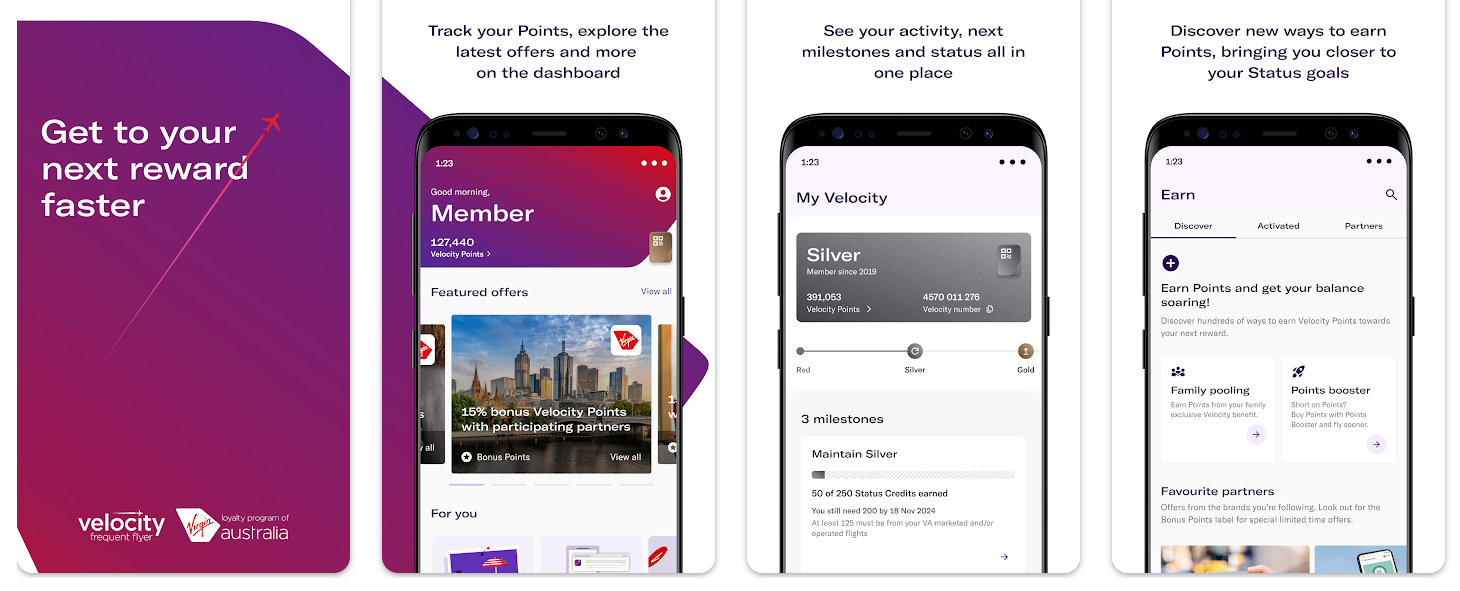
With 12 million members, Velocity is Australia's third-largest loyalty program. Members earn points on flights, everyday purchases, and partner transactions, and benefit from co-branded credit cards that transfer points automatically. Velocity Points don't expire as long as members remain active: a meaningful design choice that reduces churn.
Why it works: Velocity competes with Qantas Frequent Flyer by offering a slightly more accessible and flexible earning structure, appealing to both frequent and occasional travellers.
Top loyalty programs in New Zealand
New Zealand's loyalty market has undergone significant transformation in recent years, with legacy programs exiting and a new generation of digital-first solutions stepping in.
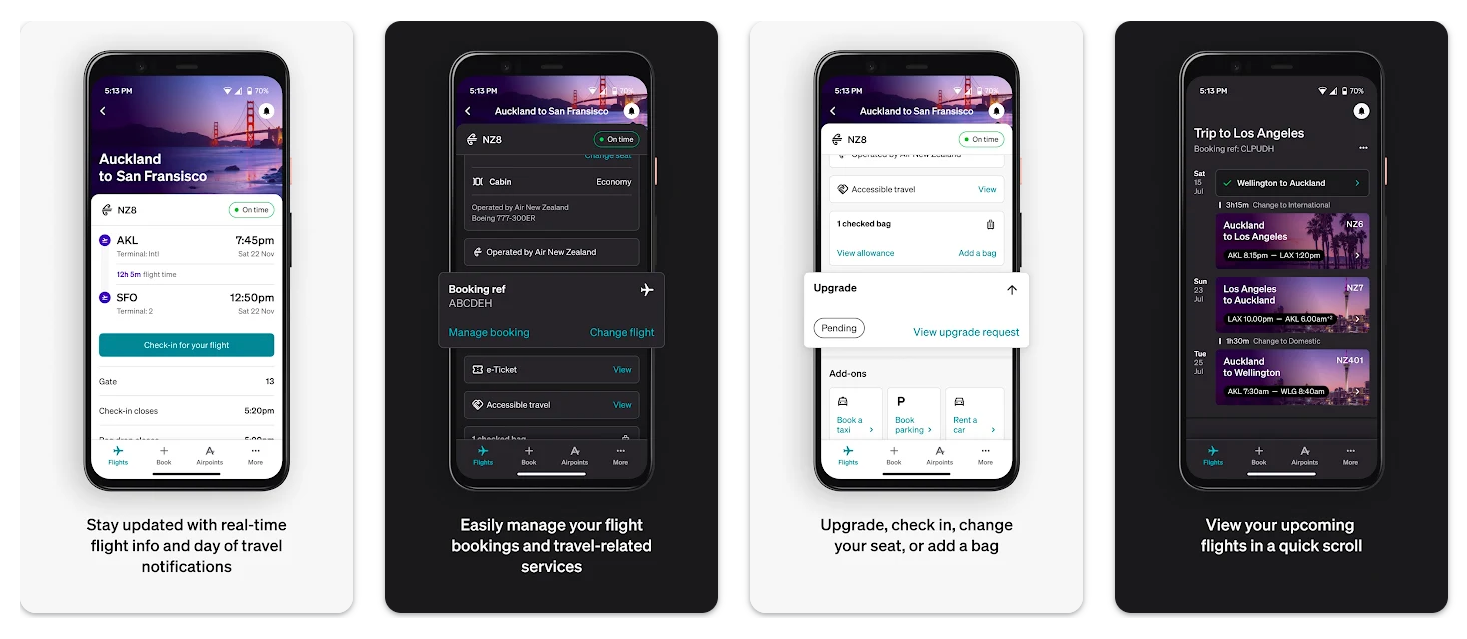
Air New Zealand Airpoints
As in Australia, travel is the emotional centrepiece of loyalty in New Zealand. Airpoints Dollars are earned on flights, everyday purchases, and via an extensive partner network: from credit cards to insurance to wine merchants. Air New Zealand's Star Alliance membership means members can also earn and redeem with partner airlines worldwide.
Why it works: Airpoints taps into New Zealanders' cultural love of travel and creates a program that feels meaningful even on a quiet week between flights.
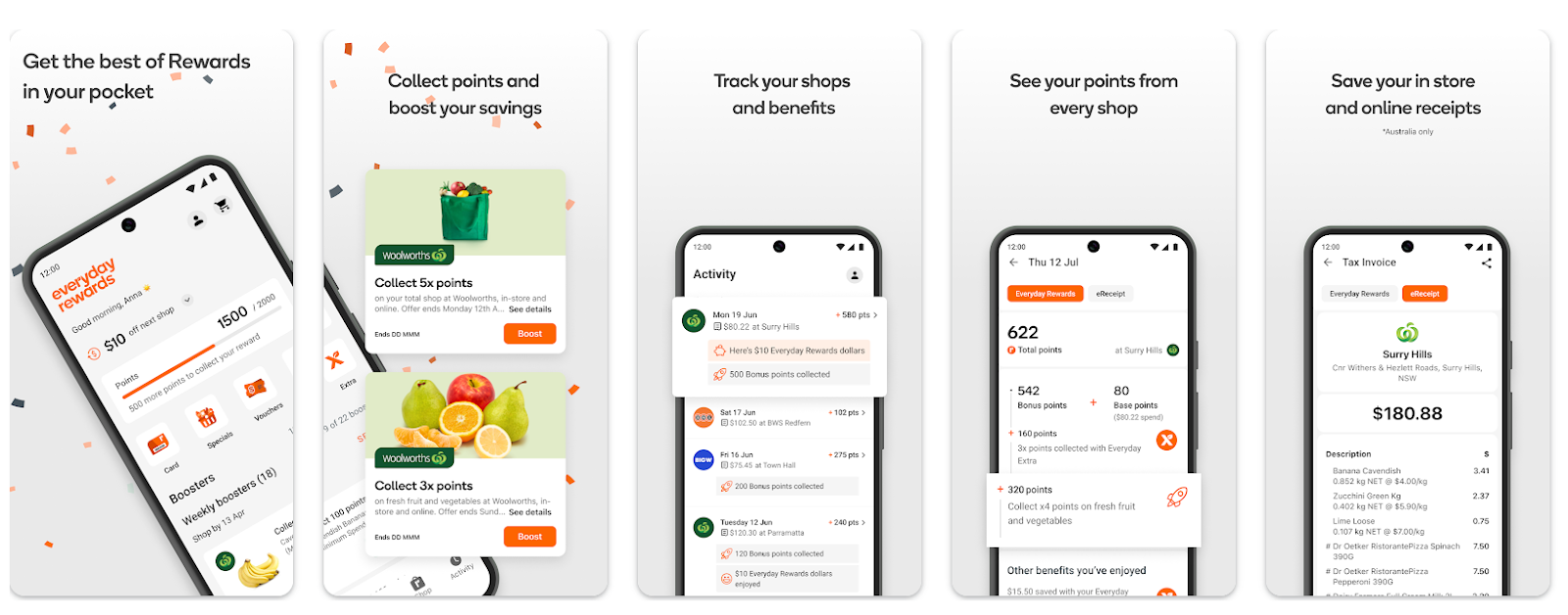
Woolworths Everyday Rewards (NZ)
Originally the Countdown Onecard, this program was rebranded in 2023 and expanded its partner network to include BP fuel stations and Bunnings Warehouse. The cross-Tasman consistency gives travellers between the two countries a seamless loyalty experience.
Why it works: By integrating fuel, DIY, and groceries, the program covers the full scope of a household's regular spending.
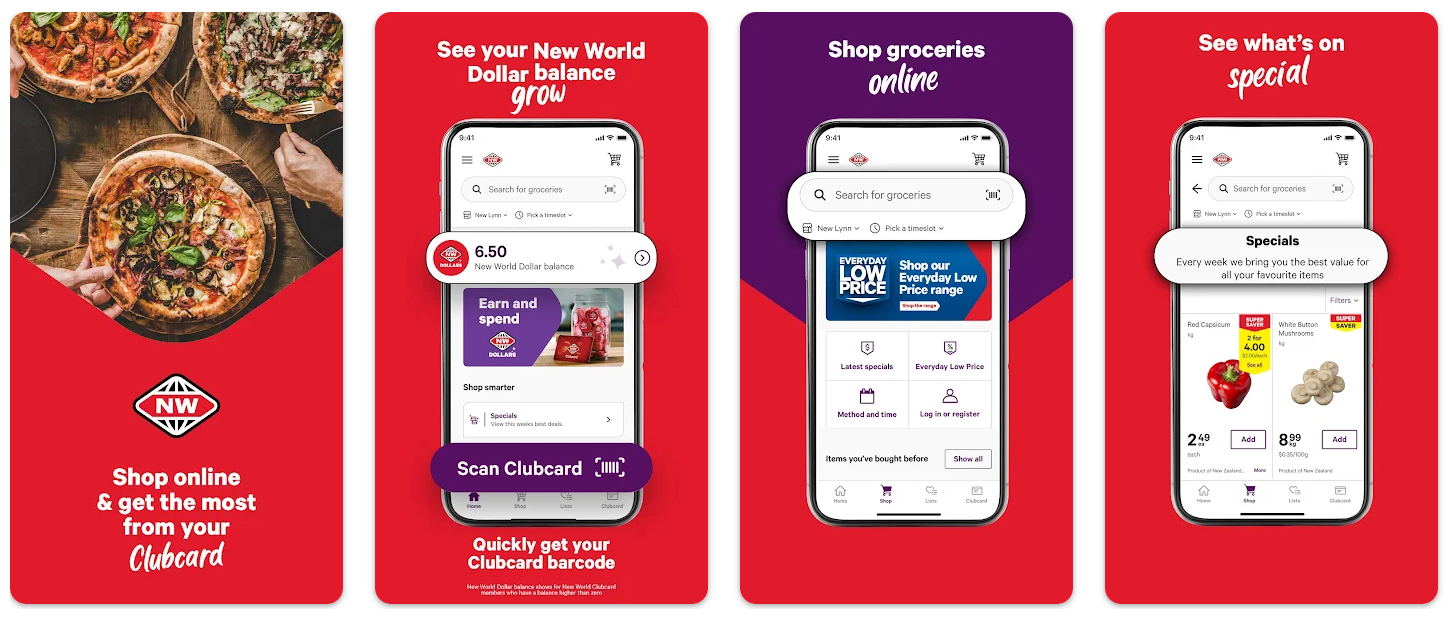
New World Clubcard
New World's Clubcard stands out for its reward flexibility: members can choose to earn Flybuys points, Airpoints Dollars, or New World Dollars to spend in-store. In a market of largely rigid programs, this choice-driven approach feels genuinely customer-centric.
Why it works: Letting the customer define value is a powerful differentiation strategy, and it fosters the sense of a genuine relationship rather than a transaction.
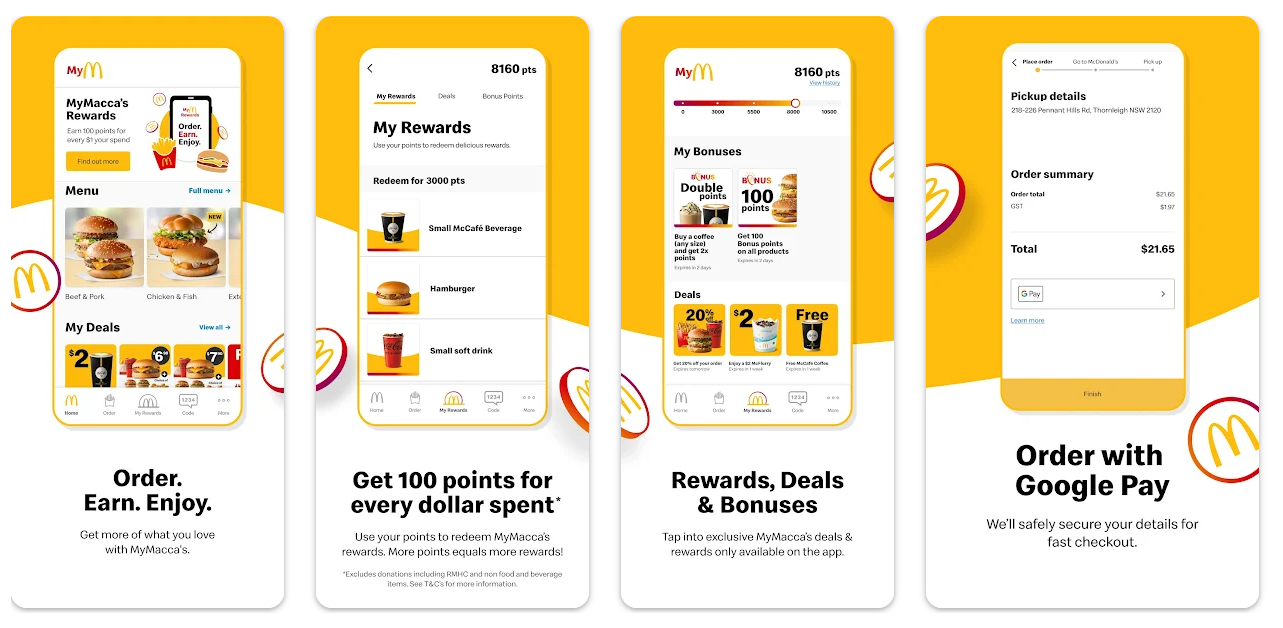
Maccas Rewards
McDonald's New Zealand's app-based loyalty program rewards members with points and exclusive offers, using gamification mechanics (challenges, birthday surprises, milestone badges) to keep engagement high between visits.
Why it works: Behavioural design drives habit. By making loyalty feel like a game, Maccas Rewards keeps McDonald's top of mind for the digital generation.
What Oceania can teach the rest of the world
Looking at Oceania's loyalty landscape, a few lessons stand out for brands operating in any market:
- Aspirational rewards outperform purely transactional ones. When loyalty is tied to something meaningful like the next holiday, engagement runs deeper and churn runs lower.
- Coalition wins when it's natural. Woolworths + fuel + travel isn't a forced coalition; it mirrors how consumers actually live. The best multi-partner programs feel like a lifestyle, not a marketing exercise.
- Flexibility signals respect for the customer. New World Clubcard's choice-of-reward model is a small design decision with a big message: we trust you to know what matters to you.
- Owned programs are a data asset. As the market matures, the brands gaining competitive advantage are those treating their loyalty platforms as first-party data engines, not just points ledgers.
Building a loyalty program for the Oceania market
Whether you're a retailer, hospitality brand, or service business entering or expanding in Australia or New Zealand, the bar set by Qantas, Woolworths, and Airpoints is high, but the opportunity is real.
White Label Loyalty's flexible, API-first platform helps brands of all sizes build exactly this kind of loyalty experience: from simple earn-and-burn schemes to sophisticated, data-driven programs with personalised campaigns, gamification, and multi-partner earning.
Brands like Burger King have launched programs in as little as three months using our platform, achieving a 44% repeat visit rate from day one.
If you're ready to build a loyalty program that resonates with Oceanian consumers, get in touch with our team.
Recommended Posts
If you enjoyed this article, check out these relevant posts below.
Share this Article

Sara Rabolini
Senior Content Marketing Executive
Sara is our Senior Content Marketing Executive. She shares engaging and informative content, helping businesses stay up-to-date with the latest trends and best practices in loyalty.