Loyalty Programs in South America: Trends & Examples
Loyalty programs in South America are evolving fast, with the market projected to exceed $8.7 billion by the end of the decade, driven by rapid fintech adoption, mobile-first consumers, and economic pressures like inflation.
The region has moved beyond traditional points-based systems toward real-time, transaction-driven rewards embedded directly into everyday experiences. From digital wallets to e-commerce super apps, loyalty is becoming part of how people pay, shop, and interact with brands.
For businesses, this shift presents both a challenge and an opportunity. Legacy loyalty models built around delayed rewards and rigid structures are struggling to keep up, while more flexible, event-driven approaches are enabling brands to deliver instant value and deeper engagement.
In this article, we’ll explore how LATAM loyalty programs work today, the key trends shaping the market, and what brands can learn to stay competitive in this rapidly changing landscape.
If you're interested in more specific insights, you can check out:
- Best loyalty programs in Peru: Trends & Best Practices
- Best loyalty programs in Chile: Trends & Best Practices
- Best loyalty programs in Argentina: Trends & Best Practices
- Best loyalty programs in Colombia: Trends & Top 5 Examples
TL;DR: What makes LATAM loyalty programs unique?
- Loyalty is dominated by fintech, wallets, and marketplaces
- Cashback and instant rewards outperform traditional points
- Programs are mobile-first and app-based
- Ecosystems (not single brands) drive engagement
- The market is growing rapidly, expected to exceed $8B+ by 2030
For brands, this means traditional, rigid loyalty platforms struggle to keep up: flexible, event-based systems are becoming essential.
What is the loyalty program landscape in South America?
Loyalty programs in South America are fast-evolving, highly localized, and increasingly digital-first.
Unlike Europe or the US, where airlines and credit cards dominate, South America’s loyalty ecosystem is shaped by:
- Fintech innovation
- E-commerce super apps
- High mobile adoption
- Economic factors like inflation
This has led to a shift away from traditional points-based systems toward real-time, transaction-driven rewards.
This shift is exactly why many brands are moving toward event-based loyalty platforms like White Label Loyalty, which allow businesses to trigger rewards dynamically based on customer behavior, and not just transactions.
Types of loyalty programs in South America
South America’s loyalty landscape is diverse, with programs spanning airlines, retail, fintech, and digital ecosystems.
Each category reflects how consumers interact with brands daily (whether through travel, shopping, or mobile payments), making it essential for businesses to understand the different models shaping engagement across the region.
1. Airline loyalty programs (the original leaders)
Airline programs were the first large-scale loyalty ecosystems in the region and remain highly influential.
Examples:
- Smiles (Brazil)
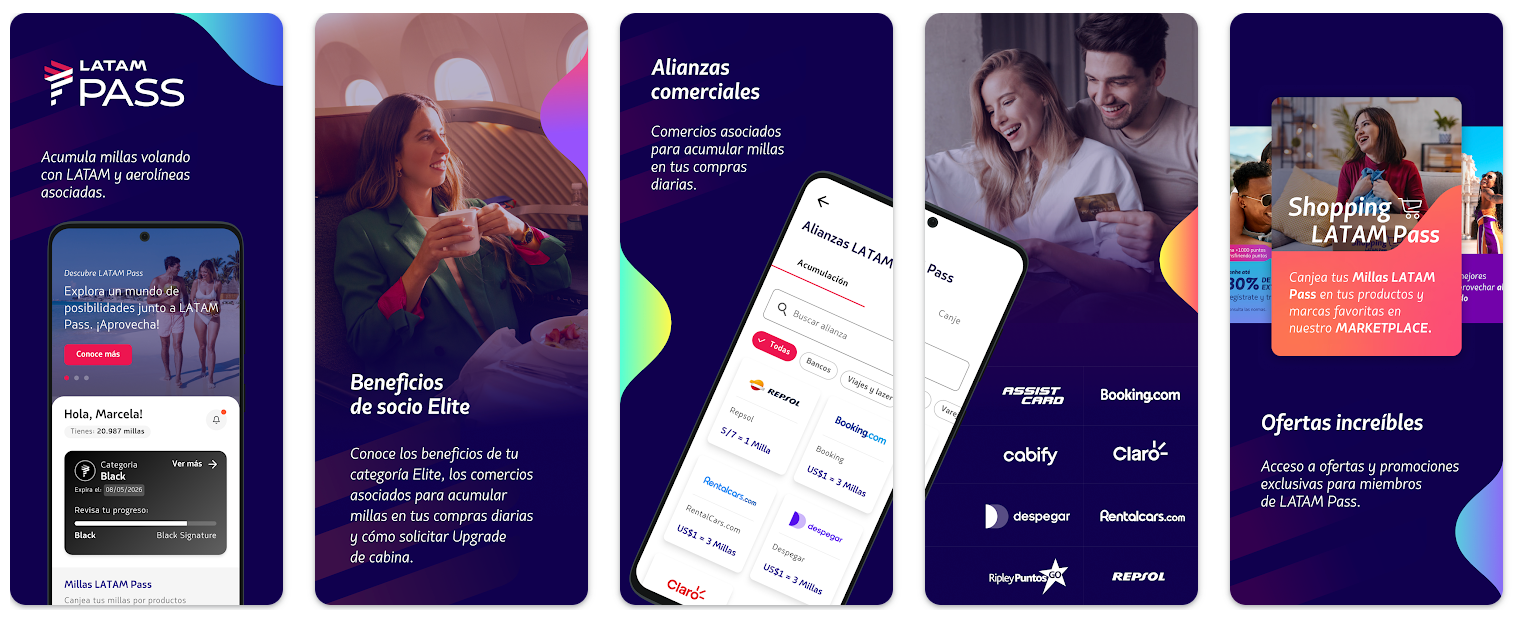
- LATAM Pass (multi-country)
Key features include: miles-based rewards, tiered status systems, and extensive partner ecosystems (banks, hotels, retail). In South America, airline miles often function like a parallel currency, not just a reward.
2. Retail and coalition loyalty programs
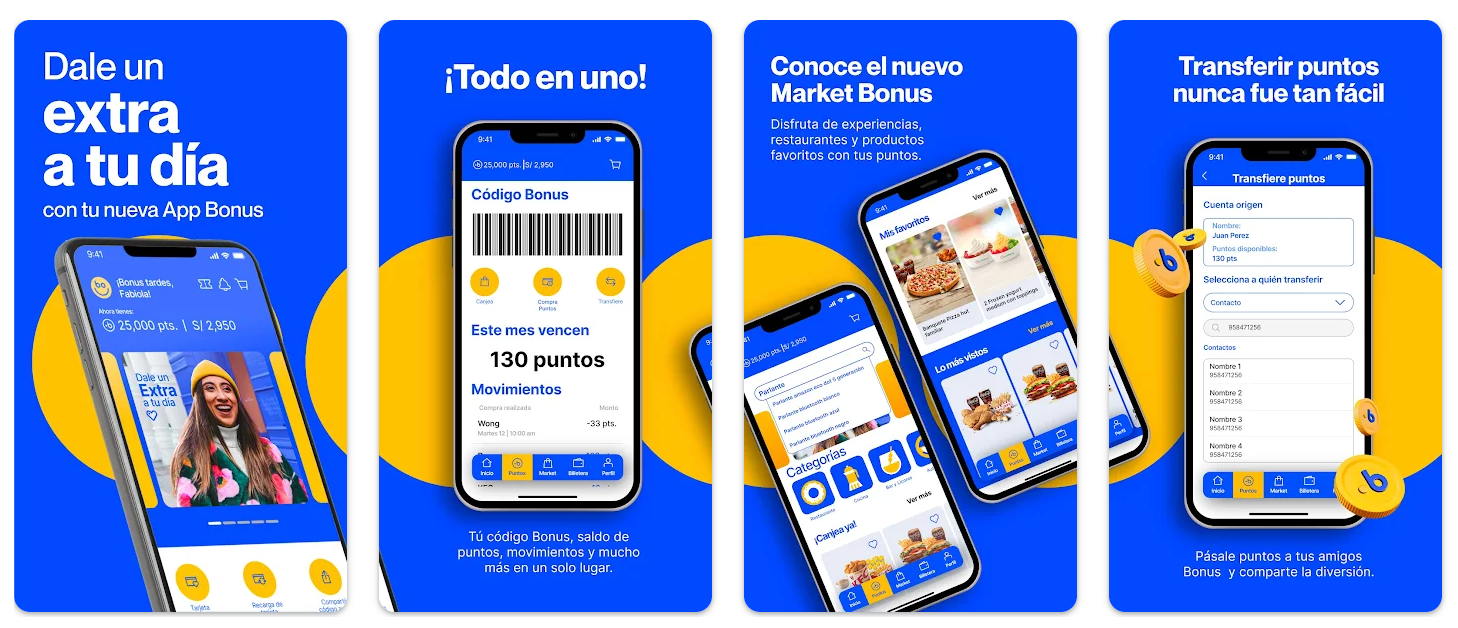
Retailers and supermarkets dominate everyday engagement through coalition-style programs.
Examples:
- Dotz (Brazil)
- Cencosud Points (Chile, Argentina, Colombia)
- Puntos Colombia
Key features include: multi-brand earning and redemption, discounts and promotions, and high frequency usage (groceries, fuel, essentials). These programs succeed because they are tied to daily spending habits.
3. Fintech and digital wallet rewards (fastest-growing segment)
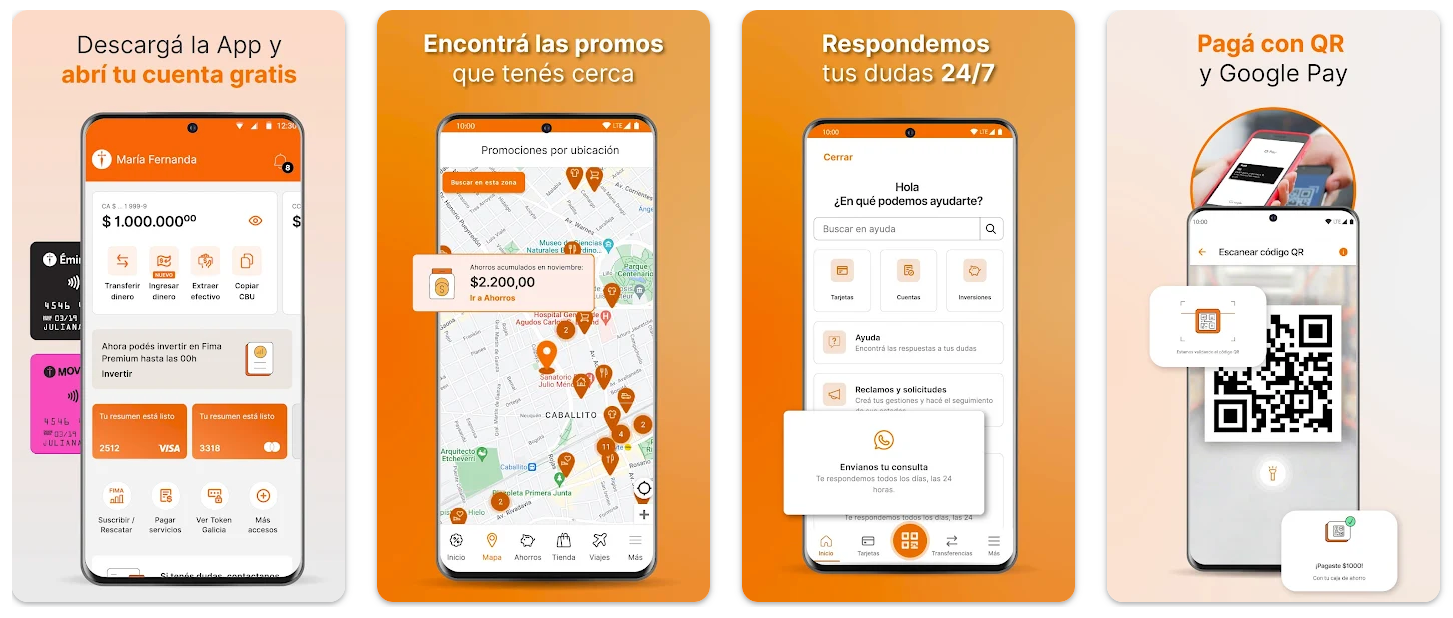
With fintech adoption reaching over 70% of consumers in Latin America, loyalty is increasingly embedded directly into payment and banking experiences.
Examples:
- Nubank Rewards
- Mercado Pago Rewards
- RappiPrime
Key features include: rewards linked directly to payments, cashback, perks, or subscription benefits, and being fully embedded in mobile apps. In South America, the wallet is becoming the loyalty platform.
To compete in this space, brands need the ability to integrate loyalty into payments, apps, and customer journeys in real time, something modern platforms like White Label Loyalty are designed to support through API-first and event-driven architecture.
4. E-commerce and marketplace ecosystems
Large digital platforms integrate loyalty into their core experience.
Examples:
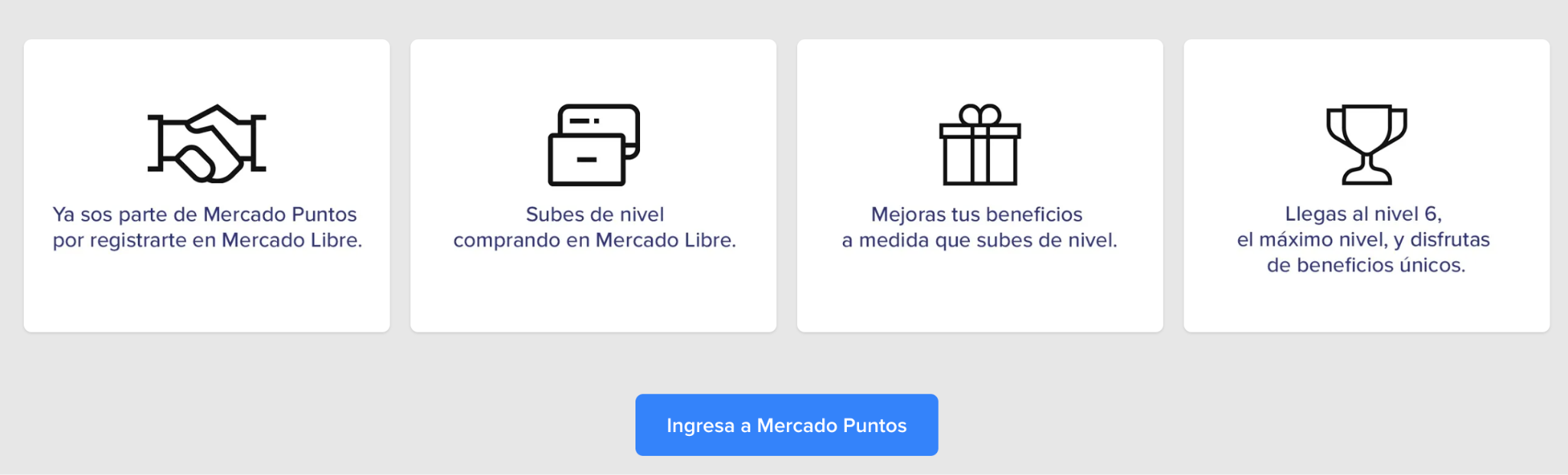
- MercadoLibre (Mercado Puntos)
- Amazon Prime (in parts of LATAM)
Key features include: tiered benefits (shipping, content, discounts), cross-ecosystem rewards (shopping + payments + services). Loyalty is built into the product ecosystem.
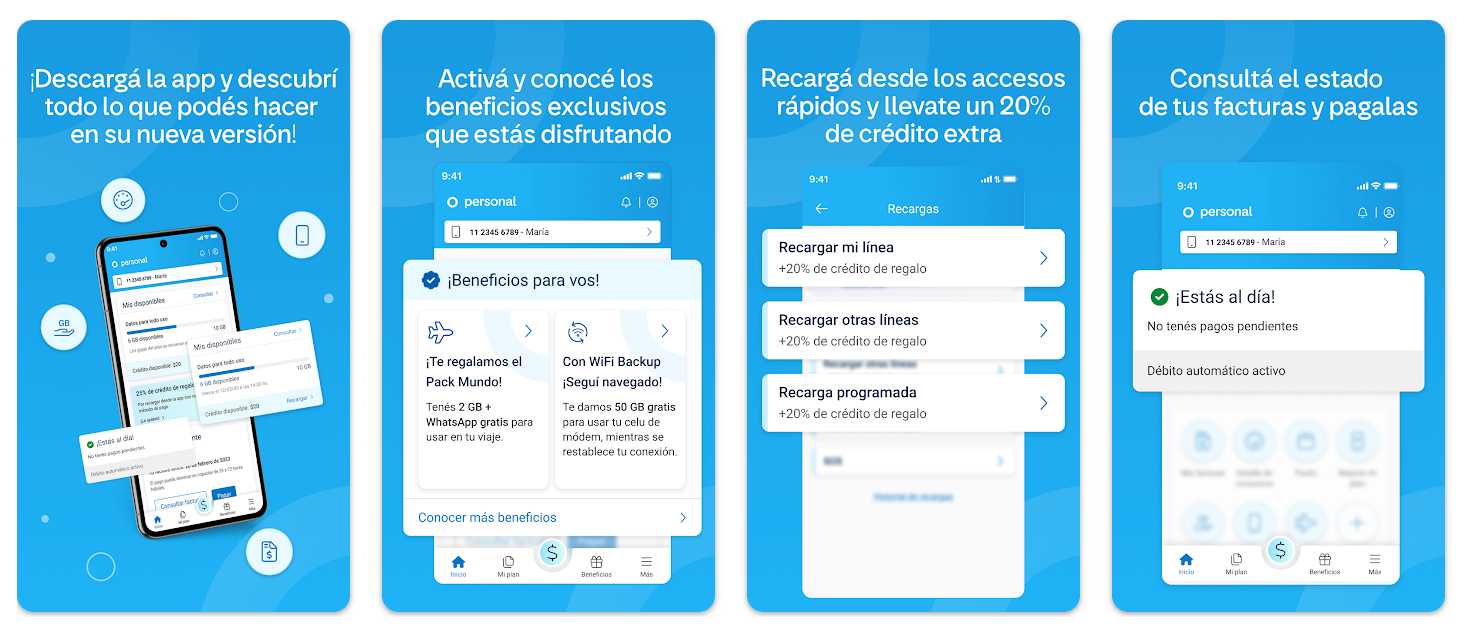
5. Telecom loyalty programs
Telecom companies still play a major role due to high mobile penetration.
Example:
- Claro Club
Key features include: discounts and exclusive perks, cross-industry partnerships, and strong offline + online integration.
6. Hospitality and restaurant loyalty (emerging)
This category is evolving rapidly thanks to SaaS and mobile technology.
Key trends include: shift from punch cards → digital apps, integration with CRM and messaging tools, and personalized offers and gamification.
This is where no-code or low-code loyalty tools are gaining traction, enabling marketing teams to launch campaigns quickly without relying on developers.
Key trends shaping loyalty in South America
Loyalty programs in South America are being reshaped by rapid digital adoption and economic realities. The result is a move toward faster, more flexible, and more integrated loyalty experiences, where value is delivered instantly and engagement is built into everyday interactions.
1. Instant rewards are replacing points
Economic volatility has changed consumer expectations.
- Customers prefer cashback and immediate discounts
- Long-term point accumulation is less attractive
If value isn’t immediate, engagement drops. Brands need systems that can trigger rewards instantly based on behavior, not batch processing: another reason event-driven platforms are becoming the standard.
2. Mobile-first experiences dominate
South America is a mobile-first region, and loyalty reflects that.
- App-based engagement
- QR codes and digital wallets
- Real-time rewards and notifications
Loyalty platforms must be API-first and mobile-ready by design, enabling seamless integration into apps and digital wallets.
3. Gamification drives engagement
Programs increasingly use gamification with:
- Spin-to-win mechanics
- Challenges and missions
- Progress tracking
Especially effective for younger audiences. Advanced loyalty engines allow brands to build these mechanics dynamically, rather than hardcoding them into static campaigns.
4. Ecosystems are replacing standalone programs
Winning loyalty programs are connected.
- Partnerships across industries
- Multi-earn and multi-burn systems
- Integration with payments, travel, and retail
This requires flexible infrastructure that can connect multiple partners and data sources, rather than siloed systems.
South America vs Europe & US: Key differences
Here’s how South America compares to more mature loyalty markets:
Factor | South America | Europe / US |
| Core drivers | Fintech & marketplaces | Airlines & credit cards |
| Reward types | Cashback, instant value | Points, miles |
| Technology | Mobile-first, app-based | Omnichannel |
| Structure | Local ecosystems | Global programs |
| Innovation | Gamification, crypto | AI, personalization |
Conclusion
South America offers a clear glimpse into the future of loyalty.
As fintech, mobile ecosystems, and consumer expectations continue to evolve, the most successful programs are those that deliver immediate value, seamless experiences, and relevance at every interaction. Points and tiers still exist, but they are no longer enough on their own: customers expect loyalty to be fast, flexible, and fully integrated into their daily lives.
For brands, the takeaway is simple: loyalty can’t sit on the sidelines anymore. It needs to be embedded into the customer journey, powered by real-time data, and adaptable to changing behaviors.
This is where modern, event-driven platforms like White Label Loyalty come into play: enabling businesses to move beyond static programs and build dynamic, scalable loyalty experiences that match the pace of today’s consumers.
Frequently Asked Questions (FAQs)
Recommended Posts
If you enjoyed this article, check out these relevant posts below.
Share this Article

Sara Rabolini
Senior Content Marketing Executive
Sara is our Senior Content Marketing Executive. She shares engaging and informative content, helping businesses stay up-to-date with the latest trends and best practices in loyalty.