Best Loyalty Programs in Singapore: Trends & Best Practices
Singapore is often seen as a blueprint for the future of loyalty. High digital adoption, sophisticated consumers, and intense competition have pushed brands beyond traditional points programs into something far more powerful.
And here’s the reality: in Singapore, basic loyalty doesn’t work anymore. Customers expect immediate value, seamless digital experiences, and flexibility across brands. Anything less risks being ignored.
In this article, we break down the key loyalty trends in Singapore, highlight the best-performing programs, and share best practices brands must adopt to stay competitive.
Key loyalty trends in Singapore
Singapore’s loyalty landscape is evolving rapidly, shaped by rising consumer expectations, digital innovation, and intense competition across industries.
What once worked (points, tiers, and delayed rewards) is no longer enough. Today, the most successful loyalty programs are those that deliver immediate value, integrate seamlessly into everyday life, and extend beyond single-brand experiences.
1. The shift from points to real value
The rise of cashback and non-expiring points, driven by players like NTUC FairPrice and DBS Bank, signals a clear shift toward immediacy and transparency.
Customers now prioritise instant savings at checkout, simple, easy-to-understand value, and rewards that don’t expire or lose relevance
This is especially true in high-frequency categories like groceries and payments, where customers expect to see value every time they transact, not months later.
Programs that still rely on complex, delayed reward structures are increasingly out of touch, and risk being ignored entirely.
2. Ecosystems are replacing standalone programs
Coalition models like Yuu Rewards Club are redefining what loyalty looks like. Instead of earning points in isolation within a single brand, customers now expect one unified program and flexible earning and redemption options
This reflects a simple truth: customers don’t think in silos. Their daily lives span groceries, transport, dining, shopping, and entertainment, and they expect their loyalty experience to reflect that.
Coalition programs solve a key challenge:
- They increase earning velocity (points accumulate faster)
- They increase redemption relevance (more ways to spend rewards)
- They reduce breakage frustration
If your program doesn’t extend beyond your brand, you risk being invisible in the broader customer journey.
3. Mobile-first is now the baseline
Mobile has transformed loyalty from a passive, backend system into an active, real-time interface. Users now expect real-time points updates, instant redemption at checkout, personalised offers delivered in-app, and a seamless connection between payments and rewards.
The success of super apps has set a new benchmark: loyalty must be embedded directly into the customer journey, not layered on top of it.
4. Loyalty is becoming a daily habit
The most successful loyalty programs in Singapore are those that integrate into everyday behaviours, not occasional purchases. Programs tied to groceries, payments, transports, and e-commerce are outperforming traditional models that rely on infrequent engagement.
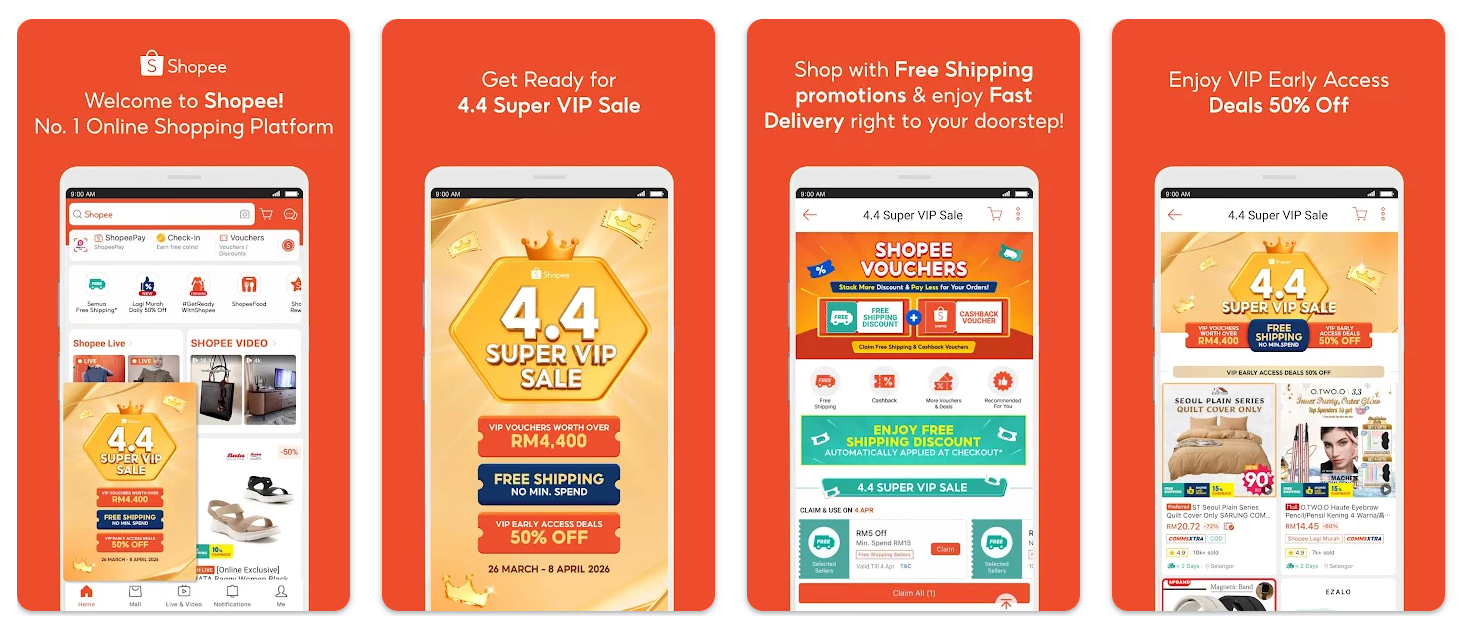
Platforms like Shopee and Lazada reinforce this shift through daily check-ins, gamified rewards, flash deals and vouchers, and personalised nudges. These mechanics create habit loops, where users return not just to buy, but to engage.
5. Sustainability is emerging as a differentiator
Programs linked to sustainability, such as those by Singlife with Aviva, are gaining traction by rewarding eco-friendly purchases, low-carbon behaviours, and conscious consumption choices.
This aligns with broader national initiatives like Singapore’s Green Plan 2030 and resonates strongly with younger, values-driven consumers.
Loyalty is evolving from rewarding transactions to shaping behaviours and values. By incentivising sustainable actions, brands are building emotional loyalty and differentiating beyond price and convenience.
Top loyalty programs in Singapore
Singapore is home to some of Asia’s most innovative loyalty programs, spanning retail, finance, super apps, and e-commerce. From cashback-driven rewards to multi-brand ecosystems, these programs are designed to keep customers engaged, rewarded, and coming back frequently.
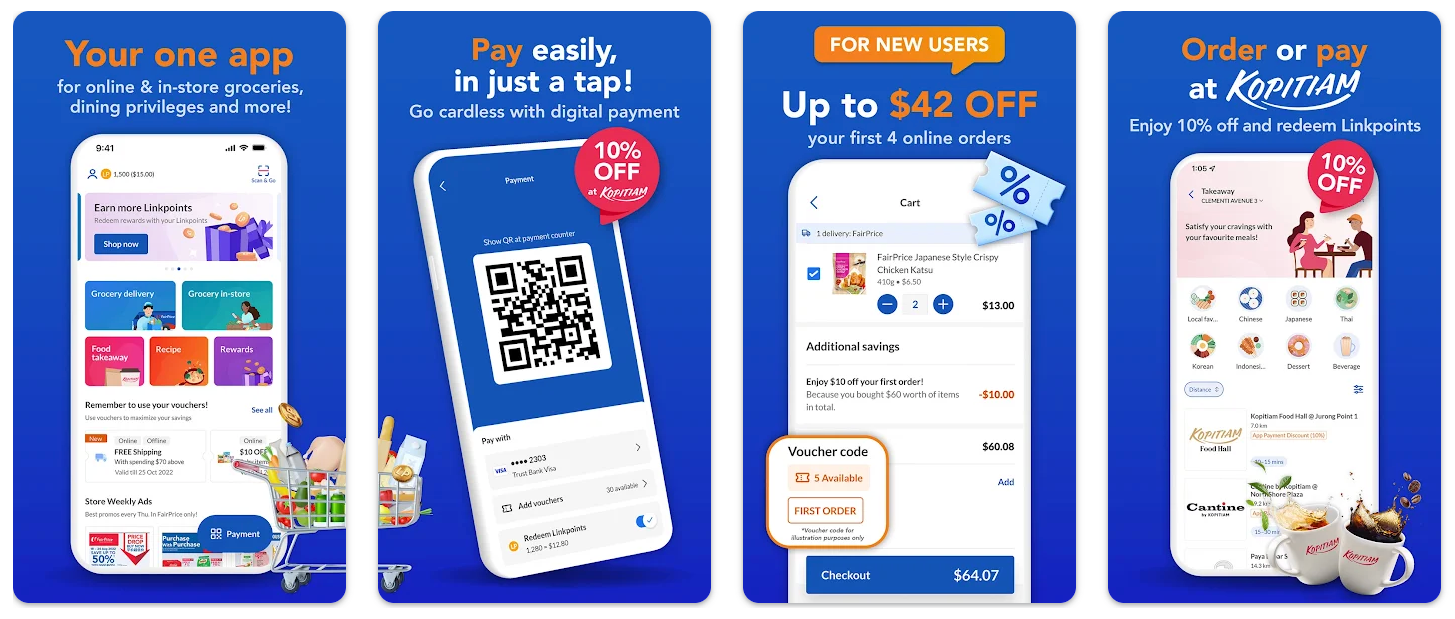
1. NTUC FairPrice – Link Rewards
Link Rewards is a retail-focused loyalty program that rewards customers for everyday grocery shopping. Members earn points on purchases and can redeem them for discounts, vouchers, or special promotions. Personalised offers are sent based on shopping behaviour, making the program feel relevant and tailored.
Why it works: It embeds loyalty into high-frequency, essential purchases, driving habitual engagement. By rewarding daily behaviour rather than occasional big spends, Link Rewards becomes part of the customer’s routine and not just an optional add-on.
2. DBS Bank – Cashback & Rewards Cards
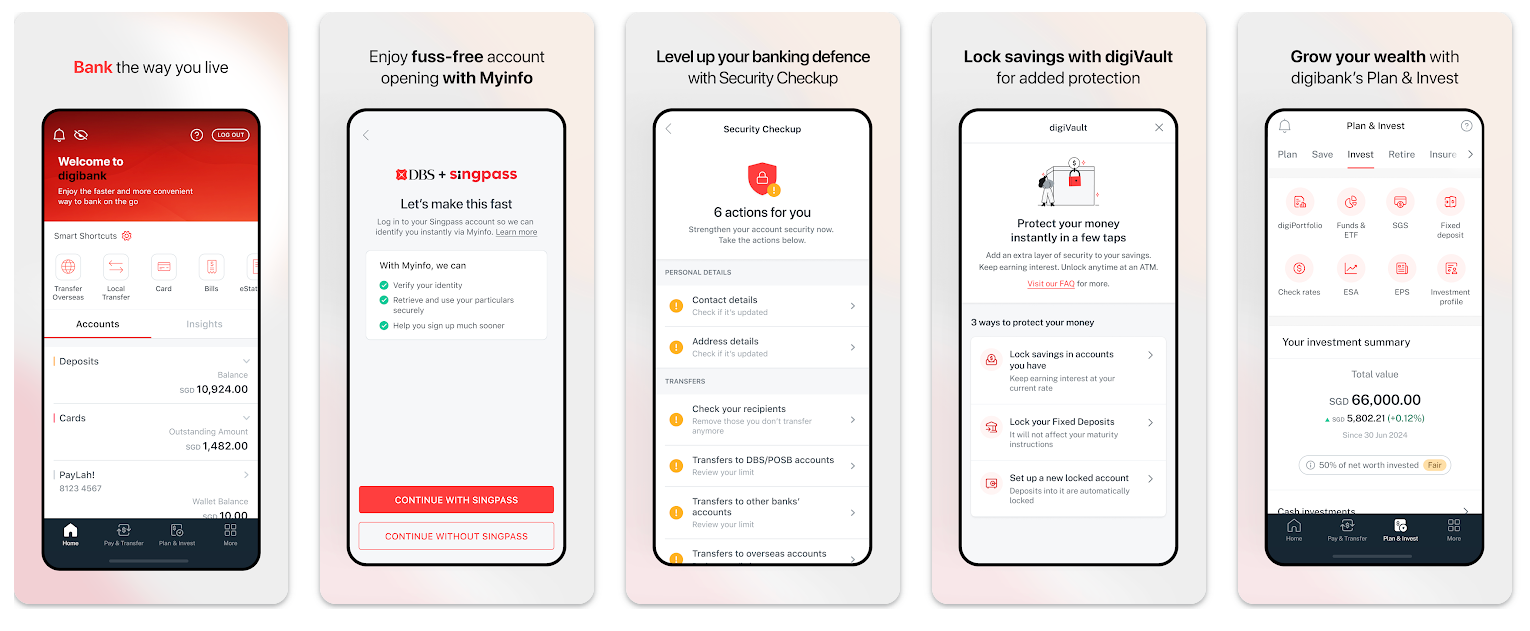
DBS offers a wide range of credit cards with cashback and category-specific rewards, from dining and groceries to transport and online shopping. Users can earn points or cashback on each transaction, with some cards offering accelerated rewards for preferred categories.
Why it works: It delivers instant, tangible value, aligning perfectly with consumer expectations for transparency and immediacy. Customers see the benefit every time they use their card, turning regular spending into a rewarding experience.
3. GrabCoins
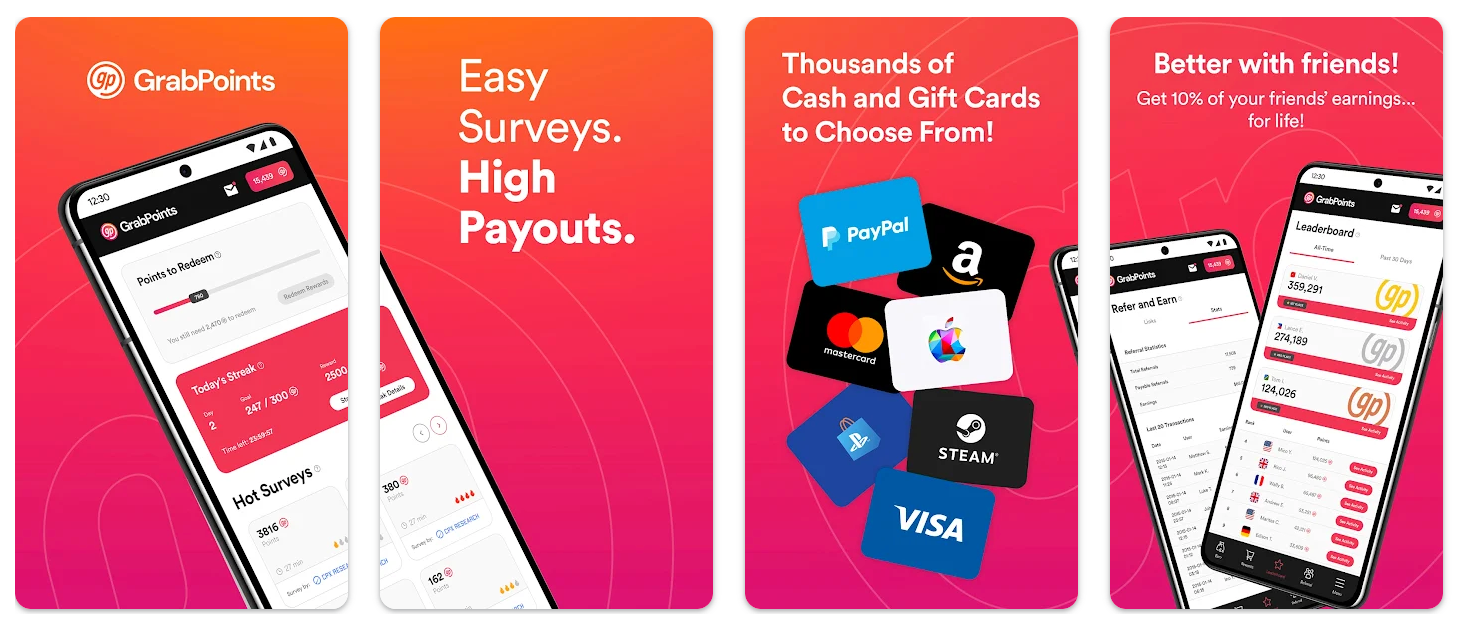
GrabCoins is fully integrated into the Grab super app ecosystem, covering ride-hailing, food delivery, payments, and more. Users earn points for every transaction and can redeem them for vouchers, partner deals, or charitable donations.
Why it works: It combines daily usage with a seamless digital experience, making loyalty continuous rather than episodic. The integration with multiple services keeps customers engaged across several touchpoints, increasing both retention and brand dependency.
4. Yuu Rewards Club
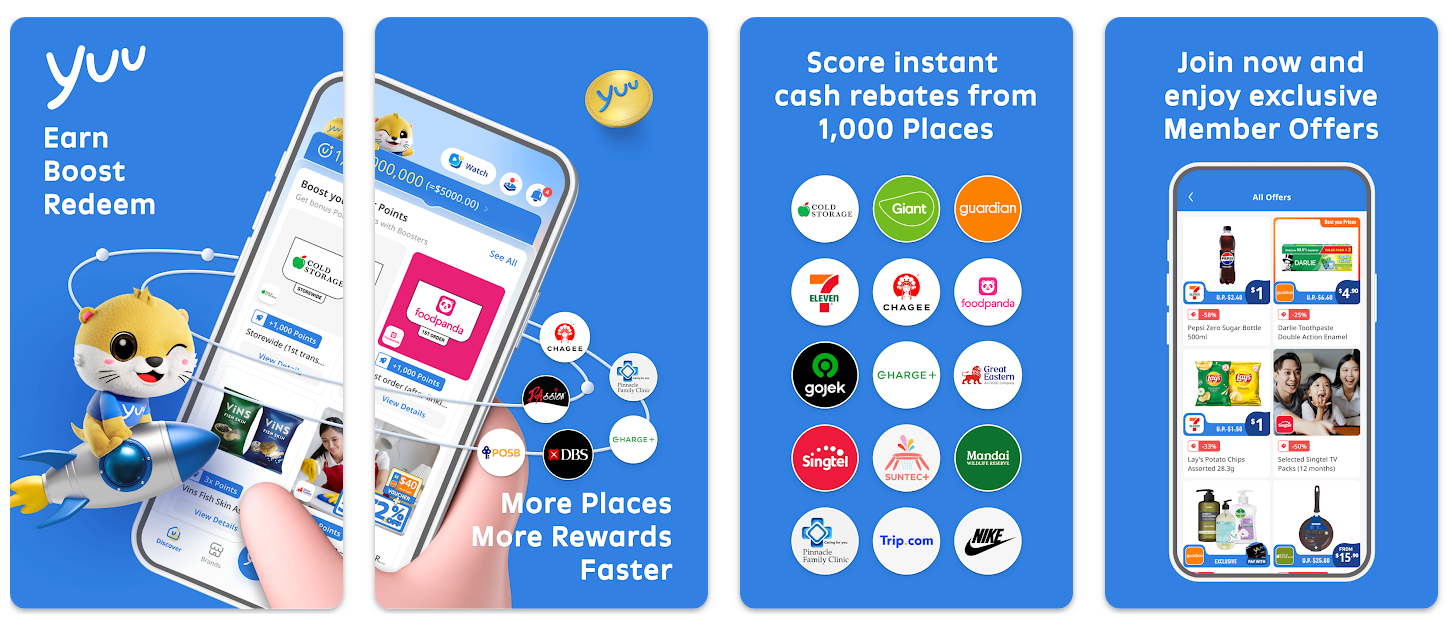
Yuu Rewards Club is a multi-brand coalition program that allows users to earn and redeem points across a broad network of retail, food, and lifestyle partners. It also offers cashback, exclusive deals, and personalised offers for members.
Why it works: It creates a shared ecosystem, increasing convenience and perceived value. Customers enjoy the flexibility to redeem points in a way that suits their lifestyle, while brands benefit from cross-promotion and shared customer acquisition costs.
5. Shopee & Lazada loyalty programs
Both Shopee and Lazada offer gamified loyalty systems that reward repeat purchases with coins, vouchers, and personalised deals. Features like daily check-ins, games, and flash deals incentivise engagement and increase order frequency.
Why it works: They leverage gamification and personalisation to make shopping addictive. By rewarding both purchasing and app engagement, these programs maintain high visibility in users’ daily routines and encourage frequent return visits.
Best practices for loyalty success
Building a successful loyalty program in Singapore goes beyond offering points or discounts. To truly engage customers and drive long-term retention, brands need strategies that combine flexibility, data-driven insights, and seamless digital experiences.
- Build always-on loyalty, not campaigns: short-term promotions drive spikes but not loyalty, so create continuous engagement through event-based triggers and real-time rewards. Use a platform that enables event-driven loyalty orchestration, turning every interaction into an opportunity.
- Offer flexible, high-perceived-value rewards: provide cashback, discounts, or flexible redemption and let customers choose how to use rewards. Flexibility increases both usage and satisfaction.
- Think ecosystem: build partnerships and enable cross-brand earning and redemption. Coalition-style loyalty increases reach and relevance without increasing acquisition costs.
- Use data to drive personalisation: segment users based on behaviour and trigger personalised offers in real time. Advanced loyalty platforms allow brands to activate first-party data instantly.
- Seamless digital experiences: integrate loyalty into apps and payments and enable instant redemption.
Conclusion
Singapore’s loyalty market shows where the industry is heading: the winners are no longer those with the biggest rewards budgets, but those who deliver real, immediate value, integrate into daily customer behaviour, operate within connected ecosystems, and use data to personalise at scale.
Brands that fail to evolve will see diminishing returns. Those that embrace flexibility, ecosystems, and real-time engagement will define the next generation of loyalty.
Recommended Posts
If you enjoyed this article, check out these relevant posts below.
Share this Article

Sara Rabolini
Senior Content Marketing Executive
Sara is our Senior Content Marketing Executive. She shares engaging and informative content, helping businesses stay up-to-date with the latest trends and best practices in loyalty.