Loyalty Programs in North America: Trends & Examples
Loyalty programs in North America are the most mature and most saturated in the world. The US loyalty market alone is forecast to reach $25.99 billion in 2026 and $44.25 billion by 2030, while North America still accounts for roughly 30-38% of the global loyalty management market.
With around 90% of US adults enrolled in at least one program, the question for brands has shifted from "should we have a loyalty program?" to "how do we make ours actually matter?"
This is a market defined less by point accumulation and more by subscription value, AI-driven personalization, and ecosystem integration.
Amazon Prime has redefined loyalty as paid access, Starbucks has turned its app into a daily habit loop, Aeroplan and PC Optimum dominate Canadian wallets; and in Mexico, fintech players like Spin Premia and Mercado Pago are rewriting the rules entirely.
For brands, the opportunity (and the challenge) is the same: stand out in a sea of similar-looking programs while keeping customers genuinely engaged.
In this article, we'll explore how loyalty works across the US, Canada, and Mexico, the key trends shaping the region, and what brands can learn to compete in one of the most demanding loyalty markets on the planet.
If you're interested in more specific insights, you can check out:
- The Best 11 Loyalty Programs in the US
- The Top Loyalty Programs in Canada
- Loyalty in Mexico: Top Loyalty Programs & Trends
TL;DR: What makes North American loyalty programs unique?
- The market is mature and saturated: ~90% of US adults are in at least one program
- Paid and subscription loyalty (Amazon Prime, Walmart+, Target Circle 360) is uniquely strong here
- Credit card and coalition programs dominate everyday earning (Amex MR, Chase, PC Optimum, Scene+, Aeroplan)
- Mexico looks more like LATAM: fintech-driven, cashback-led, mobile-first
- AI-driven personalization is the defining trend, with US marketers ahead of the global curve
- The US loyalty market alone is projected to reach $44.25B by 2030
For brands, this means simple points-and-tiers programs are no longer enough: customers expect personalized, omnichannel, real-time value, and the platforms powering them need to keep up.
What is the loyalty program landscape in North America?
North America's loyalty landscape is mature, competitive, and increasingly AI-led, but it isn't monolithic. The US, Canada, and Mexico each have their own dominant models:
- United States: subscription giants (Amazon Prime, Walmart+), app-led retail and QSR programs (Starbucks, McDonald's, Target Circle), and a massive co-branded credit card ecosystem (Amex, Chase, Capital One, Citi)
- Canada: coalition programs rule, PC Optimum, Scene+, Aeroplan, and Triangle Rewards collectively touch the vast majority of Canadian households
- Mexico: a hybrid market straddling North American retail patterns and LATAM-style fintech innovation, led by Spin Premia (OXXO/FEMSA), Mercado Pago, Rappi Prime, and PAYBACK
What unites the region is scale and sophistication. Loyalty here isn't a marketing experiment, it's core infrastructure. American Airlines' AAdvantage program is famously valued at over $20 billion: more than triple the airline itself. Starbucks Rewards drives roughly 41% of the chain's US sales. Delta's loyalty program generated $3.8 billion in revenue in 2024.
This is exactly why brands are moving toward flexible, event-driven platforms that can support complex earning rules, partnerships, AI personalization, and instant rewards: capabilities that legacy points engines weren't built for.
Types of loyalty programs in North America
North America's loyalty ecosystem spans every model imaginable, but six categories dominate the conversation.
1. Paid and subscription loyalty (the North American specialty)
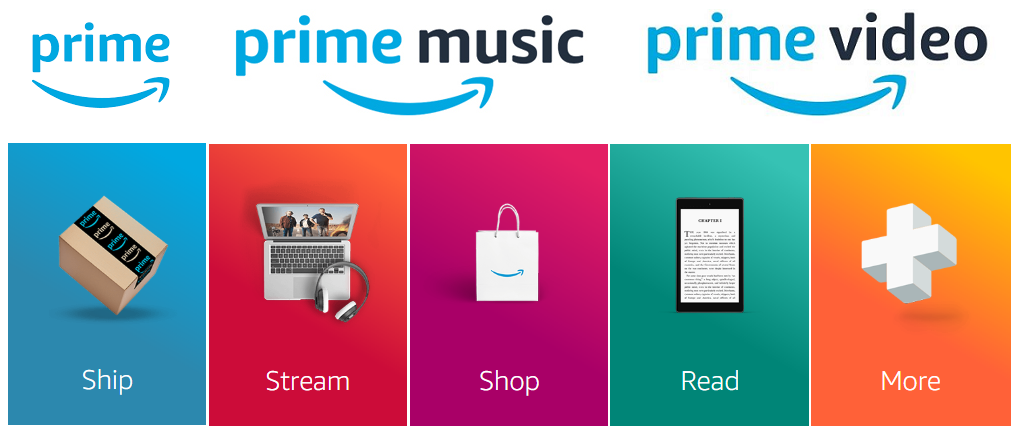
Subscription loyalty is more developed here than anywhere else in the world. Customers pay a recurring fee in exchange for instant, tangible benefits: free shipping, faster delivery, exclusive pricing, streaming, and more.
Examples:
- Amazon Prime (180M+ members globally)
- Walmart+
- Target Circle 360
- Costco and Sam's Club (membership-as-loyalty)
Key features: predictable revenue for the brand, immediate everyday value for the customer, and strong "sunk cost" stickiness. Walmart+ members visit 11 more times per year on average than non-members, and Amazon Prime members spend more than double what non-members do.
2. Airline, hotel, and travel programs
Travel loyalty is where modern loyalty was born, and it remains a powerhouse. Examples:
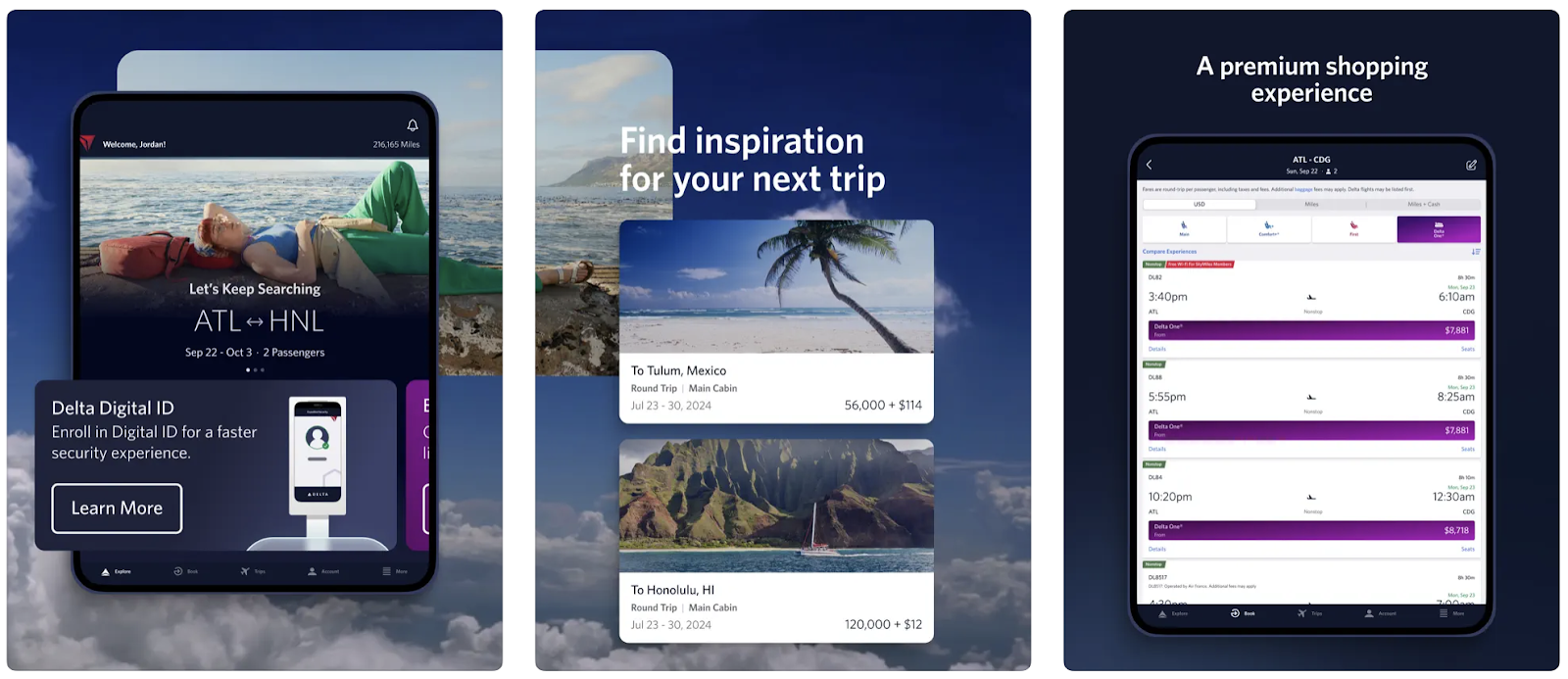
- Delta SkyMiles, American AAdvantage, United MileagePlus, Southwest Rapid Rewards
- Aeroplan (Air Canada, Star Alliance)
- Aeromexico Club Premier
- Marriott Bonvoy, Hilton Honors, World of Hyatt, IHG One Rewards
Key features: tiered status with meaningful real-world perks (lounge access, upgrades, priority service), miles that function like a parallel currency, and deep partnerships with banks, retailers, and other brands. American AAdvantage alone is worth more than the airline that operates it.
3. Co-branded credit card and bank rewards
In no other region do credit card rewards drive loyalty the way they do in North America. Cards effectively are the loyalty layer for huge swaths of consumer spending.
Examples:
- American Express Membership Rewards
- Chase Ultimate Rewards (Sapphire, Freedom)
- Capital One Venture / SavorOne
- Citi ThankYou points
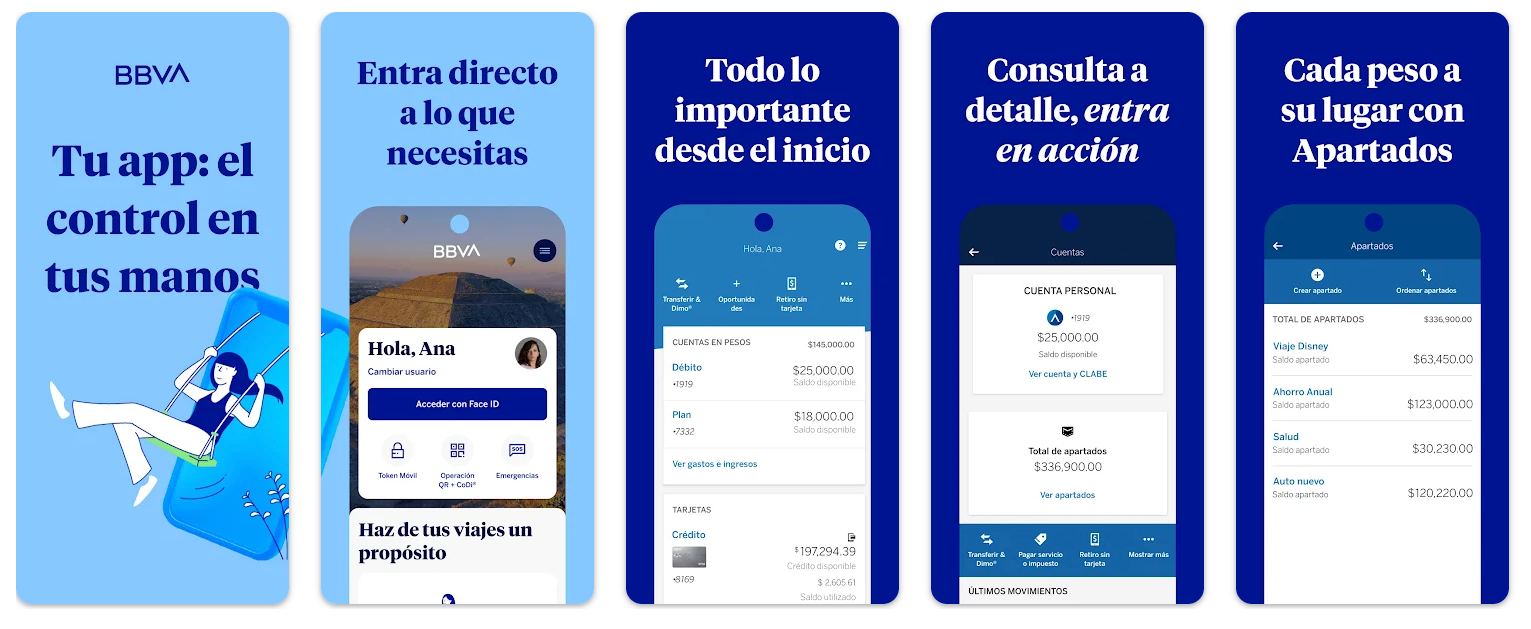
- BBVA Points, Banorte Rewards+, Citibanamex (Mexico)
- Co-branded cards across virtually every airline, hotel, and major retailer
Key features: flexible point transfers to airline and hotel partners, category multipliers, and welcome bonuses worth hundreds of dollars. For many North American consumers, the credit card is the loyalty program.
4. Coalition and retail loyalty programs
Coalition models (where customers earn and redeem across multiple partner brands) are particularly strong in Canada and Mexico.
Examples:
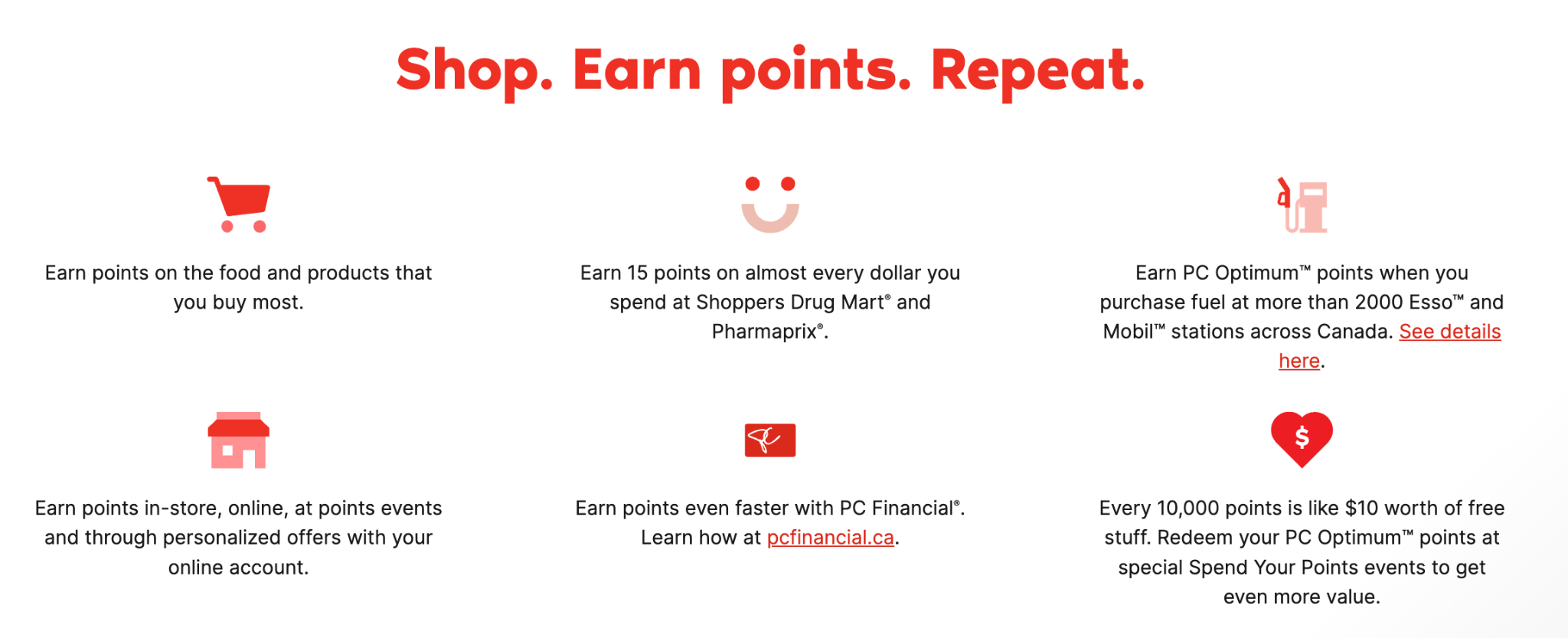
- PC Optimum (Loblaw, Shoppers Drug Mart, Esso) - Canada
- Scene+ (Scotiabank, Empire/Sobeys, Cineplex, Home Hardware, Shell) - Canada
- Triangle Rewards (Canadian Tire, Sport Chek, Mark's, Petro-Canada) - Canada
- AIR MILES - Canada
- Spin Premia (OXXO, OXXO Gas, Volaris, ViX, Cinemex) - Mexico
- PAYBACK (Grupo Soriana and partners) - Mexico
- Kroger Plus, CVS ExtraCare, Walgreens myWalgreens - US
Key features: multi-brand earn and burn, tight integration with daily spending (groceries, fuel, pharmacy), and points that behave like cash within the ecosystem. PC Optimum has effectively become Canada's default grocery currency.
5. App-led retail and QSR programs
This is where North America has set the global benchmark for mobile-first, habit-forming loyalty.
Examples:
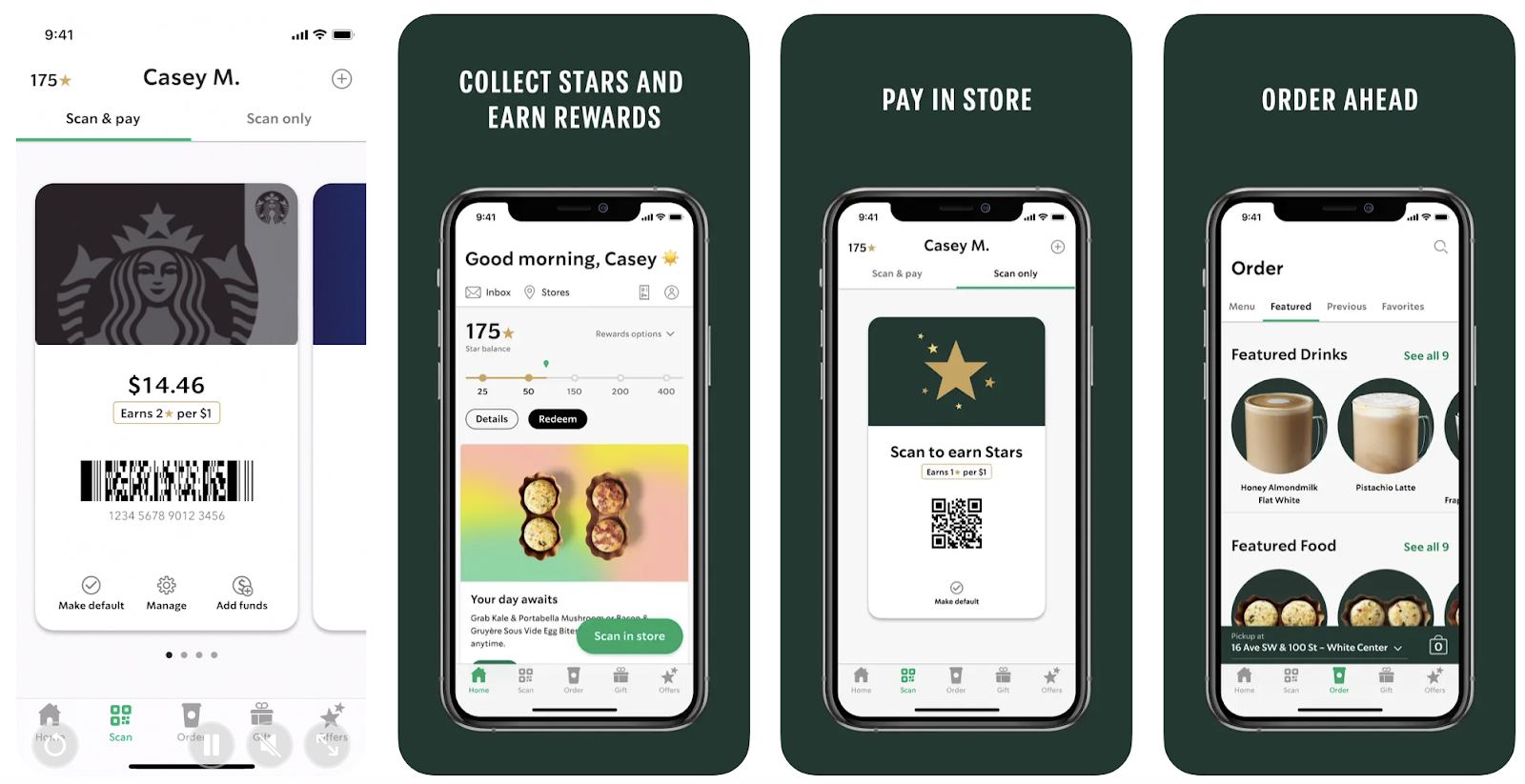
- Starbucks Rewards (34.6M+ active US members; ~41% of US sales)
- McDonald's MyRewards (175M+ active 90-day users; $30B+ in member sales)
- Target Circle
- Sephora Beauty Insider
- Nike Membership, adidas adiClub
- Chipotle Rewards, Dunkin' Rewards, Domino's Piece of the Pie
Key features: deep integration of ordering, payment, and rewards in a single app; gamification (Double Star Days, challenges, bonus events); and tiered benefits that drive frequency. Starbucks Rewards is the gold standard.
6. Fintech and digital wallet rewards
While the US still leans on credit cards, Mexico's loyalty future is being shaped by fintechs and super apps, a pattern that looks more like LATAM than the rest of North America.
Examples:
- Spin Premia (FEMSA/OXXO wallet)
- Mercado Pago and Mercado Puntos
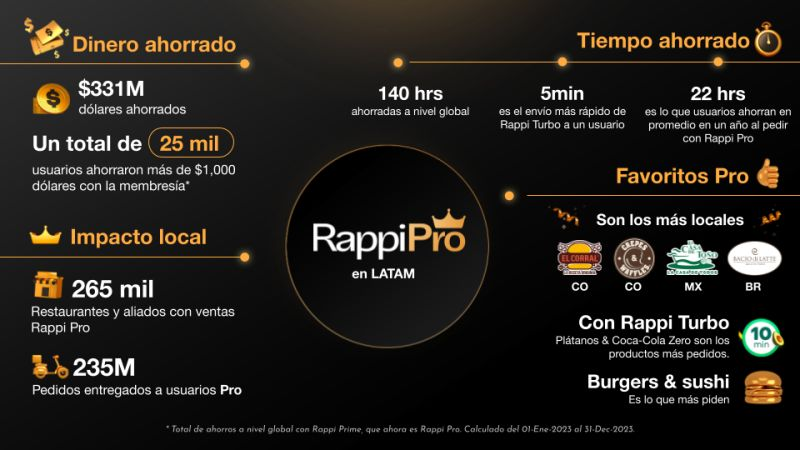
- Rappi Prime and RappiCard cashback
- Cash App, PayPal Rewards, Venmo perks (US)
Key features: rewards embedded directly into payment flows, real-time cashback, and QR-code-based redemption at the point of sale. In Mexico, the wallet is becoming the loyalty platform.
To compete in this space, brands need the ability to trigger rewards in real time, across payments, apps, and partner ecosystems, exactly what modern, API-first platforms like White Label Loyalty are built to support.
North America vs South America & Europe: Key differences
Here's how the region compares to other major loyalty markets:
Factor | North America | South America | Europe |
| Market maturity | Mature, saturated | Fast-emerging | Mature, regulated |
| Core drivers | Subscriptions, credit cards, coalitions | Fintech & marketplaces | Coalition & retail |
| Reward types | Paid perks, points, miles, status | Cashback, instant value | Points, personalized offers |
| Technology | AI-led, omnichannel | Mobile-first, app-based | Privacy-led (GDPR), omnichannel |
| Innovation focus | AI personalization, paid loyalty | Gamification, embedded fintech | Compliance, ESG, coalitions |
Key trends shaping loyalty in North America
Loyalty in North America is being reshaped by four forces: AI, paid models, loyalty fatigue, and the demand for value beyond transactions.
1. AI-driven personalization is the defining trend
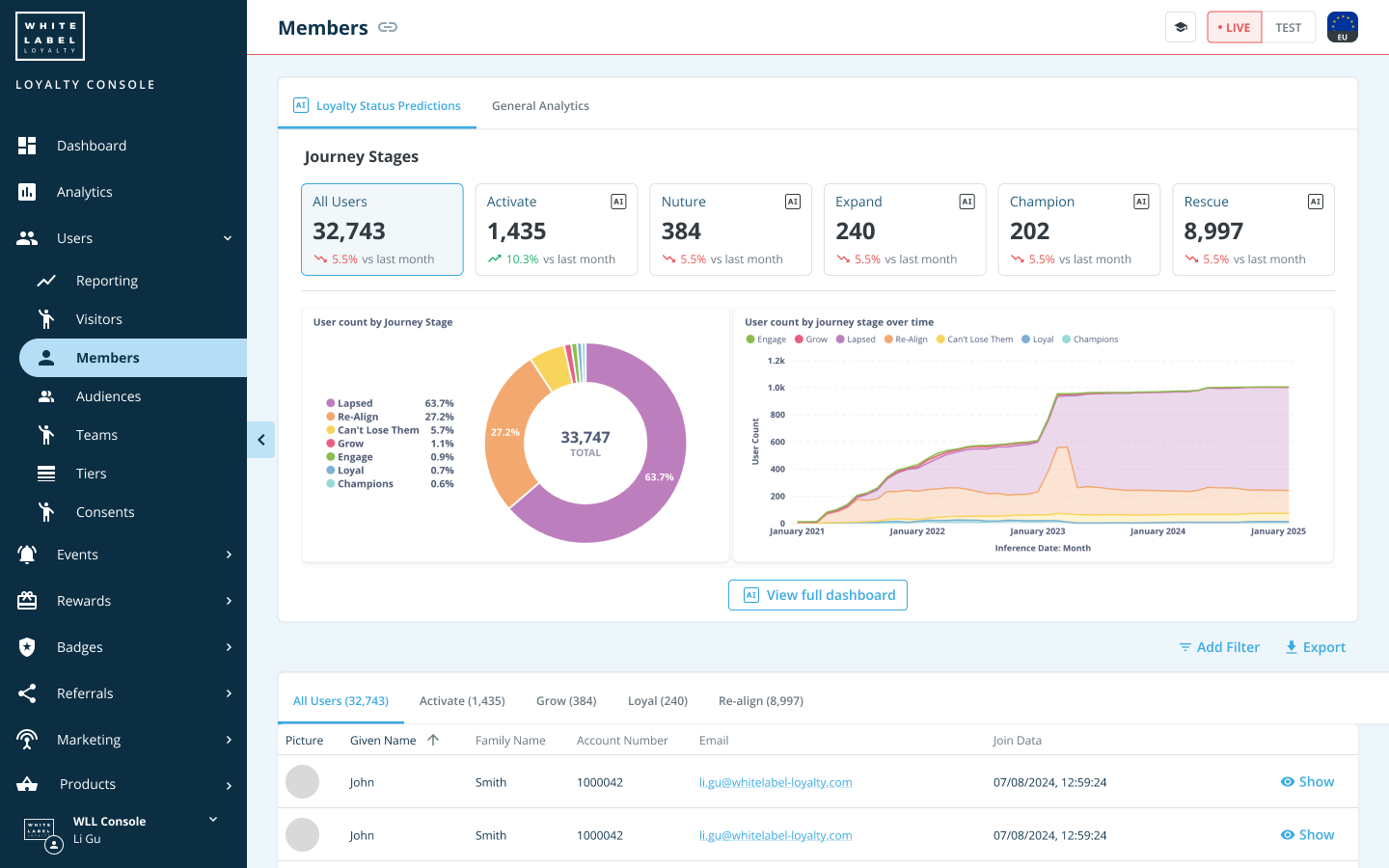
North American loyalty marketers are leaning into AI faster than the rest of the world. The logic is a virtuous loop: loyalty programs generate consented first-party data, AI turns that data into better experiences, and better experiences generate more data.
For brands, this means static segmentation and batch campaigns are no longer competitive. Programs need to support dynamic, behavior-triggered rewards that adapt to each customer in real time.
2. Subscription and "paid" loyalty keeps growing
Amazon Prime created the playbook, and now Walmart+, Target Circle 360, and Costco are scaling it. North American consumers are increasingly willing to pay for loyalty, if the value is immediate, visible, and woven into daily routines.
The implication: brands launching paid layers need to deliver instant utility (free shipping, exclusive pricing, content access), not just status or future redemptions.
3. Beyond transactions: value, access, and experience
The next generation of North American programs reward more than spending. They reward behaviors (reviews, referrals, social sharing, app engagement, and sustainability actions) and unlock access rather than just discounts (early product drops, exclusive events, content).
This shift requires platforms that can reward any customer event, not just transactions.
Conclusion
North America is the most developed loyalty market in the world, and also the most demanding. With saturation high, customer expectations rising, and AI redefining what personalization means, brands can no longer rely on points-and-tiers to drive long-term engagement.
The programs leading the region today (Amazon Prime, Starbucks Rewards, Aeroplan, Scene+, Spin Premia) share a common thread: they deliver immediate, relevant, and seamless value, embedded into the customer's daily life rather than bolted on at checkout.
For brands looking to compete, the takeaway is clear: loyalty needs to be flexible, data-driven, and built for real-time engagement. Static platforms struggle in this environment; event-driven, API-first systems are quickly becoming the standard.
This is where modern, event-driven platforms like White Label Loyalty come in, enabling brands across the US, Canada, and Mexico to move beyond static programs and build dynamic, scalable loyalty experiences that match the pace of today's North American consumer.
Get in touch with one of our loyalty experts today!
Recommended Posts
If you enjoyed this article, check out these relevant posts below.
Share this Article

Sara Rabolini
Senior Content Marketing Executive
Sara is our Senior Content Marketing Executive. She shares engaging and informative content, helping businesses stay up-to-date with the latest trends and best practices in loyalty.