Loyalty Programs in Indonesia: Examples & Key Trends
Indonesia is home to one of Southeast Asia’s most dynamic and fast-evolving loyalty landscapes. With a population that is highly mobile-first and digitally engaged, loyalty programs here are deeply embedded into everyday life, spanning payments, transport, retail, and food delivery.
Unlike more traditional markets, Indonesian loyalty is less about standalone points schemes and more about seamless, ecosystem-driven engagement. Rewards are often instant, app-based, and closely tied to high-frequency behaviours, making loyalty feel less like a programme and more like a natural extension of the customer experience.
Key trends shaping loyalty in Indonesia
Across these programmes, a few clear patterns emerge, highlighting how loyalty in Indonesia is evolving beyond traditional models into something far more embedded, immediate, and data-driven.
1. Wallet-based rewards over points
Cashback and digital coins have become the dominant reward mechanism, largely replacing traditional points systems. The appeal is simple: instant, tangible value. Instead of waiting to accumulate points, customers see benefits immediately at checkout or in their wallet balance.
This reduces friction and significantly increases redemption rates, turning loyalty into a continuous value exchange rather than a delayed reward cycle.
2. Super app ecosystems
Loyalty in Indonesia doesn’t live in isolation. It is deeply integrated into super apps that combine transport, payments, food delivery, and commerce into a single experience. This creates connected engagement loops, where actions in one category reinforce behaviour in another.
As a result, brands are no longer competing on individual transactions, but on their ability to stay relevant across the customer’s entire daily journey.
3. Gamification and tiered engagement
Tiered programmes and gamified mechanics play a central role in driving repeat behaviour. Progression systems, where users unlock better benefits as they engage more, tap into status, achievement, and momentum.
This encourages customers not just to return, but to consolidate their spending within a single platform to reach the next tier, increasing both frequency and share of wallet.

4. Data-driven personalisation
As the market matures, leading brands are moving away from broad, promotion-heavy strategies towards precision targeting powered by first-party data. Loyalty programmes are increasingly used as data engines, enabling real-time offers based on behaviour, preferences, and context.
This shift allows brands to deliver more relevant experiences while improving the efficiency of their marketing spend.
Top loyalty programs in Indonesia
From super apps to retail giants, Indonesia’s leading loyalty programmes reflect a market where engagement is driven by frequency, convenience, and instant value.
Rather than relying on traditional points systems, these programmes are designed to integrate directly into how customers shop, pay, and interact every day.
1. Gojek – GoClub & GoPay Coins
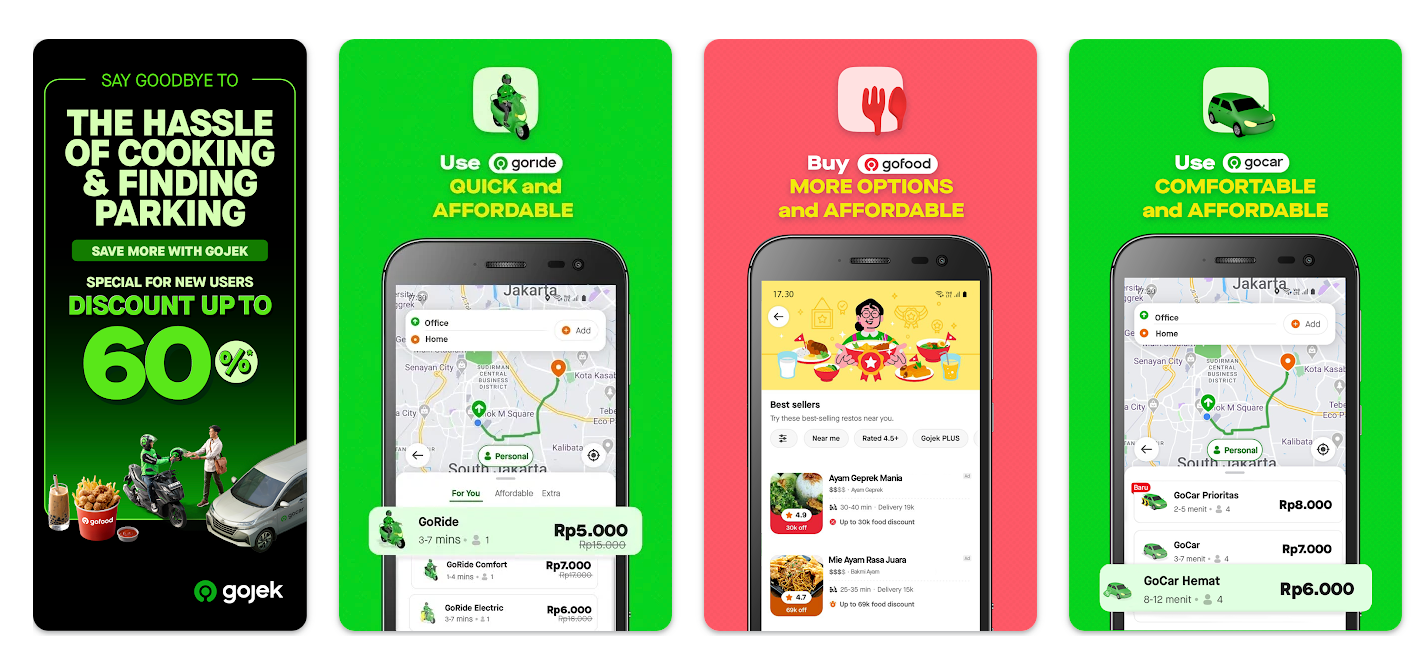
Gojek, one of Indonesia’s leading super apps, has built a powerful loyalty ecosystem that spans ride-hailing, food delivery, and digital payments. Its loyalty proposition is embedded directly into everyday transactions, making it one of the most widely used programmes in the country.
Why it works: Gojek succeeds by removing friction from the loyalty experience. Users earn GoPay Coins automatically and can redeem them instantly, often without needing to take any additional steps.
By integrating loyalty across multiple high-frequency services, Gojek turns everyday actions into continuous engagement, reinforcing habit and increasing lifetime value.
2. MAPCLUB
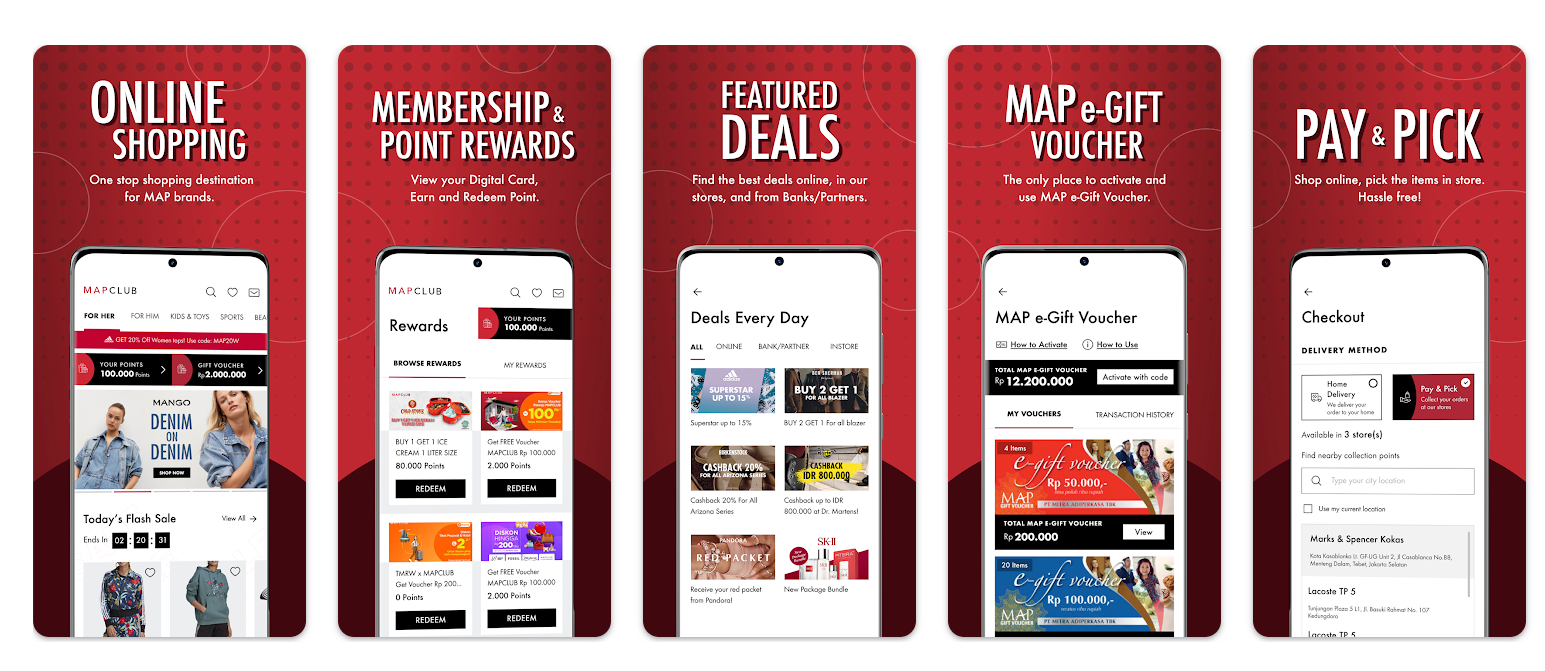
MAPCLUB is a coalition loyalty programme operated by Mitra Adiperkasa, covering a wide portfolio of global fashion, sports, and lifestyle brands. It offers a single rewards ecosystem across multiple retail touchpoints.
Why it works: The strength of MAPCLUB lies in its coalition model, allowing customers to earn and redeem across a diverse set of brands. This creates more opportunities to engage while increasing perceived value. By combining rewards with exclusive access and experiences, it also appeals to more aspirational, lifestyle-driven consumers.
3. Shopee Loyalty
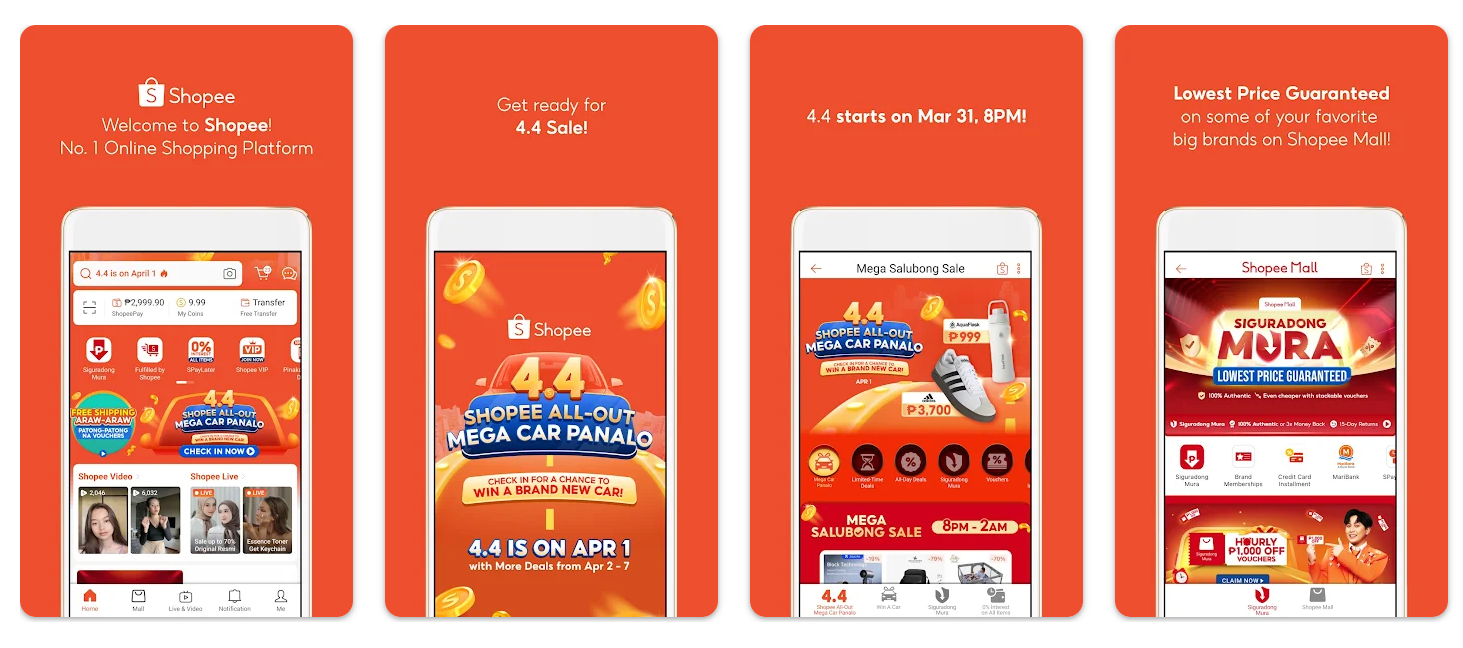
Shopee’s loyalty programme is built around a tiered system that rewards users based on their activity and spending levels. As customers move up tiers, they unlock increasingly valuable benefits.
Why it works: Shopee leverages gamification and progression mechanics to drive repeat behaviour. The clear path from entry-level to premium tiers encourages users to increase frequency and spend, while perks such as free shipping and exclusive deals reinforce habitual usage of the platform.
4. Alfamart – Alfagift
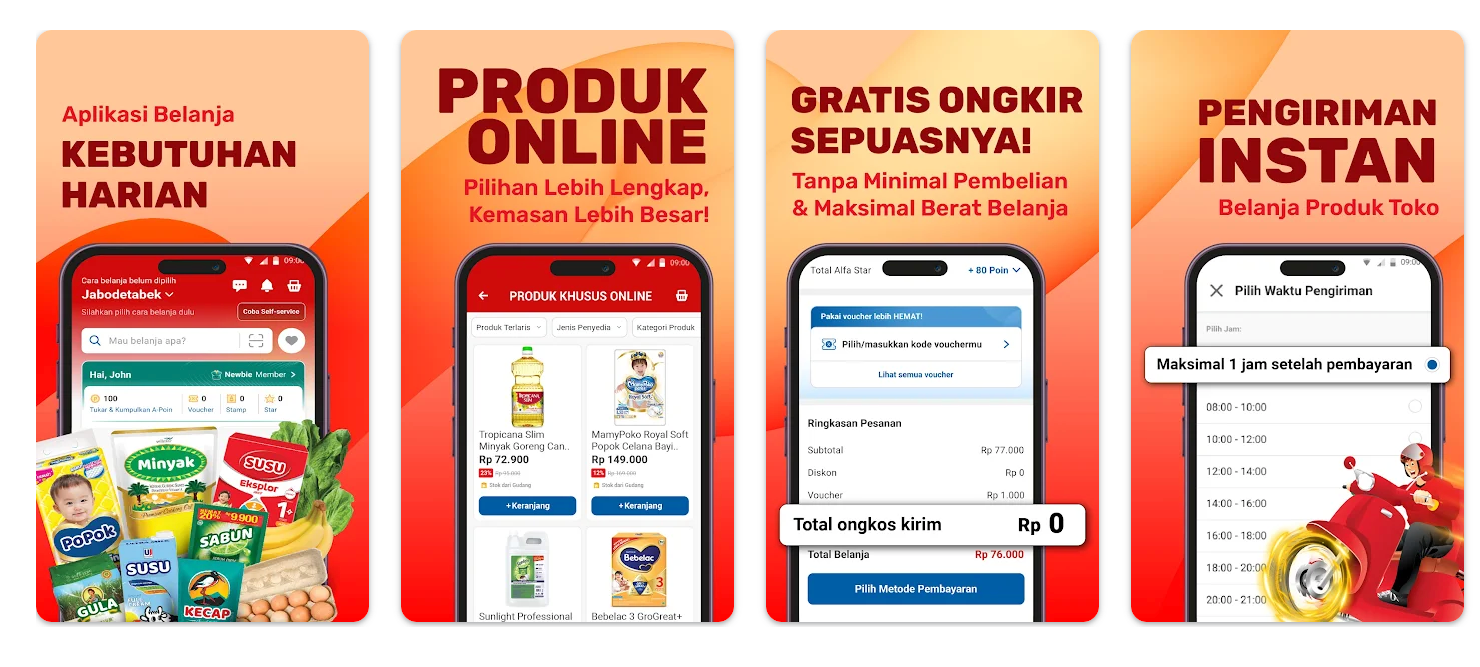
Alfamart, one of Indonesia’s largest convenience store chains, runs Alfagift, an app-based loyalty programme that connects in-store and online shopping experiences.
Why it works: With thousands of locations nationwide, Alfamart benefits from high-frequency customer interactions. Alfagift capitalises on this by offering simple, accessible rewards that are easy to earn and redeem. The combination of physical scale and digital convenience makes it highly effective at driving repeat visits.
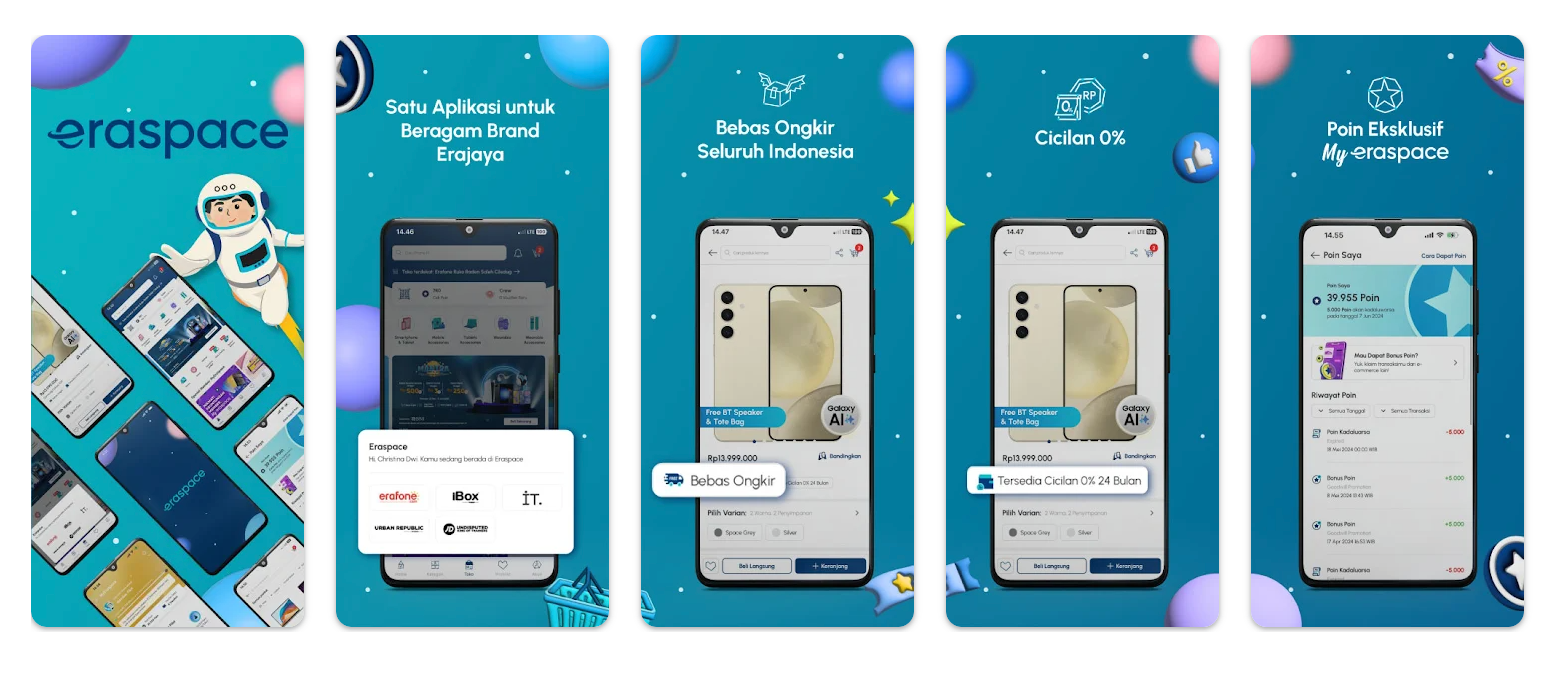
5. Erajaya – Era Club
Erajaya, a major electronics retailer, developed Era Club (now integrated in Eraspace) to strengthen customer retention across its omnichannel ecosystem.
Why it works: Era Club stands out for its focus on personalisation and data activation. By using customer insights to deliver targeted offers and experiences, it moves beyond generic discounting and creates more meaningful, long-term engagement.
What brands can learn
Indonesia demonstrates how loyalty can evolve from a traditional programme into a fully integrated customer engagement engine. The most successful brands don’t treat loyalty as a standalone initiative, but embed it into the core customer journey.
The result is a model where:
- Rewards are instant and effortless
- Engagement is continuous, not campaign-based
- And loyalty is driven as much by experience and convenience as by incentives
For brands looking to modernise their approach, Indonesia offers a clear lesson: the future of loyalty lies in ecosystems, data activation, and frictionless value exchange.
Conclusion
What sets Indonesia apart is its shift from loyalty as a programme to loyalty as an ecosystem. Super apps, digital wallets, and high-frequency retail have redefined how brands engage customers, making loyalty continuous, data-driven, and frictionless.
As expectations rise globally, this model offers a clear blueprint for brands looking to create more meaningful and sustained engagement.
Get in touch with our loyalty experts today!
Recommended Posts
If you enjoyed this article, check out these relevant posts below.
Share this Article

Sara Rabolini
Content Marketing Executive
Sara is our Content Marketing Executive. She shares engaging and informative content, helping businesses stay up-to-date with the latest trends and best practices in loyalty...