Loyalty Programs in Africa: Examples & Key Trends
Africa is home to one of the world's most distinctive and fastest-growing loyalty landscapes. With a loyalty market projected to roughly double from US$721 million in 2024 to over US$1.5 billion by 2029, the region is leapfrogging traditional models and building something genuinely its own.
Unlike more mature markets where plastic cards and points catalogues still dominate, loyalty in Africa is overwhelmingly mobile-first, cashback-driven, and built on top of payment rails.
Telecoms, fintechs, and retailers, not coalition operators, are setting the pace, and high-frequency interactions like airtime top-ups, mobile money transfers, and grocery runs are where engagement happens.
The result is a continent of markets that look very different on the surface (South Africa's mature retail-and-banking schemes, Kenya's mobile-money rewards, Nigeria's fintech-led cashback, Egypt's emerging digital wallets) but share a common direction of travel: immediate value, delivered through the phone in your pocket.
If you want to learn more, you can check out our other articles:
- Top Loyalty Programs in South Africa
- Top Loyalty Programs in Nigeria
- Loyalty Programs in North Africa
- Best Loyalty Programs in the Middle East
Key trends shaping loyalty in Africa
Across these markets, a few clear patterns emerge, highlighting how loyalty in Africa is evolving in ways that the rest of the world should be watching closely.
1. Mobile money is the loyalty rail
In much of Africa, the smartphone (and specifically the mobile money wallet) is the loyalty card. Platforms like M-Pesa in Kenya, MTN MoMo across West and Southern Africa, and Vodafone Cash in Egypt have become the default infrastructure for earning and redeeming rewards, especially in markets where traditional banking penetration is low.
This means loyalty programs are embedded directly into the payment moment. Every top-up, transfer, or bill payment becomes a loyalty event, turning everyday financial activity into continuous engagement.
2. Cashback and instant rewards beat points
In a context of high inflation and cost-of-living pressure, African consumers are decisively favouring immediate, tangible value over long-term points accumulation.
Recent industry studies show 85% of South Africans now use a loyalty program, and cashback-led schemes consistently outperform traditional points models in both usage and emotional connection.
Programs like Checkers Xtra Savings in South Africa, JumiaPay across the continent, and fintech-led cashback offers in Nigeria and Ghana have made instant discounts at the till, or instant cash in the wallet, the new baseline expectation.
3. Retail and telecoms lead, banks follow
Africa's loyalty market is unusually concentrated in two sectors: supermarkets and mobile operators. Grocery chains like Pick n Pay, Shoprite, and Carrefour run some of the largest standalone schemes in their respective markets, while telecoms including Safaricom, Vodacom, MTN, and Orange use loyalty to drive ARPU and retention.
Banks play a smaller but increasingly sophisticated role. South African programs like FNB eBucks and Discovery Vitality are arguably the most advanced bank- and insurance-led loyalty ecosystems in the world, but in most other markets, fintechs and challenger banks are moving faster than incumbents.
4. Fragmentation over coalition
Unlike Europe (PAYBACK), Latin America (Dotz, Livelo), or Asia (super-app ecosystems), Africa has no dominant continent-wide coalition programme. The market is highly fragmented, with strong local champions in each country and limited interoperability between them.
This creates both a challenge and an opportunity: customers are juggling multiple memberships, while brands have room to differentiate through partnerships, integrations, and ecosystem plays that don't yet exist at scale.
5. Data-driven personalisation is catching up fast
As loyalty becomes digital, brands across Africa are starting to use first-party data the way mature markets have for years. FNB uses AI to tailor eBucks earn rates by customer segment, Carrefour Egypt analyses basket data for personalised offers, and Nigerian fintechs are layering transactional insight onto cashback programmes.
The continent is essentially compressing two decades of loyalty maturity into a much shorter window, and skipping straight to mobile, data, and real-time engagement without the legacy baggage of plastic cards.
Top loyalty programs in Africa
From banking giants to telecom super-apps and grocery cashback schemes, Africa's leading programmes reflect a market where loyalty is driven by frequency, immediacy, and mobile convenience.
1. Tickit by Dubai Holding (UAE)
Tickit by Dubai Holding is a comprehensive loyalty program designed to reward customers across Dubai Holding’s extensive portfolio, including retail, hospitality, leisure, and entertainment venues.
Tickit operates on a point-based system with innovative card-linking technology. Members link their UAE-issued Visa or Mastercard to the Tickit app and earn points automatically for transactions at over 3,000 participating outlets across the UAE. Points are redeemed via a virtual card in the app, providing a seamless digital-first experience without the need to present the app or scan receipts or QR codes.
Why it works: Tickit’s appeal lies in its user-friendly, frictionless technology and vast network of participating brands, making it the first in the Middle East to debut effortless redemption via a virtual payment card. Since its launch, Tickit has rapidly become the second-largest loyalty program in the UAE, reflecting its value and convenience for customers.

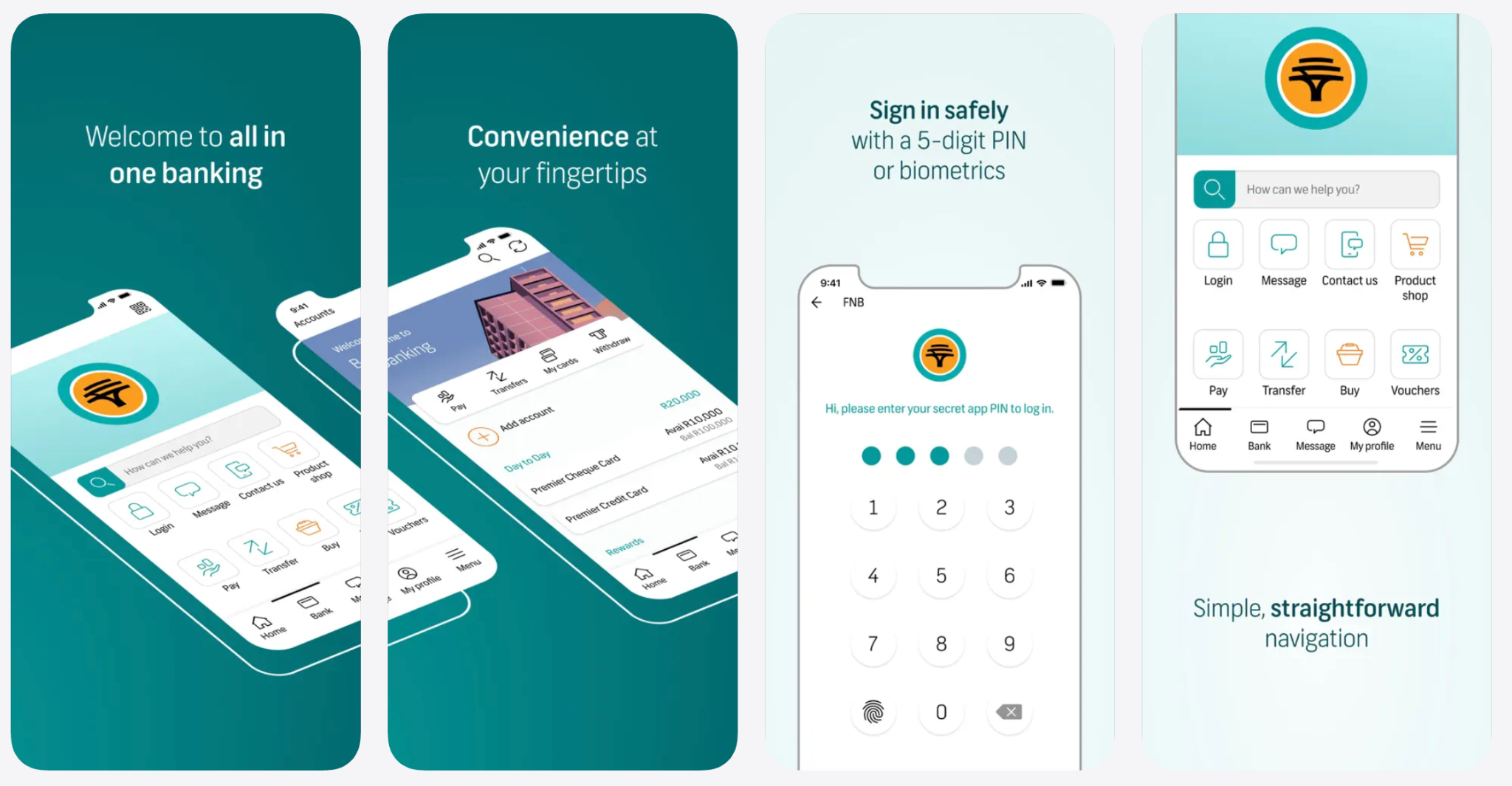
2. FNB eBucks (South Africa)
Launched in 2000, eBucks is one of the longest-running and most sophisticated bank-led loyalty programs in the world. Customers earn eBucks for everyday banking, card spend, and partner purchases (fuel at Engen, groceries at Checkers, devices at iStore) and redeem them as cash equivalents.
Why it works: eBucks succeeds by treating loyalty as a genuine alternative currency. Earn rates scale with banking product holdings and behaviour, which both deepens the relationship with FNB and gives customers a clear reason to consolidate spend.
It remains the only non-retail program consistently inside South Africa's top 10 most-used loyalty schemes.
3. Discovery Vitality (South Africa)
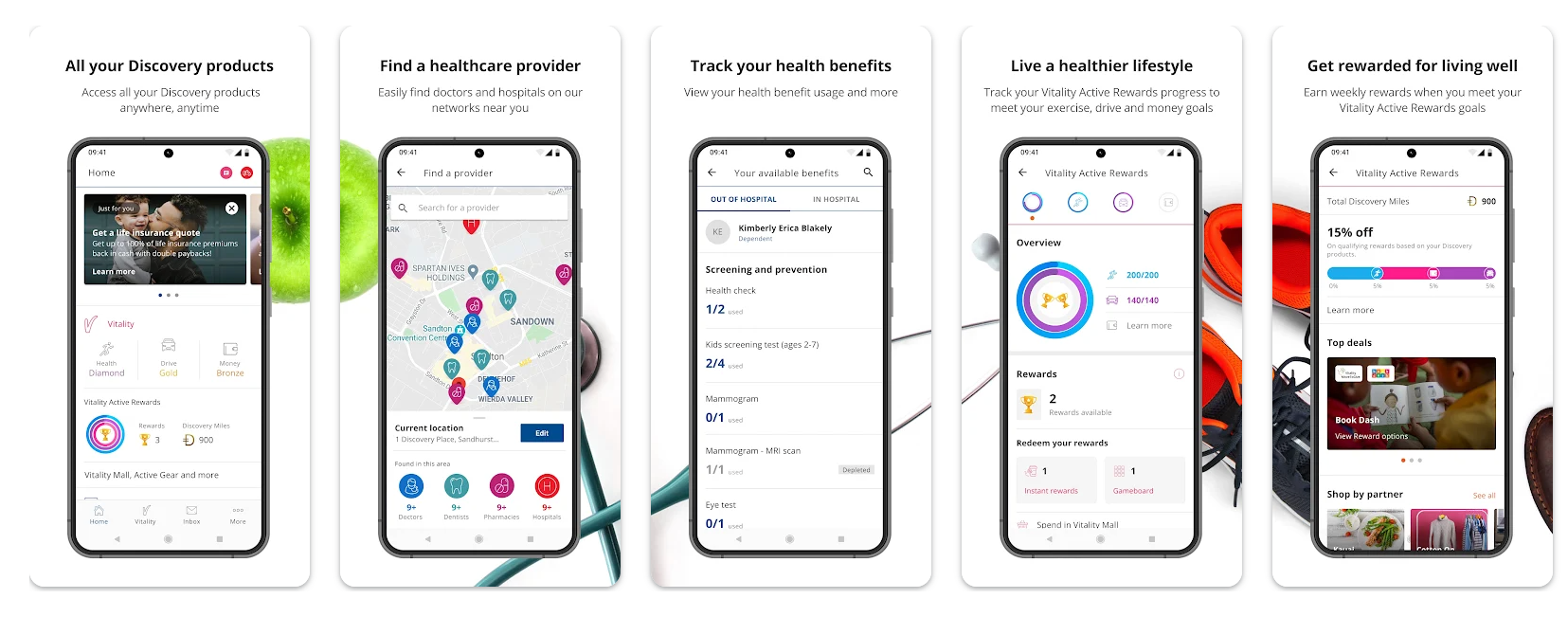
Discovery Vitality is the wellness-linked loyalty program attached to Discovery's medical aid, life, and short-term insurance products. Members earn points for healthy behaviours (exercise, health screenings, healthy food purchases) and unlock discounts on flights, gym memberships, smoothies, and more.
Why it works: Vitality is the rare loyalty programme that changes customer behaviour in ways that benefit both sides.
Healthier members file fewer claims; engaged members stay longer. It has been South Africa's "can't live without" loyalty programme for three years running and is now exported as a model to insurers globally.
4. Checkers Xtra Savings & Shoprite Xtra Savings (South Africa)
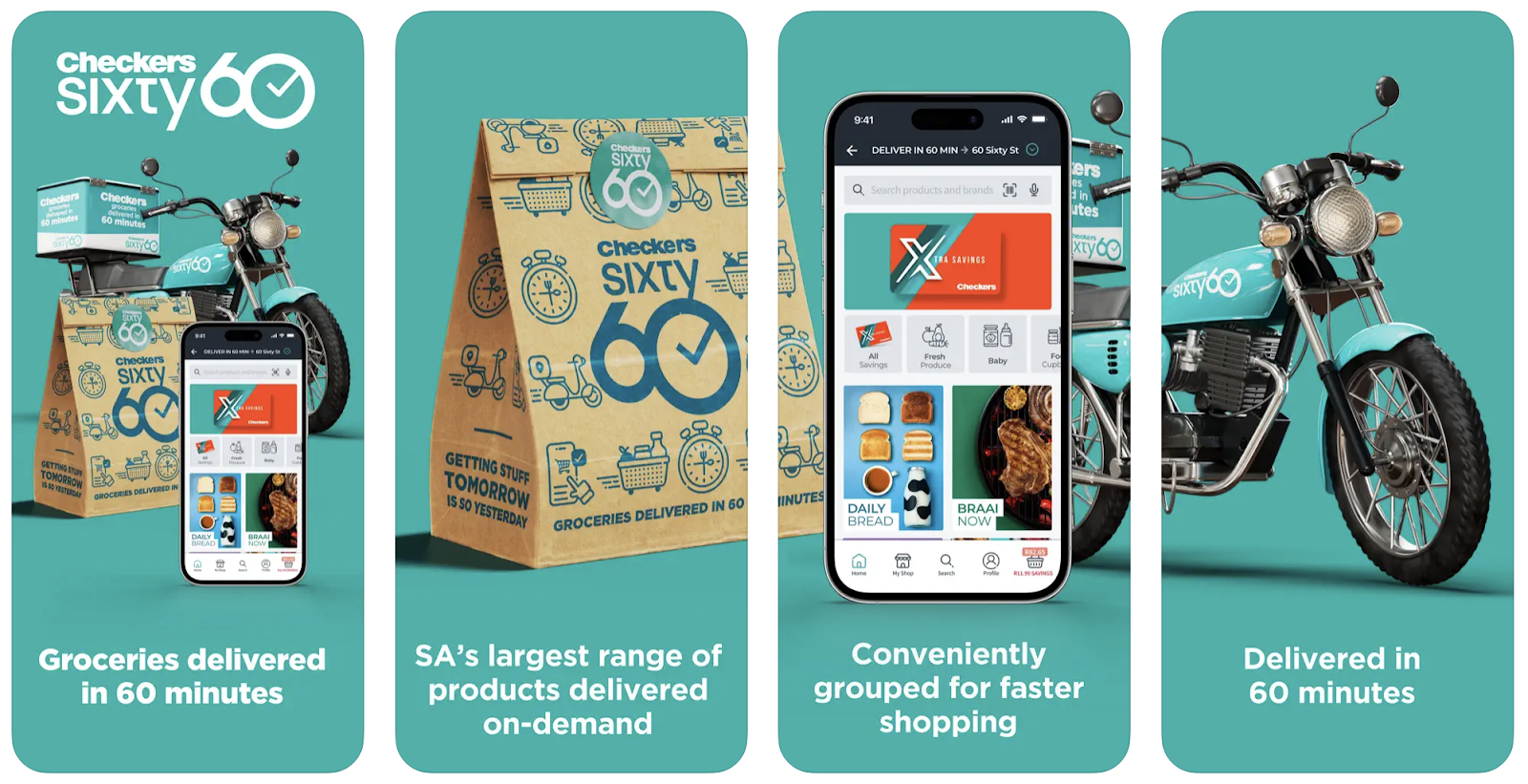
Run by the Shoprite Group, Xtra Savings is one of the most-used loyalty programs in South Africa, with reach across both economically active and mass-market consumers. It works on a straightforward instant-discount model: scan the card or app, get the price down at the till.
Why it works: Xtra Savings nails simplicity and immediacy. There's no points conversion, no expiry calculus, no tiered confusion, just lower prices, right now, on the items customers were already buying. In a price-sensitive market, that's a near-unbeatable proposition, and it covers roughly 80% of the group's sales.
5. Safaricom Bonga Points (Kenya)
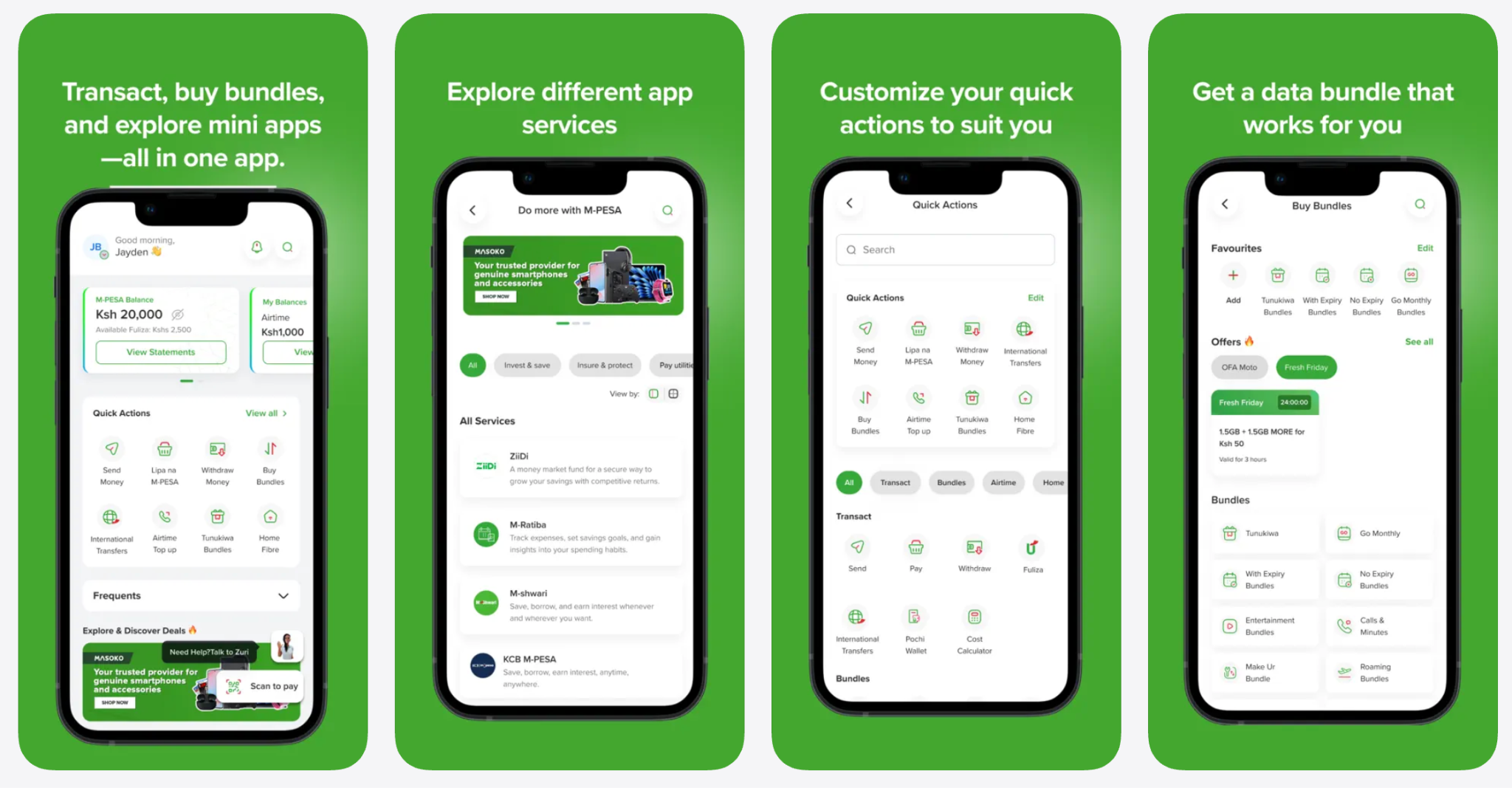
Launched in 2007, Bonga Points is the loyalty backbone of Kenya's largest telecom. Customers earn one point for every KSh 10 spent on voice, SMS, data, and M-Pesa services, and can redeem for airtime, data bundles, Kenya Airways flights, devices, or even payments at participating merchants via Lipa na Bonga.
Why it works: Bonga Points is a masterclass in loyalty as ecosystem infrastructure. By integrating directly with M-Pesa (the most widely used mobile money platform in Africa) Safaricom turned loyalty into a quasi-currency that customers can spend almost anywhere, not just on Safaricom services.
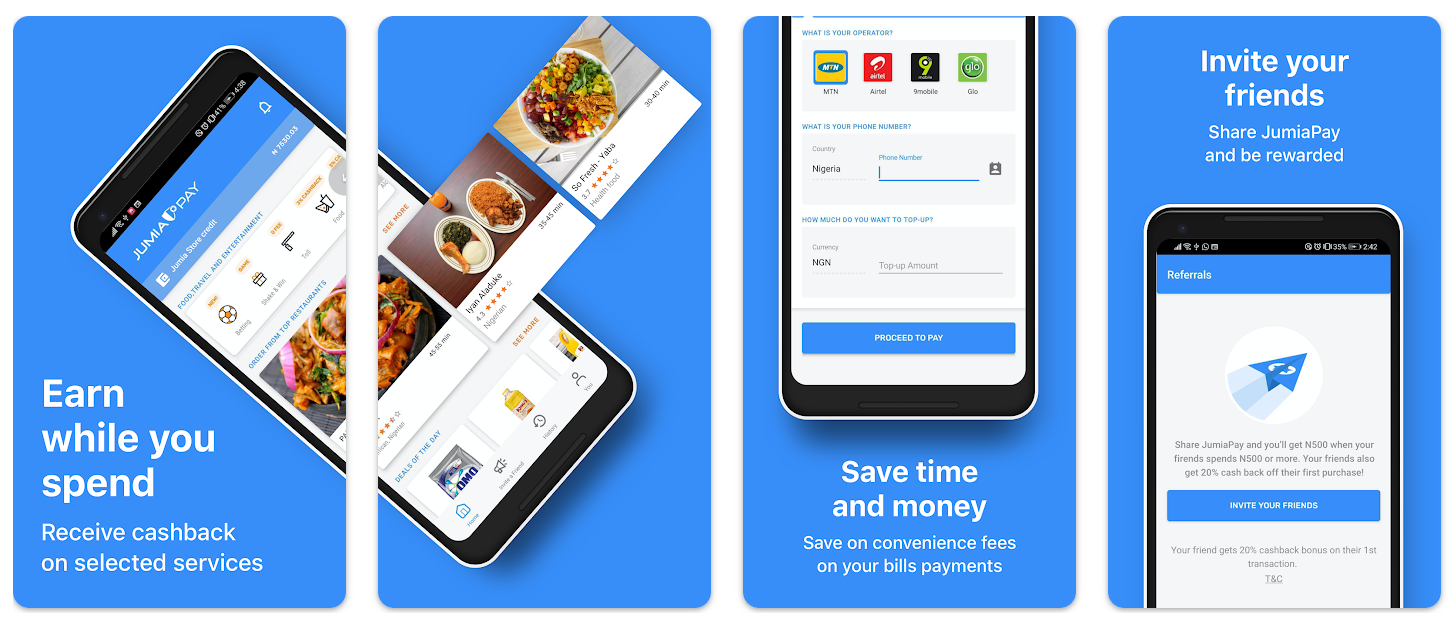
6. JumiaPay & Jumia (Pan-African)
Jumia is Africa's largest e-commerce platform, operating across more than 10 countries including Nigeria, Egypt, Kenya, Morocco, and Ivory Coast. JumiaPay layers cashback and rewards onto purchases made through the platform and its payment arm.
Why it works: Jumia's strength is scale across fragmented markets. By rewarding payment-app usage with cashback, it nudges customers toward digital wallets in regions still transitioning from cash, while building a unified loyalty layer that travels across borders, something few African operators can credibly claim.
7. Carrefour MyCLUB (Egypt & North Africa)
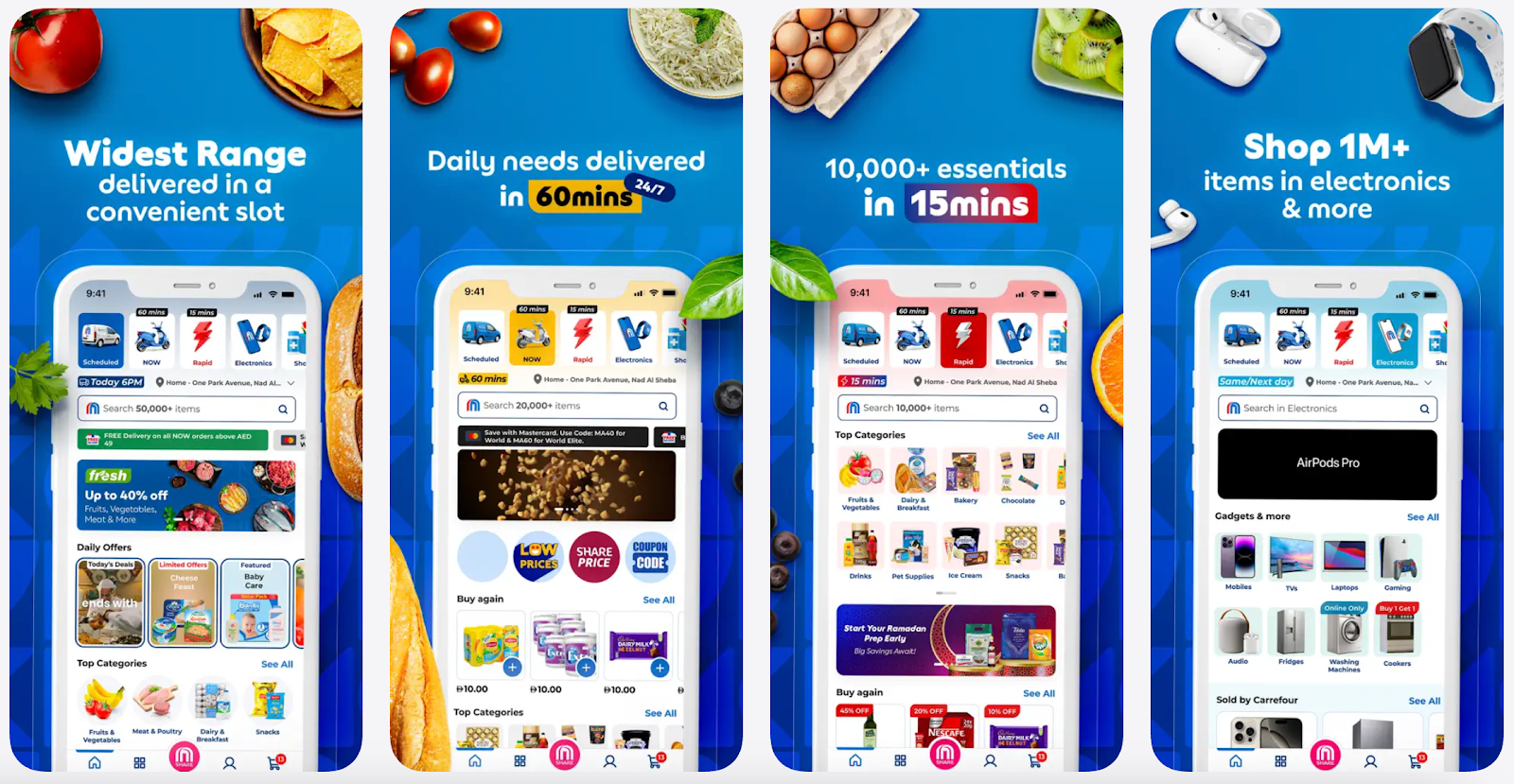
Operated by Majid Al Futtaim, Carrefour MyCLUB is the dominant retail loyalty program across Egypt, Morocco, and parts of the broader MENA region. Members earn "SHARE" points on Carrefour purchases and redeem them across a wide coalition of partner brands.
Why it works: MyCLUB stands out because of its coalition structure in a market where coalitions are still rare. Points earned on weekly groceries can be redeemed for fashion, dining, or experiences, turning a routine shop into entry to a much broader rewards ecosystem and giving Carrefour a clear edge over standalone competitors.
8. Clicks ClubCard (South Africa)
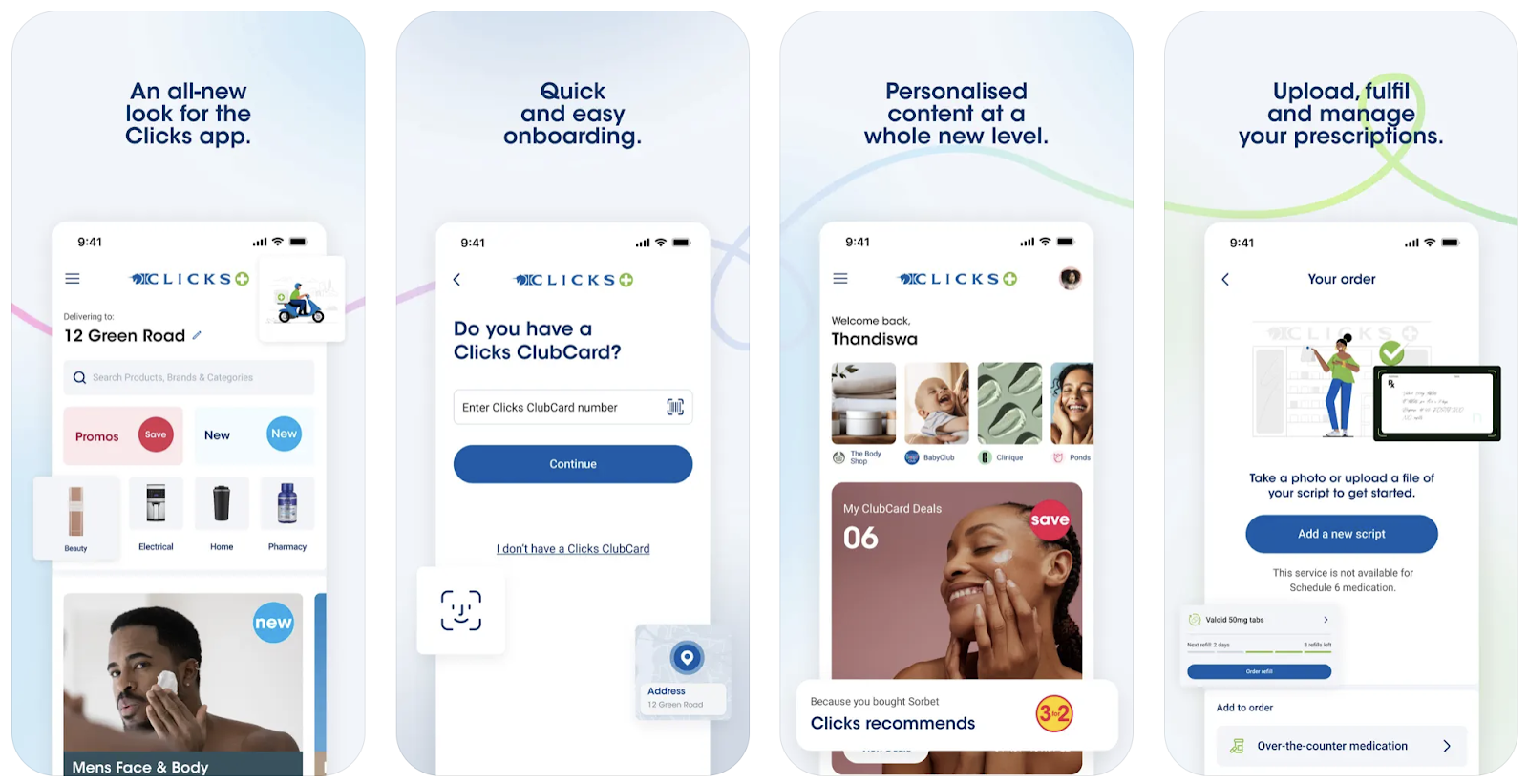
Clicks ClubCard is South Africa's most-loved loyalty program, with over 80% adoption among economically active consumers. Members earn cashback vouchers redeemable in-store at Clicks pharmacies and across partner brands.
Why it works: ClubCard's blend of points accumulation plus instant value is arguably the model most likely to win in an inflation-conscious market. Customers can choose to spend cashback on everyday essentials or save up for bigger purchases.
What brands can learn from Africa
Africa offers a clear lesson for brands building loyalty anywhere in the world: the future is mobile, instant, and integrated, and you don't need decades of legacy infrastructure to get there.
The most successful programs on the continent share a few common traits:
- Rewards are earned and redeemed within the same channel customers already use daily, typically a phone.
- Value is immediate, not deferred.
- Loyalty sits on top of payment, telecom, or retail rails that drive high-frequency interaction.
- Brands lean on first-party data to personalise rather than discount indiscriminately.
For brands in mature markets, Africa is a useful reminder that loyalty doesn't have to mean plastic cards and quarterly statements. For brands building in Africa or other emerging markets, it's a roadmap.
Conclusion
What sets Africa apart is its leapfrog quality. Without the legacy of card-based, points-heavy schemes, loyalty here has gone straight to mobile, cashback, and ecosystem-driven engagement, often integrated directly into the payment rails consumers already use every day.
As economic pressure pushes consumers everywhere toward immediate, tangible value, and as mobile becomes the dominant loyalty channel globally, the African model is becoming less of an outlier and more of a blueprint.
For brands looking to modernise their approach, whether in Lagos, London, or São Paulo, the lessons are the same: make loyalty mobile, make it instant, and make it part of the journey, not an add-on to it.
Get in touch with our loyalty experts today!
Recommended Posts
If you enjoyed this article, check out these relevant posts below.
Share this Article

Sara Rabolini
Senior Content Marketing Executive
Sara is our Senior Content Marketing Executive. She shares engaging and informative content, helping businesses stay up-to-date with the latest trends and best practices in loyalty.