Sports Loyalty Programs: Reward Fan Engagement and Drive Revenue
Today’s sports fans expect experiences that excite, recognition that validates their loyalty, and a sense of community that connects them with their team and fellow supporters.
But beyond fan satisfaction, sports loyalty programs are increasingly recognized as a direct revenue recovery tool. Empty seats, low matchday concession conversion, unused season tickets, and siloed fan data all represent revenue that organizations are leaving on the table every event.
A well-structured loyalty program addresses each of these leaks systematically, turning passive supporters into active, spending advocates.
Download our free guide to get all the exclusive tips & tricks on how to run a great sports loyalty program!
Want to get all the exclusive content? Download this guide in PDF for later!
What are sports loyalty programs?
Sports loyalty programs are designed to reward fans and athletes for engagement, purchases, and participation while fostering a sense of belonging and community.
Unlike traditional retail loyalty programs that focus mainly on discounts, sports loyalty initiatives focus on identity, experiences, and emotional connection.
Today’s sports fans buy into a lifestyle, a team, or a mindset. From running enthusiasts tracking personal milestones to football fans attending stadium events, fan loyalty is about connecting with passion and purpose.
At White Label Loyalty, we specialize in creating data-driven, omnichannel loyalty solutions that help sports brands build long-lasting fan relationships.
Challenges in sports loyalty and customer retention
While sports loyalty programs offer immense potential, brands face several unique challenges in retaining fans and keeping them engaged long-term. Understanding these obstacles is essential for building effective, sustainable loyalty strategies.
1. High expectations for personalization
Fans today expect experiences tailored to their identity, preferences, and past behavior. A generic rewards program risks being ignored or undervalued. Sports brands need data-driven insights to deliver personalized offers, exclusive content, and relevant experiences at the right time.
2. Engagement beyond the transaction
Unlike retail, sports engagement isn’t just about purchases. Fans want ongoing interaction, whether that’s attending games, joining challenges, or interacting on social media. Programs that focus only on purchases may see low retention and limited fan loyalty.
3. Seasonal and event-driven participation
Sports fandom is often tied to seasons, tournaments, and events. Maintaining engagement during the off-season or between games is a persistent challenge. Loyalty programs must bridge these gaps with online experiences, gamified challenges, and year-round content.
4. No-shows and empty seat revenue loss
Season ticket holders who don't attend don't just leave seats empty - they leave concession stands quiet and merchandise racks untouched. Attendance streak mechanics, where fans earn escalating rewards for consecutive event attendance, create a simple behavioral incentive that keeps fans showing up.
5. Unofficial ticket resale and lost transaction revenue
Fans who can't attend and have no official transfer route default to secondary markets, taking the transaction completely outside the organization's ecosystem. A loyalty-integrated transfer system rewards the original holder for releasing their seat officially and the new buyer for attending, keeping revenue where it belongs.
6. Low matchday spend conversion
Attending fans who skip concessions and merchandise represent money already in the building that never gets spent. A points-per-spend model integrated with venue POS systems turns every purchase into a loyalty interaction, giving fans a reason to buy and organizations a measurable uplift in average transaction value.
7. Compressed arrival windows and lost pre-event spend
When most fans arrive in the final 30 minutes, purchase windows collapse and queues kill the experience. Time-based entry bonuses - extra points for arriving early - spread the arrival curve, reduce bottlenecks, and open up a longer window for pre-event spending.
8. Balancing exclusivity and accessibility
Fans crave VIP perks, behind-the-scenes access, and early product drops, but making programs too exclusive can alienate casual supporters. Striking the right balance between rewarding loyalty and keeping programs accessible is key.
9. Technology adoption and integration
Modern sports loyalty programs rely on mobile apps, QR Codes, gamification, and sometimes blockchain or NFTs. Ensuring smooth integration across channels, apps, and physical venues can be complex. Additionally, some fans may resist adopting new technology, creating gaps in engagement.
10. Measuring ROI and engagement
Tracking the effectiveness of loyalty initiatives is challenging. Brands must capture data across multiple touchpoints (ticket sales, merchandise, app interactions, social media) to understand what drives real engagement and fan retention.
How technology is shaping fan loyalty
Modern sports loyalty programs rely heavily on technology to enhance fan engagement, reward participation, and create seamless, personalized experiences. By integrating digital tools with physical interactions, sports brands can turn casual supporters into lifelong advocates.
Key technology enablers include:
- Mobile apps: These serve as central hubs for loyalty rewards, achievement tracking, exclusive content, and community engagement. Programs like Nike Run Club and Royalty Pass for the Sacramento Kings allow fans to monitor progress, participate in challenges, and access member-only offers, all from a single app.
- QR Codes: QR Codes provide instant access to loyalty sign-ups, event perks, or merchandise offers, bridging the gap between in-person experiences and digital rewards. For example, fans at a marathon or stadium event can scan a code to unlock badges, exclusive content, or VIP experiences.
- Push notifications: Timely updates help maintain engagement, reminding fans of upcoming games, limited-time offers, new challenges, or content drops. These notifications create a sense of connection, keeping the brand top-of-mind even between events or seasons.
- Blockchain & NFTs: Emerging technologies like fan tokens and NFT collectibles provide secure, unique, and tradable digital assets that reward loyalty and encourage social sharing. Platforms like Socios and NBA Top Shot leverage these tools to create identity-driven, collectible experiences that resonate deeply with fans.
- Data analytics: Behind the scenes, data drives personalization and long-term loyalty. Brands can track behavioral signals, demographic information, and fan preferences across multiple touchpoints. For instance, a fan scanning a QR Code at a stadium might unlock content specifically tailored to their favorite player, upcoming matches, or past engagement history. This level of personalization boosts fan satisfaction, drives repeat engagement, and strengthens emotional loyalty.
With technology, sports loyalty programs are about creating an immersive, omnichannel experience that reflects a fan’s journey, interests, and passion.
By combining apps, QR Codes, push notifications, and data insights, brands can deliver real-time, personalized interactions that build stronger connections and long-term engagement.
How WLL helps sports brands build loyalty
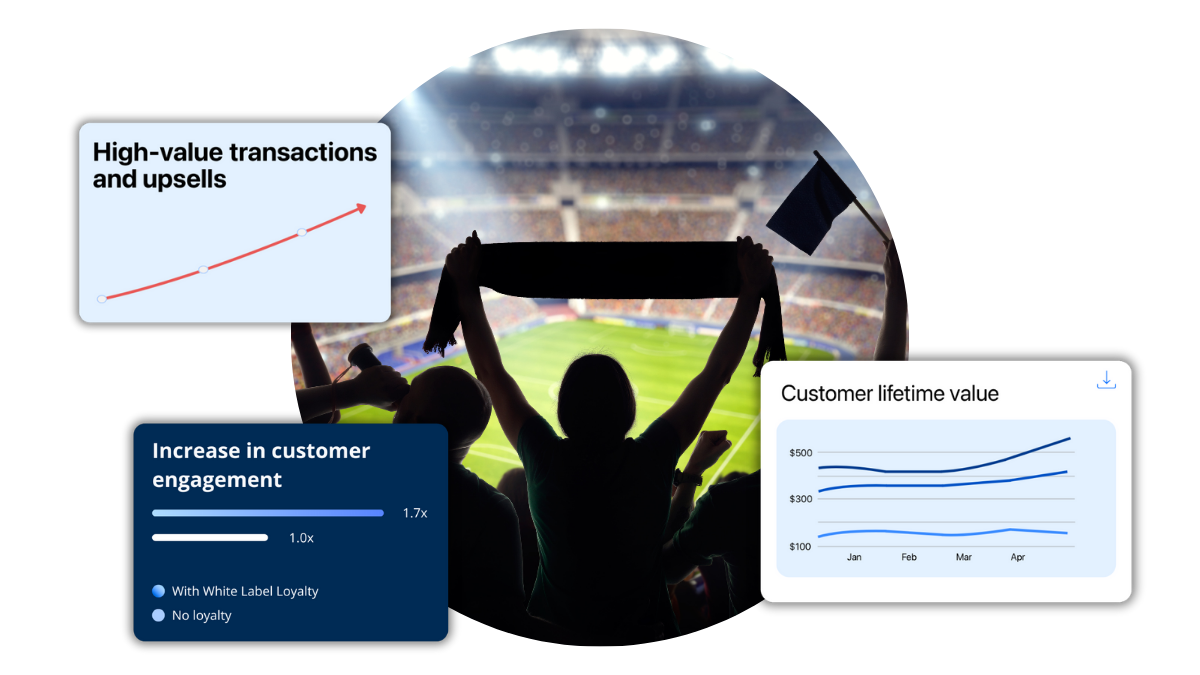
White Label Loyalty provides a powerful, event-based, and data-driven loyalty engine specifically designed for sports organizations looking to deepen fan engagement, drive revenue, and strengthen community connections.
By combining technology, personalization, and gamification, WLL helps sports brands transform casual supporters into passionate, lifelong fans. Key capabilities include:
- Omnichannel engagement: WLL enables brands to reward fans across every touchpoint: online, in-store, or at live events. Whether it’s scanning a QR Code at a stadium, redeeming points in a mobile app, or unlocking perks via social media, you should ensure a seamless, consistent experience across all channels.
- Gamification and challenges: Fans are motivated by achievement, recognition, and competition. The right gamification features include challenges, achievements, badges, and leaderboards, turning everyday engagement into a fun, interactive experience. Fans can track progress, compete with peers, and unlock rewards tied to their favorite teams or athletes.
- Data-driven insights: WLL collects and analyzes behavioral, demographic, and preference data, giving sports brands actionable insights into fan engagement. By understanding what drives loyalty, teams can optimize campaigns, personalize rewards, and deliver experiences that resonate with each individual supporter.
- Flexible reward systems: From digital badges and exclusive content to VIP experiences, event access, and merchandise, WLL allows sports brands to tailor rewards to fan interests and engagement levels. This flexibility ensures that loyalty programs feel meaningful, relevant, and identity-driven.
- Scalable and adaptable: WLL’s platform grows with your fanbase and adapts to different sports, events, and campaigns. Whether supporting a local club or a global franchise, WLL helps teams engage fans year-round, maintain excitement during off-seasons, and create lasting brand loyalty.
With the right tech, sports brands can increase fan retention, boost revenue, and foster a thriving community, all while collecting rich engagement data that informs future strategies.
In a landscape where fans demand more than discounts, loyalty provides the tools to deliver loyalty programs that truly resonate.
Best loyalty programs in the sports industry
The most successful loyalty programs go beyond transactional rewards, offering immersive, gamified, and community-driven experiences.
They combine digital tools like mobile apps, QR Codes, and NFTs with physical interactions at events, merchandising, and stadiums. Some standout programs demonstrate the diversity and creativity of modern sports loyalty.
Quick overview table
Program | Type | Key feature | Why it works |
| Socios | Blockchain / Fan Tokens | Vote on team decisions, trade digital tokens | Identity-driven, collectible, engages community |
| NBA Sacramento Kings – Royalty Pass | Mobile / Gamified | Arena QR code challenges | Blends physical and digital engagement |
| NBA Top Shot | NFT Collectibles | Tradeable Moments™ | Gamified, social, collectible digital experience |
| U.S. Soccer Insiders | Tiered Membership | Presale tickets & VIP events | Tiered rewards motivate engagement |
| Minnesota Gophers - Gopher Loyalty | Experience-Based | Personalized rewards, VIP access | Emotional connection through experiences |
| F1 The Paddock | Digital & Physical | Points redeemable for VIP experiences | Omnichannel engagement year-round |
1. Socios
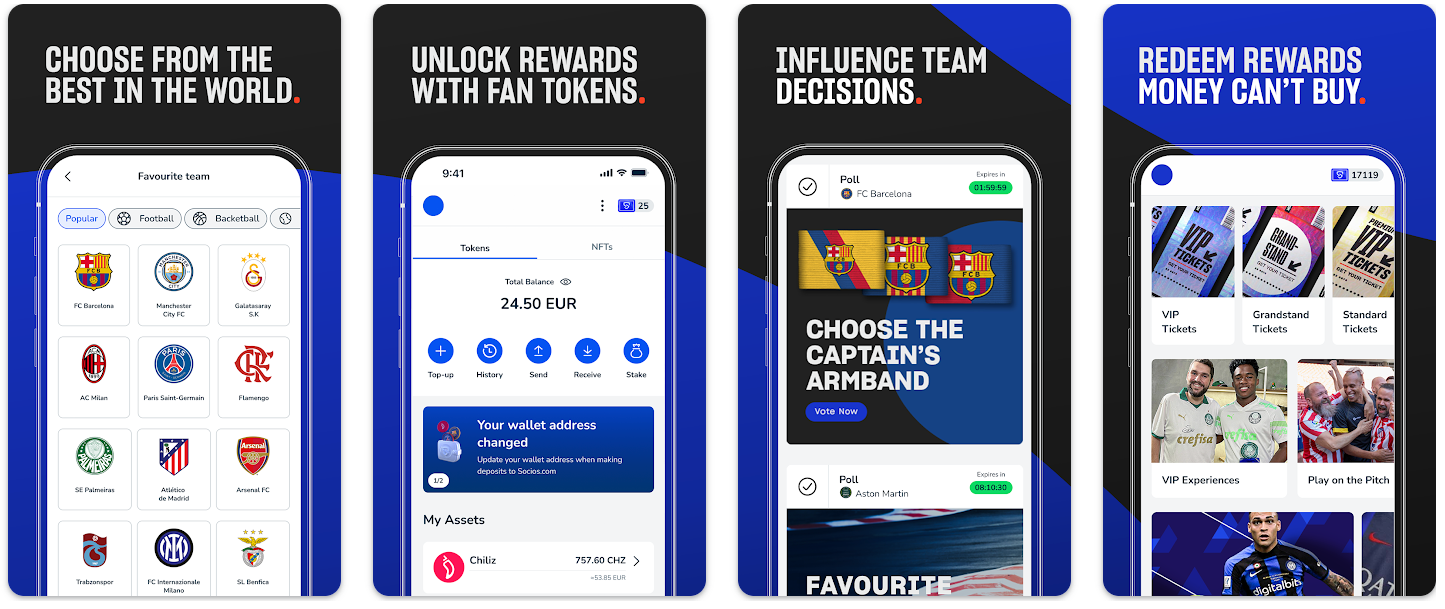
Socios is a blockchain-based fan loyalty platform that allows users to buy fan tokens and influence decisions within their favorite sports clubs.
Fans can participate in polls, unlock special rewards, and trade digital assets in a secure marketplace. With access to VIP experiences, merchandise, and exclusive badges, it merges fan engagement with digital collectibles.
Why it works: Fans feel empowered and part of the club, turning loyalty into identity-driven engagement.
2. NBA Sacramento Kings – Royalty Pass
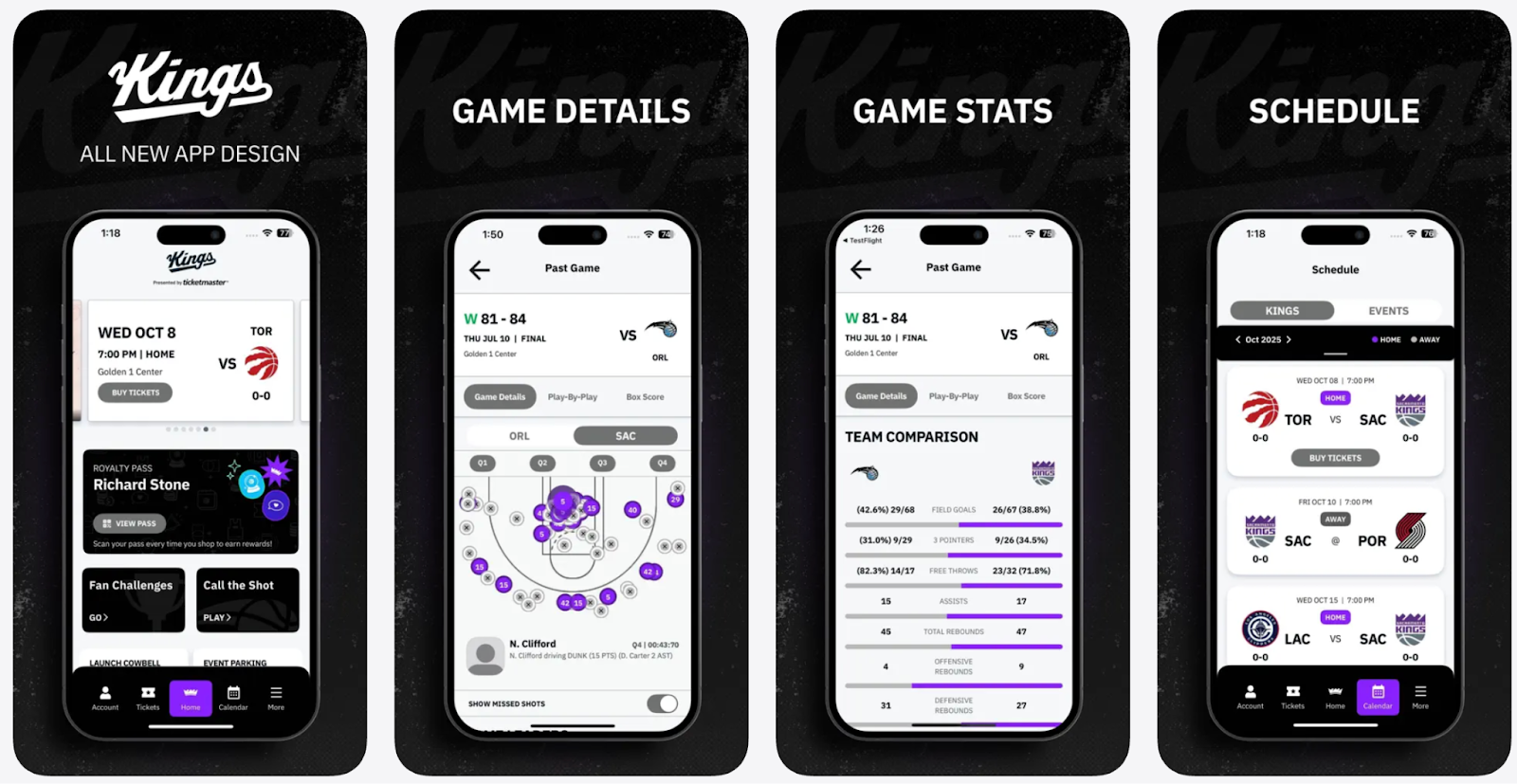
One of the best sports loyalty programs, the Royalty Pass is a mobile app program that gamifies fan participation through QR codes scanned at the arena.
Users can track their achievements, complete challenges, and unlock rewards ranging from discounts to exclusive benefits and special events. The app integrates with Apple and Google Wallet for seamless access to rewards.
Why it works: Combines physical and digital touchpoints, keeping fans engaged both at games and online.
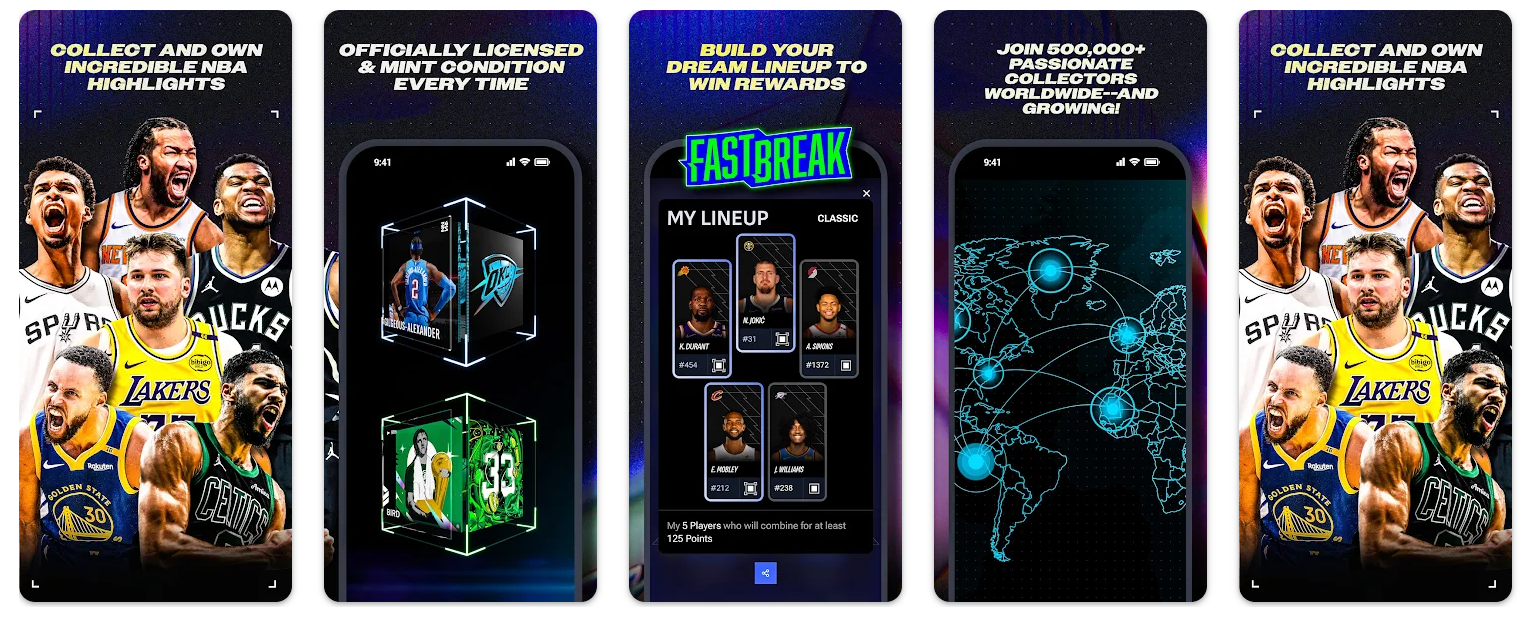
3. NBA Top Shot
Top Shot offers NFT-based digital collectibles of key NBA moments, which fans can buy, sell, or trade in a gamified marketplace.
Each Moment™ is uniquely tokenized, creating scarcity and value for collectors. Fans can show off their collections online and participate in challenges for additional rewards.
Why it works: Provides highly collectible, social, and gamified digital experiences that deepen fan engagement.
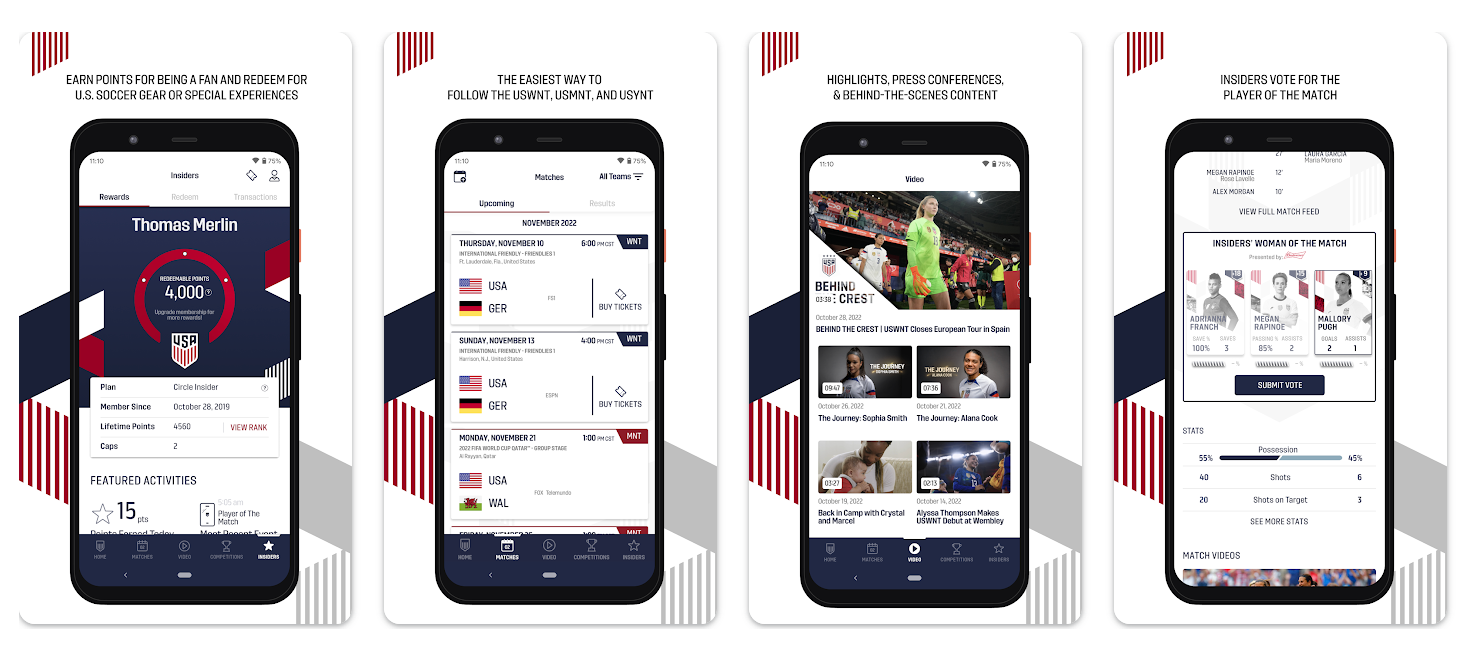
4. U.S. Soccer Insiders
Insiders is a tiered loyalty program offering presale tickets, exclusive events, and VIP perks.
Membership levels range from free to premium, each providing different benefits like lounge access, concierge services, and event invitations. Fans can vote for the player of the month or participate in exclusive content.
Why it works: Tiered rewards and exclusivity motivate loyal fans to engage and upgrade membership.
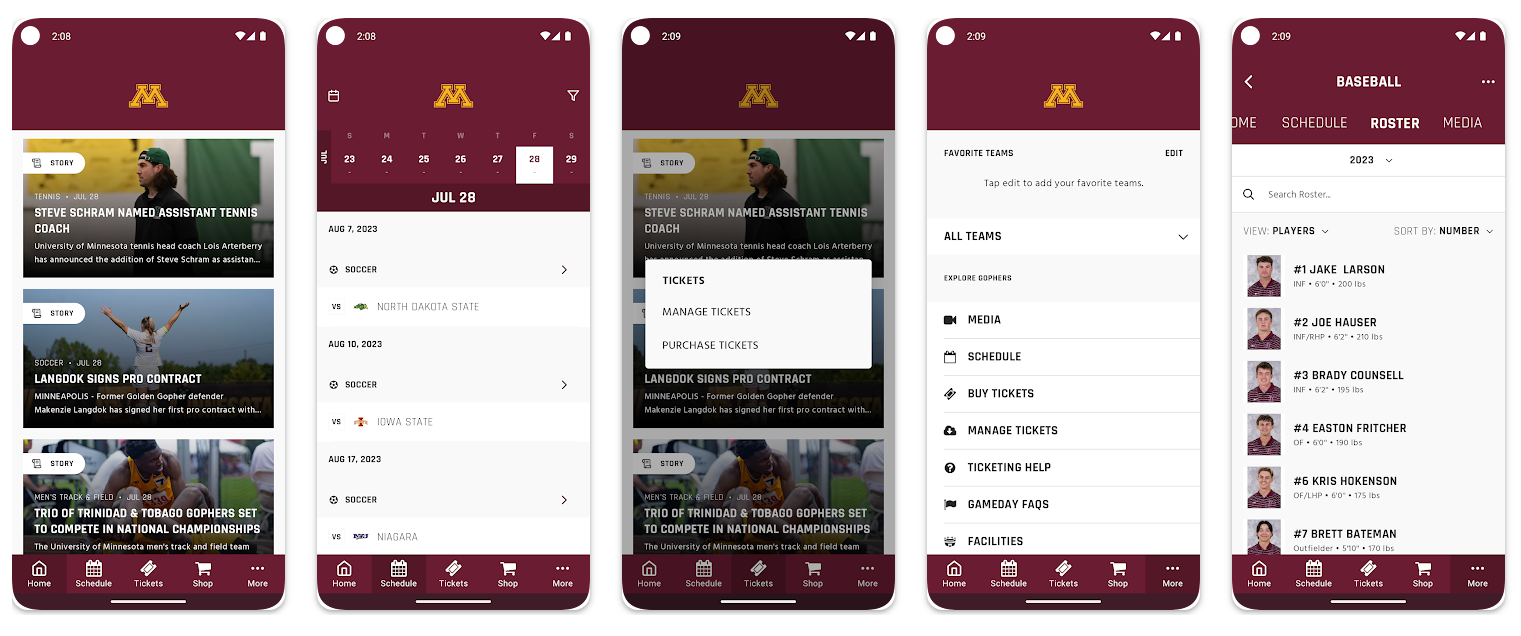
5. Minnesota Gophers – Gopher Loyalty Program
This experience-driven program targets season ticket holders and donors, offering personalized rewards like VIP interactions and behind-the-scenes access.
Benefits are tiered, with higher support unlocking premium experiences such as stadium tours or photos with team mascots. The program encourages participation across multiple events.
Why it works: Personalized experiences create stronger emotional connections and fan loyalty.
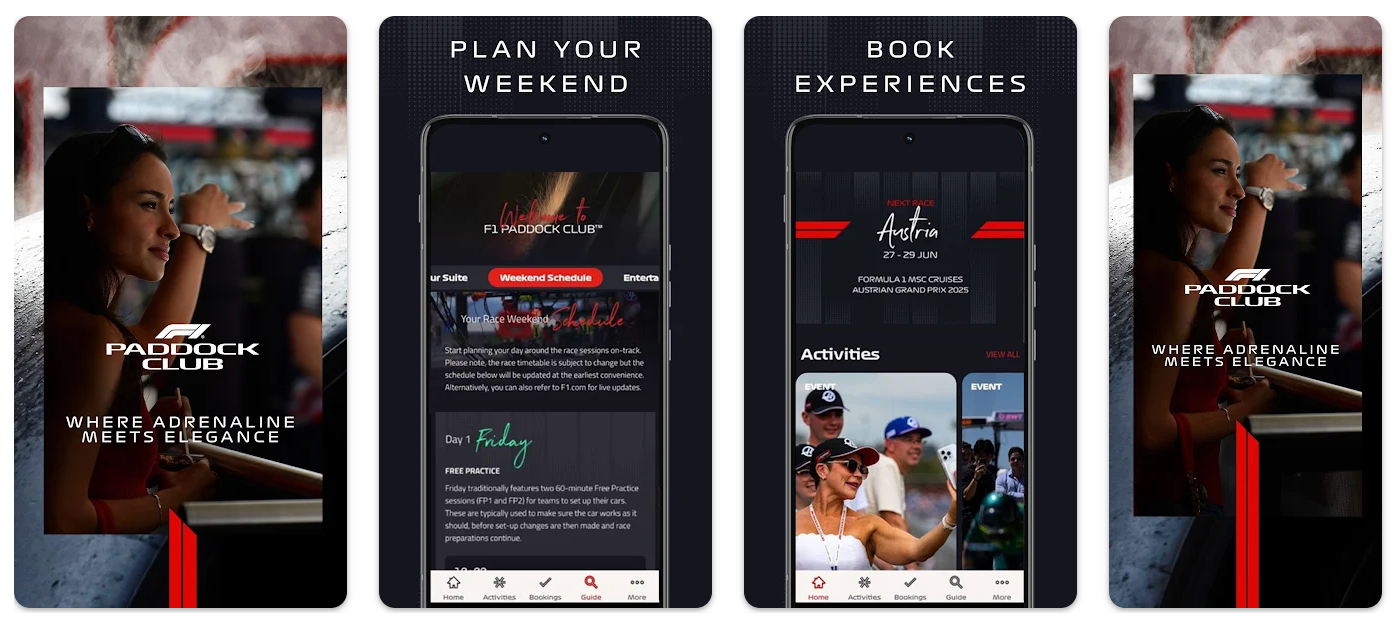
6. F1 The Paddock
The Paddock rewards loyalty program members for both physical and digital interactions with points redeemable for VIP experiences, merchandise, and exclusive content.
Fans earn points by reading interviews, watching highlights, or attending events. The program has grown rapidly since launch, with strong international adoption.
Why it works: Maintains year-round engagement through omnichannel participation and exclusive rewards.
Conclusion
The most successful programs leverage technology, gamification, and data-driven personalization to engage loyal fans across digital and physical touchpoints, from mobile apps and QR Codes to NFTs and live events.
Sports brands using WLL’s event-based, omnichannel loyalty engine can design programs that reward engagement, foster long-term relationships, and provide valuable insights into fan behavior.
By combining identity-driven rewards, exclusive experiences, and actionable data, brands can turn casual supporters into lifelong advocates and build thriving, connected fan communities.
The key takeaway: in sports loyalty, purpose, personalization, and community drive lasting engagement, making every fan feel seen, valued, and part of the journey.
Frequently Asked Questions (FAQs)
Recommended Posts
If you enjoyed this article, check out these relevant posts below.
Share this Article

Sara Rabolini
Content Marketing Executive
Sara is our Content Marketing Executive. She shares engaging and informative content, helping businesses stay up-to-date with the latest trends and best practices in loyalty...